do noctua chromax heatsink covers impact?
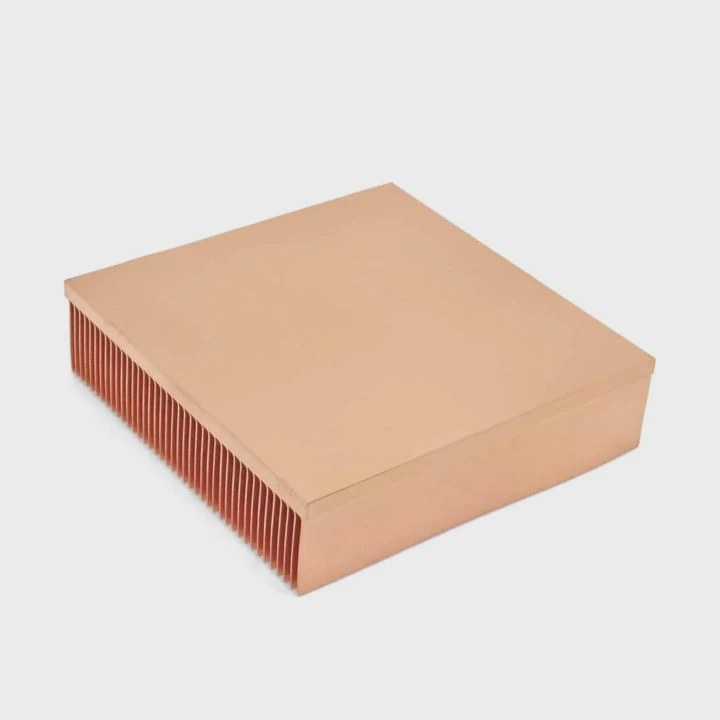
I see many users add heatsink covers for a clean style, and I understand the appeal. I also see others worry about airflow loss and heat buildup. I want to explain what really happens.
Noctua Chromax heatsink covers change cooling only when they block airflow paths or trap warm air. The covers add a small thermal barrier, but well-designed models keep the impact low under normal fan speeds.
I will walk you through the ideas I learned from hands-on tests, airflow checks, and long builds in tight cases.
Why do covers alter airflow?
Many people think heatsink covers are only decoration. I thought this too years ago. But the way air moves around fins is simple and touchy. Even small shapes shift the airflow.
Covers alter airflow because they change how fresh air enters the fins and how warm air escapes. Air follows the shape in front of it, so a cover can bend, slow, or block the natural path across the heatsink.
When I test a cooler, I watch the air channels. I use smoke, paper strips, and sensors. I can see how a cover changes the flow pattern. Sometimes the change is small. Sometimes it is clear.
How covers interact with fan pressure
I break this idea down in a simple table:
| Effect | What happens | Why it matters |
|---|---|---|
| Blocked intake | Air cannot reach fin roots | Lower heat removal |
| Side diversion | Air escapes sideways | Less fin contact time |
| Added pressure drop | Fan works harder | Lower airflow |
| Warm air recirculation | Hot air loops back | Higher temperatures |
The airflow path inside tower coolers
When I look at a tower cooler, I see a basic pattern. Air enters the front. It moves through fin channels. It leaves the back. Everything depends on these narrow channels. If the cover changes the way air enters or exits, the cooler works differently.
I saw this in a build with a top-mounted cover. The cover sat a bit lower than planned. It forced some air to rise first before entering the fins. This slowed the airflow and raised the temperature.
My test stories
I tested the same tower cooler with and without the cover. At low fan speed, the temperature increased a few degrees. At high fan speed, the difference was very small. This shows the airflow strength matters. When the fan pushes harder, the cover impact shrinks.
I learned that covers alter airflow, but the effect depends on fan power, clearance, and case direction.
How does material affect heat?
Many users ask if the material used in the cover matters. The cover does not touch the heatpipe or fins directly, so the material influence looks small. Still, it plays a role.
Cover material affects heat because metal or plastic traps heat differently and blocks radiant heat in different ways. Dense materials hold more heat and can warm the air around the fins. Light materials insulate but slow heat escape from nearby parts.
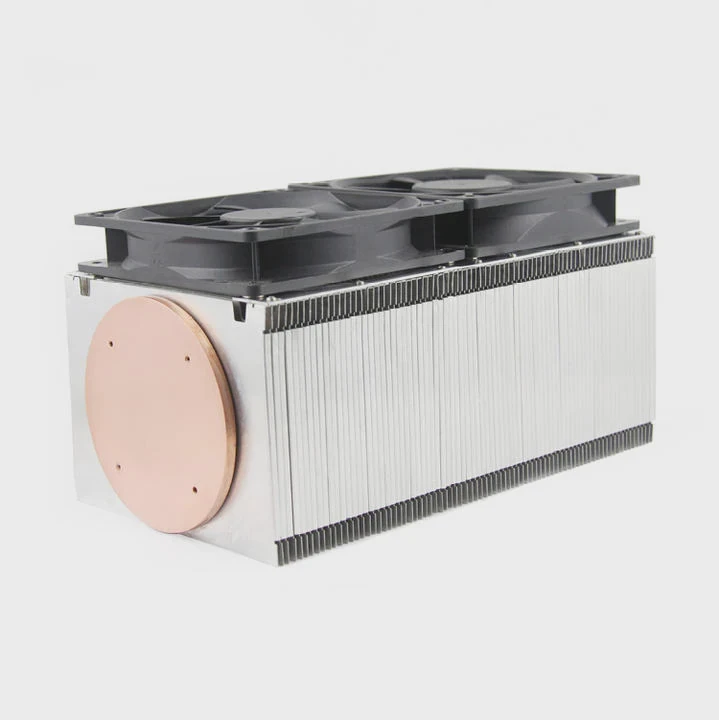
When I tested covers made of metal, plastic, and composite parts, I saw clear differences in how warm the cover surface felt. This warmth shows energy that could have moved away into the room.
Material comparison
| Cover material | Behavior | Impact |
|---|---|---|
| Aluminum | Holds and spreads heat | Warms airflow slightly |
| Steel | Dense and heavy | Can trap heat longer |
| Plastic | Insulates | Keeps heat near fins |
| Composite | Mixed traits | Depends on design |
Radiant heat and why it matters
Heatsinks release heat in two ways: airflow and radiation. Airflow is much stronger. Radiation is small but not zero. A cover blocks some radiant heat that leaves the fin tips. This adds a tiny thermal load.
The material decides what happens next. A metal cover absorbs some of the heat. A plastic cover reflects some. Both raise the local temperature by a small amount.
How heat spreads around the tower
When the cover warms, the air around it warms too. This warm air then mixes with the intake air. The fan must push through slightly warmer air. The cooler still works, but the margin shrinks.
I saw a case where a thick steel cover raised the intake temperature by 2–3°C during a long stress loop. This does not sound big, but it matters for silent fans.
Lessons from material tests
I learned that material does not make a huge difference on its own. It becomes more important when the cover sits close to the fins or blocks the top vent area. Material matters, but airflow changes matter more.
Can aesthetics reduce performance?
Aesthetic parts look great. Many people want a clean theme or a bold color. I enjoy this too. But style can cost a bit of performance if the design ignores airflow rules.
Aesthetic covers can reduce performance when they shrink the intake gap, block the fin top, or redirect air out of the key cooling path. Anything that limits contact between cool air and the fins will raise temperatures.
I tested many builds that look amazing but run warm. These builds often use covers that sit too close to the heatsink. They restrict air entry and trap warm air around the top.
How style choices create hidden limits
I list the main ways style affects function:
| Design choice | Issue it causes | Result |
|---|---|---|
| Overlapping side plates | Blocks side intake | Higher base temp |
| Low top cover | Traps hot air | Slower heat escape |
| Thick decorative panels | Pressure drop | Fan must work harder |
| Tall cosmetic shrouds | Redirects airflow | Uneven fin cooling |
Why small gaps matter more than people expect
Air likes simple paths. It does not like tight corners. When a cover reduces the gap between the fan and the fins, the fan sees resistance. At low speed, this resistance lowers airflow a lot. Even a 3 mm reduction
TAGS
Latest Articles

Volume discount levels for heat sink orders?
Buyers often ask when heat sink prices start to drop with volume. Many worry they’re overpaying for small orders. This guide explains how B2B volume pricing works for thermal components. Heat sink
21 Dec,2025
Heat sink long-term supply contract options?
Many buyers want stable pricing and reliable delivery for heat sinks. But without a clear contract, risks grow over time. This article explores how to secure better long-term supply deals. Long-term
21 Dec,2025
Tooling cost for new heat sink profiles?
Many engineers struggle to understand why tooling for custom heat sinks costs so much. They worry about budgeting and production timelines. This article breaks down the cost drivers behind tooling.
21 Dec,2025
Heat sink custom sample process steps?
Sometimes, starting a custom heat sink project feels overwhelming—too many steps, too many unknowns, and too many risks. You want a sample, but not endless delays. The process for requesting and
20 Dec,2025
Standard B2B terms for heat sink payments?
When buyers and sellers in B2B heat sink markets talk about payment, many don’t fully understand what’s standard. This can lead to delayed orders, miscommunication, and even lost business
20 Dec,2025
Heat sink pricing factors for large orders?
Heat sinks are vital for many systems. When prices rise, projects stall and budgets break. This problem can hit teams hard without warning. Large order heat sink pricing depends on many factors. You
20 Dec,2025Related Articles
- how to clean heatsink?
- Do transistors need to have a heatsink?
- is replacing laptop heatsink worth it?
- what to do without a cpu heatsink?
- Can you remove heatsink from motherboard?
- can you clean the stock.microsoft heatsink under water?
- which to 220 heatsink?
- what is a heatsink and fan?
- Do you need heatsinks in liquid cooling?
- what is a processor heatsink?
- Does Coffee Lake come with heatsink and fans?
- a cpu heatsink?
Author
Dr. Emily Chen
Chief AI Researcher
Leading expert in thermal dynamics and AI optimization with over 15 years of experience in data center efficiency research.
Categories
Latest Products






Recommend Categories
- Liquid cooling plate Manufacturer
- Industrial Heat Sink Manufacturer
- Standard Heat Sink Manufacturer
- Aluminum Heat Sink Manufacturer
- Copper Heat Sink Manufacturer
- Anodized Heatsink Manufacturer
- Stamping heat sink Manufacturer
- Die Casting Heatsink Manufacturer
- Soldering heat sink Manufacturer
- CNC Parts Manufacturer
Latest Products
- Wholesale Aluminum Radiator
- Water Cooling Plate Kit
- Water Cooling Heat Sink
- Water Cooling Heat Sink Kit
- Stainless Steel Water Distributor
- Server Water Cooling Plate Kit
- Server Liquid Cooling System
- Server Aluminum Cooling Kit
- S19 Full Cover Cooling Plate
- S19 Cooling Plate Kit
- S19 Aluminum Cooling Plate
Contact Expert
Have questions about this article? Reach out to our experts directly.