Do transistors need to have a heatsink?
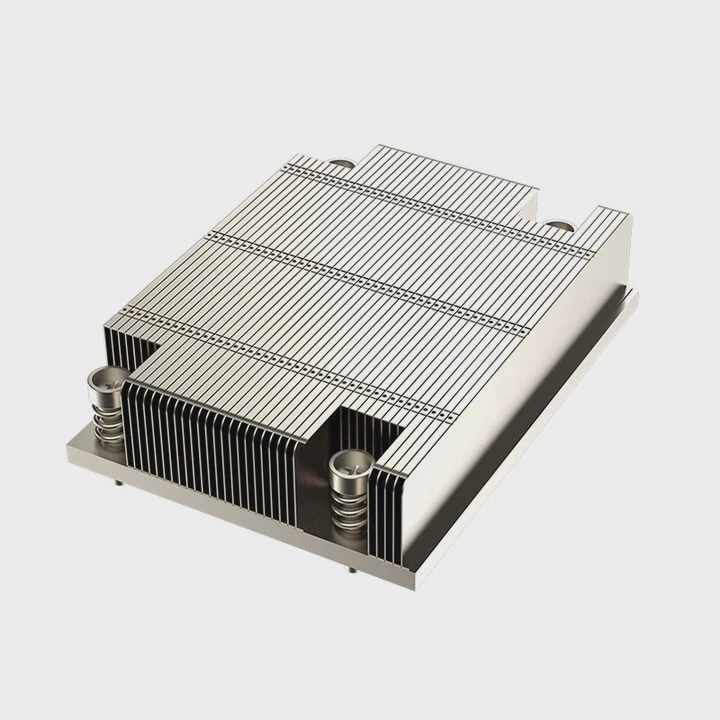
I still remember burning my fingertip on a small transistor during my first power-supply build, and that moment taught me why heat matters in even the smallest devices.
Transistors need heatsinks when their power dissipation makes them run hotter than safe operating limits, and a sink helps move heat away so the device can deliver stable current and voltage.
I will explain why power parts create heat, which packages run hottest, where sinks should go, and how overheating shortens component life.
Why do power parts generate heat?
I learned this lesson while building a DC motor driver. The transistors stayed cool at first, but once the motor pulled real load, heat rose fast.
Power parts generate heat because they drop voltage while carrying current, and this voltage-current product becomes heat that the device must release to avoid damage.
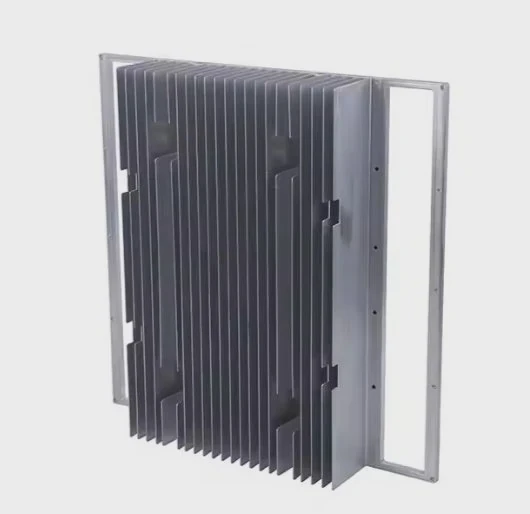
When I look closely at how a transistor works, I see that every part inside has resistance. Current flows through these regions. Even small resistance creates heat. Under load, the heat climbs fast. I once watched a transistor reach unsafe temperature in seconds because the motor stalled, and the collector-emitter drop multiplied the current spike.
H3: How power loss turns into heat
Every transistor dissipates power using the simple rule:
Power = Voltage Drop × Current
If the drop is large and the current is high, heat builds fast. In switching circuits, the device may also heat during transition moments.
H3: Why heat rises in analog circuits
Linear regulators, audio amps, and motor drivers often keep part of the transistor in an active region. This region creates steady power loss. That loss becomes continuous heat.
Table: Common reasons transistors heat up
| Cause | Effect | Result |
|---|---|---|
| High current | Strong power loss | Fast temperature rise |
| High voltage drop | Larger heat load | Higher stress |
| Linear operation | Steady dissipation | Needs heatsink |
| Stall or overload | Surge current | Possible failure |
H3: Why switching helps but does not remove heat
Switching devices run cooler because they stay on or off most of the time. But they still heat during switching moments. I once watched a MOSFET heat more in switching mode because of long rise times caused by a poor gate driver.
Which transistor packages run hottest?
My first impression was that only small parts run hot, but later I found that many large packages run even hotter because they handle higher loads.
Small packages without metal tabs run hottest, while high-power packages like TO-220 or TO-247 run cooler when mounted correctly, though they still need heatsinks under heavy load.
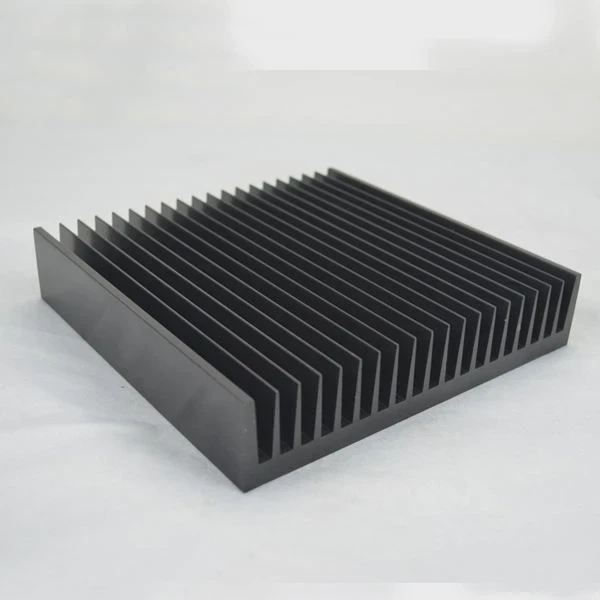
When I compare packages, I see that surface-mount parts heat fast because they have small pads. Through-hole power packages can spread heat better, but only when they mount onto proper heatsinks.
H3: Why small packages heat fast
Small transistors have small junction areas. Less area means less heat spreading. Even low current can push their temperature high.
H3: Why packages with metal tabs run cooler
TO-220 and similar packages have a metal back. This metal spreads heat. It also lets you bolt the transistor onto a heatsink. I saw a TO-220 survive heavy loads with a medium sink, while a small SOT-223 reached thermal limit under the same load.
Table: Package heat behavior overview
| Package | Heat Handling | Notes |
|---|---|---|
| SOT-23 | Very low | Heats fast |
| SOT-223 | Low-medium | Needs copper area |
| TO-92 | Low | Not for high load |
| TO-220 | High | Works with sinks |
| TO-247 | Very high | For heavy power |
H3: Why PCB copper area matters
Even small packages can run cooler if the PCB has enough copper. Large copper spreads heat. But for higher loads, copper alone is not enough. That is why high-power stages use external sinks.
Where should sinks be mounted?
I once mounted a heatsink poorly, and the transistor ran hot even though the sink looked large. Later I learned that contact area and alignment matter more than size alone.
Heatsinks should be mounted directly onto the transistor’s metal tab or heat pad through a flat contact surface, using thermal paste and proper insulation when required.
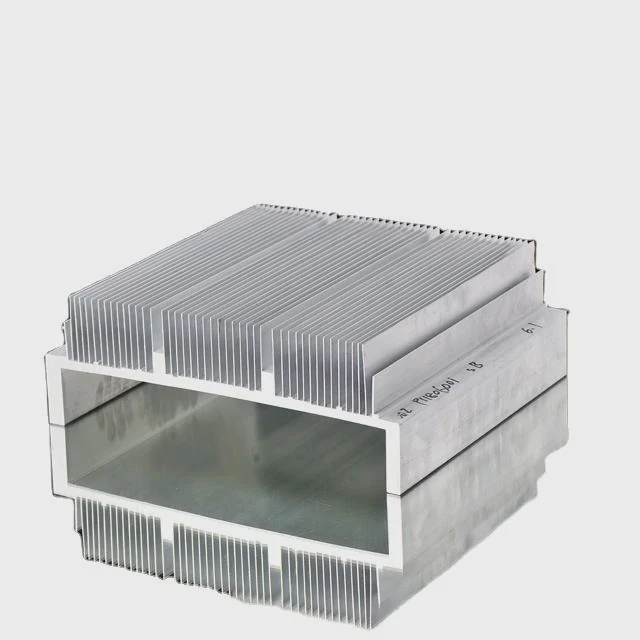
When I look at how sinks attach, I see two main styles: tab-mounted and PCB-mounted. Both work, but only if the contact is stable and flat.
H3: How to mount on TO-220 style packages
A screw, a clamp, or a clip presses the tab against the sink. A thermal pad or thin paste fills tiny air gaps. Without this material, contact is weak and heat stays trapped.
H3: How sinks mount on surface-mount parts
Some SMD parts use a heatsink plate soldered onto a copper area. Others use add-on sinks that clip onto the top. These sinks need firm pressure to work.
Table: Mounting styles and uses
| Mount Type | Use Case | Notes |
|---|---|---|
| Screw-mounted | TO-220, TO-247 | Requires washer/insulator |
| Clip-mounted | Medium power | Even pressure |
| PCB copper sink | SMD parts | Needs large copper area |
| External plate | High load | Often used in power supplies |
H3: Why alignment matters
If the transistor does not sit flat, heat moves poorly. Even a tiny angle reduces contact. I once fixed a heat issue simply by re-aligning the regulator so the tab touched the sink evenly.
Can overheat shorten component life?
I once pushed a transistor close to its limit during a long test. It worked fine for a week, then failed even under normal load. That failure taught me how slow heat damage builds over time.
Overheating shortens component life by stressing the silicon junction, damaging bonds inside the package, and accelerating thermal fatigue that weakens internal connections.
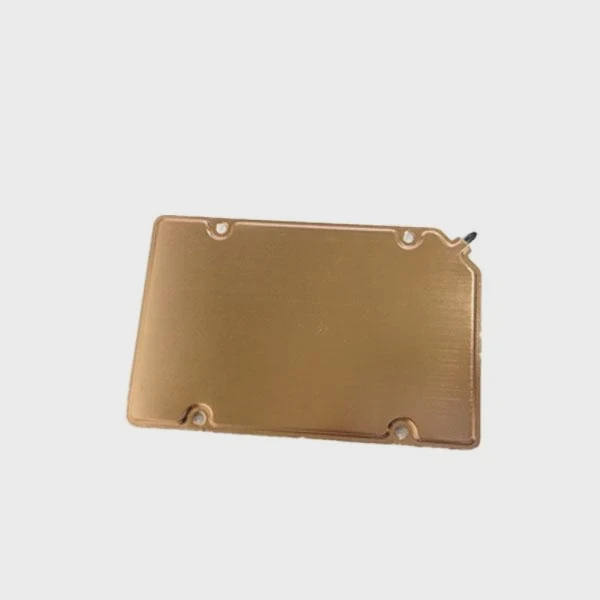
When I look at long-term heat stress, I see that even if a transistor survives the heat today, the damage stays inside. Each thermal cycle weakens tiny wires and solder joints.
H3: How excess heat damages the junction
The silicon inside a transistor has a temperature limit. When the device runs near this limit, the microscopic structures degrade. This degradation changes the transistor’s behavior.
H3: Why thermal cycling causes cracks
Each time the device heats and cools, materials expand and contract. Over many cycles, these movements cause cracks. These cracks reduce reliability. I once found a transistor with a cracked bond wire after months of repeated overheating.
Table: Overheat effects on lifespan
| Heat Level | Long-Term Effect | Risk |
|---|---|---|
| Mild | Slow aging | Reduced margin |
| Moderate | Mechanical fatigue | Drift in behavior |
| High | Junction damage | Early failure |
| Extreme | Instant burnout | Immediate loss |
H3: Why safe operation extends component life
A stable device runs cooler and lasts longer. A heatsink lowers temperature. Good PCB design spreads heat. When all parts work together, the transistor stays safe even under heavy load.
Conclusion
Transistors need heatsinks when their power loss creates unsafe heat. Power parts always generate heat, some packages run hotter than others, sinks must mount on the correct surfaces, and overheating slowly destroys the device even if it does not fail right away.
TAGS
Latest Articles

Volume discount levels for heat sink orders?
Buyers often ask when heat sink prices start to drop with volume. Many worry they’re overpaying for small orders. This guide explains how B2B volume pricing works for thermal components. Heat sink
21 Dec,2025
Heat sink long-term supply contract options?
Many buyers want stable pricing and reliable delivery for heat sinks. But without a clear contract, risks grow over time. This article explores how to secure better long-term supply deals. Long-term
21 Dec,2025
Tooling cost for new heat sink profiles?
Many engineers struggle to understand why tooling for custom heat sinks costs so much. They worry about budgeting and production timelines. This article breaks down the cost drivers behind tooling.
21 Dec,2025
Heat sink custom sample process steps?
Sometimes, starting a custom heat sink project feels overwhelming—too many steps, too many unknowns, and too many risks. You want a sample, but not endless delays. The process for requesting and
20 Dec,2025
Standard B2B terms for heat sink payments?
When buyers and sellers in B2B heat sink markets talk about payment, many don’t fully understand what’s standard. This can lead to delayed orders, miscommunication, and even lost business
20 Dec,2025
Heat sink pricing factors for large orders?
Heat sinks are vital for many systems. When prices rise, projects stall and budgets break. This problem can hit teams hard without warning. Large order heat sink pricing depends on many factors. You
20 Dec,2025Related Articles
- is replacing laptop heatsink worth it?
- what to do without a cpu heatsink?
- Can you remove heatsink from motherboard?
- can you clean the stock.microsoft heatsink under water?
- How to remove CPU from heatsink?
- does dead cpu fan imply dead or damaged heatsink?
- how to clean heatsink?
- do noctua chromax heatsink covers impact?
- which to 220 heatsink?
- what is a heatsink and fan?
- Do you need heatsinks in liquid cooling?
- what is a processor heatsink?
Author
Dr. Emily Chen
Chief AI Researcher
Leading expert in thermal dynamics and AI optimization with over 15 years of experience in data center efficiency research.
Categories
Latest Products






Recommend Categories
- Liquid cooling plate Manufacturer
- Industrial Heat Sink Manufacturer
- Standard Heat Sink Manufacturer
- Aluminum Heat Sink Manufacturer
- Copper Heat Sink Manufacturer
- Anodized Heatsink Manufacturer
- Stamping heat sink Manufacturer
- Die Casting Heatsink Manufacturer
- Soldering heat sink Manufacturer
- CNC Parts Manufacturer
Latest Products
- Wholesale Aluminum Radiator
- Water Cooling Plate Kit
- Water Cooling Heat Sink
- Water Cooling Heat Sink Kit
- Stainless Steel Water Distributor
- Server Water Cooling Plate Kit
- Server Liquid Cooling System
- Server Aluminum Cooling Kit
- S19 Full Cover Cooling Plate
- S19 Cooling Plate Kit
- S19 Aluminum Cooling Plate
Contact Expert
Have questions about this article? Reach out to our experts directly.