Does liquid cooler need maintenance?
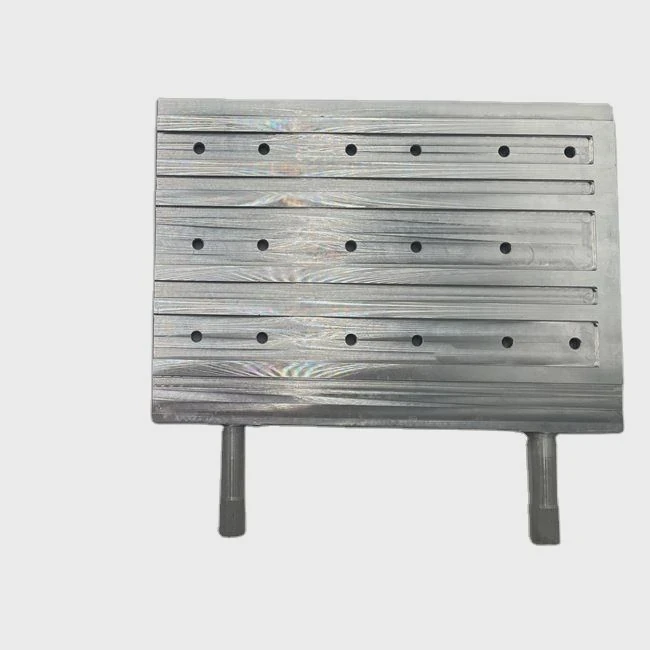
Many people believe liquid cooling systems are “set and forget.” But just like any other mechanical system, they need care to stay efficient and reliable.
Yes, liquid coolers require some maintenance to ensure optimal performance, prevent leaks, and extend lifespan.
While all-in-one (AIO) liquid coolers are nearly maintenance-free, custom loops and industrial systems still need periodic inspection and servicing to stay stable over time.
What kind of maintenance is required?
Liquid cooling systems include pumps, tubes, fittings, and radiators. Over time, coolant can evaporate, degrade, or collect small debris. This can reduce cooling efficiency.
The main maintenance tasks are checking coolant levels, cleaning dust filters, inspecting fittings, and flushing the loop when needed.
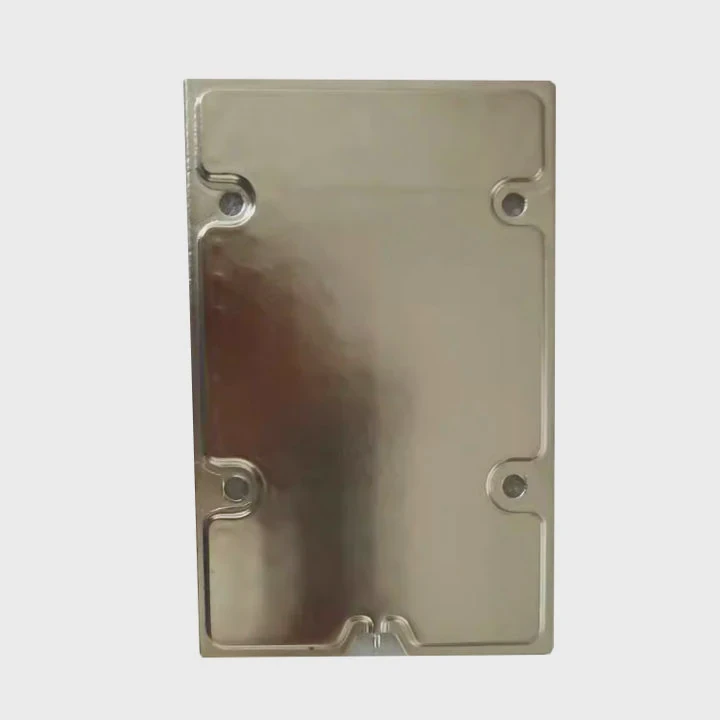
Key maintenance areas
| Maintenance Task | Frequency | Purpose |
|---|---|---|
| Check coolant level | Every 6–12 months | Prevent air bubbles and pump strain |
| Clean radiator and fans | Every 3–6 months | Maintain airflow and efficiency |
| Inspect fittings and seals | Every 6 months | Prevent leaks |
| Flush and replace coolant | Every 12–24 months | Remove buildup and restore performance |
Common maintenance types
- Coolant inspection: Over time, coolant can discolor or form micro-particles due to oxidation or corrosion. Regularly checking for color change or cloudiness helps detect contamination early.
- Leak inspection: Even tiny leaks can lead to system damage. It’s good practice to inspect fittings, joints, and the pump area periodically.
- Air bubble removal: Air pockets reduce cooling efficiency and may cause pump noise. Tilting or bleeding the loop can solve this.
- Radiator cleaning: Dust on radiators or fans blocks airflow, raising temperatures. Compressed air or soft brushes work well for cleaning.
- Coolant replacement: Depending on the type of fluid, replacement every 1–2 years keeps the system healthy and prevents corrosion.
For AIO coolers, most of this is factory-sealed, so you mainly need to clean the radiator and fans. Custom loops require more care since they use user-assembled parts and flexible tubing.
What are the benefits of regular maintenance?
Maintenance may sound tedious, but the payoff is significant—both in performance and reliability.
Regular maintenance improves cooling efficiency, prevents leaks, reduces noise, and extends the life of both the liquid cooler and the hardware it protects.
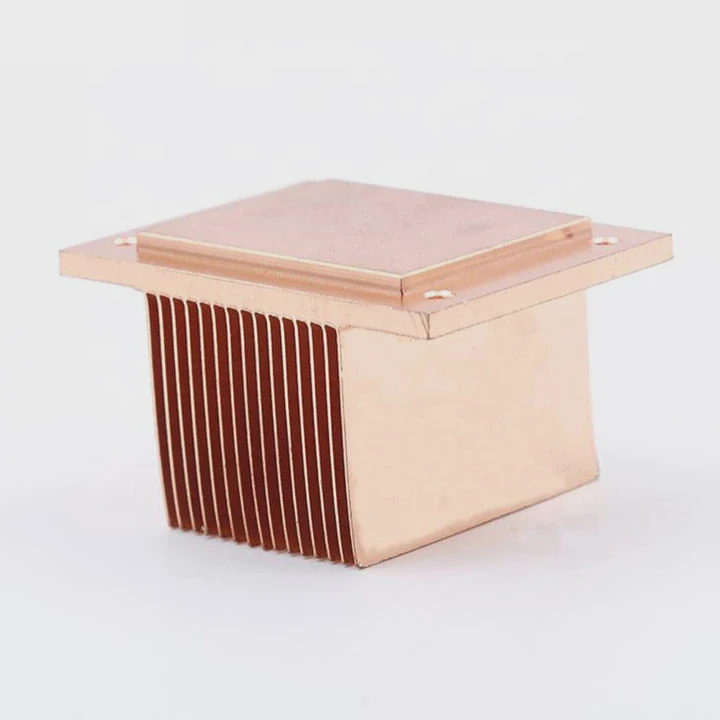
Main benefits of keeping your cooler maintained
- Better cooling performance: Clean radiators and fresh coolant keep thermal transfer strong, ensuring components stay within safe temperature limits.
- Longer lifespan: Pumps and seals last longer when the system runs without strain or contamination.
- Reduced noise: When coolant flows smoothly and fans stay clean, the entire system runs quieter.
- Lower risk of failure: Routine inspections help detect minor leaks or corrosion before they cause damage.
- Stable long-term operation: Especially in industrial or 24⁄7 systems, preventive maintenance avoids unexpected downtime.
Performance comparison
| Condition | Average Temperature | System Noise | Expected Lifespan |
|---|---|---|---|
| Maintained System | 65°C | 25 dB | 5+ years |
| Unmaintained System | 80°C | 36 dB | 2–3 years |
I once ignored maintenance on a custom loop for a year, and small algae growth started in the tubes. The temperature climbed by nearly 10°C. After flushing and refilling with proper coolant, performance returned to normal. That experience made me never skip maintenance again.
How to maintain your liquid cooler effectively?
Maintaining a liquid cooler is not difficult—it just needs consistency and proper tools.
To maintain your liquid cooler effectively, keep the system clean, monitor coolant quality, check for leaks, and service the loop at regular intervals.
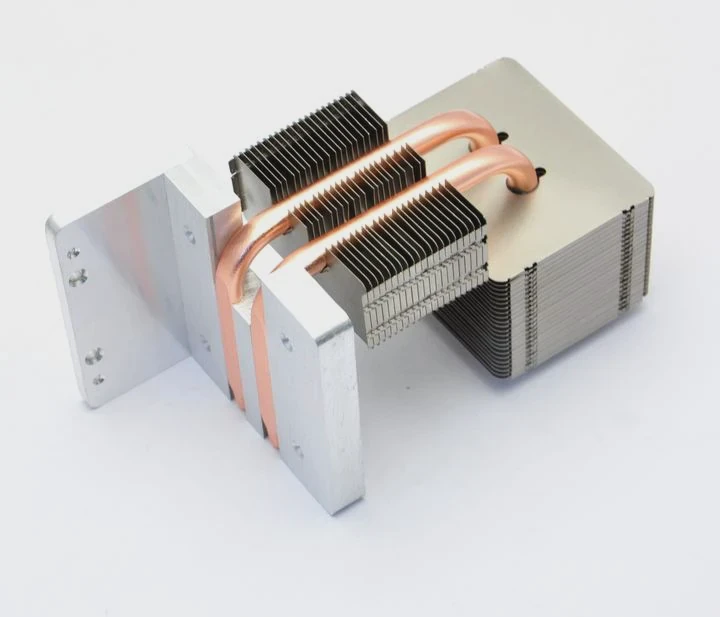
Here’s a practical step-by-step guide for home and industrial users alike.
Step 1: Power down and inspect
Turn off your system completely. Check for any visible moisture, corrosion, or discoloration around fittings, blocks, and pump housings.
Use a flashlight to look for condensation or residue that may suggest small leaks.
Step 2: Clean radiators and fans
Use compressed air to blow dust out of radiators. Clean fan blades with a soft cloth. If you’re in a dusty environment, consider adding mesh filters or cleaning every few months.
Step 3: Check coolant clarity and level
If the coolant appears cloudy or discolored, it’s time for a flush. Some reservoirs have transparent windows or level markings—make sure fluid levels are stable and bubbles are absent.
Step 4: Tighten fittings carefully
Vibration or thermal expansion can loosen fittings. Check that each connection is snug, but do not overtighten—this can damage seals.
Step 5: Flush and refill (for custom loops)
Draining and refilling removes debris and contaminants. Use distilled water to flush, then fill with fresh coolant. Avoid mixing different brands or types of coolants.
Step 6: Bleed air from the loop
After refilling, tilt the system gently or use a bleed valve to release trapped air. Air bubbles cause noise and reduce heat transfer efficiency.
Step 7: Software and firmware checks
For AIO coolers with digital controls, ensure firmware and software are up to date. Updated control algorithms often improve pump speed response and noise reduction.
Quick maintenance checklist
| Step | Action | Interval |
|---|---|---|
| 1 | Visual inspection | Monthly |
| 2 | Dust and fan cleaning | 3–6 months |
| 3 | Coolant check or refill | 12–24 months |
| 4 | Leak test | 6 months |
| 5 | Pump firmware update (AIO) | Annually |
By following these steps, most systems can stay efficient and quiet for many years without major issues.
Additional tips
- Use only non-corrosive, compatible coolant.
- Avoid tap water—it contains minerals that cause buildup.
- Keep systems in cool, dust-free environments.
- Record maintenance dates for long-term tracking.
In industrial setups, automated flow sensors and leak detectors now make monitoring easier. These tools send alerts if pressure or flow drops, preventing failures before they happen.
What are the trends in maintenance-free cooling?
As cooling technology evolves, manufacturers are designing systems that require almost no user maintenance.
New maintenance-free cooling trends include sealed-loop systems, self-healing coolants, phase-change modules, and smart monitoring sensors.
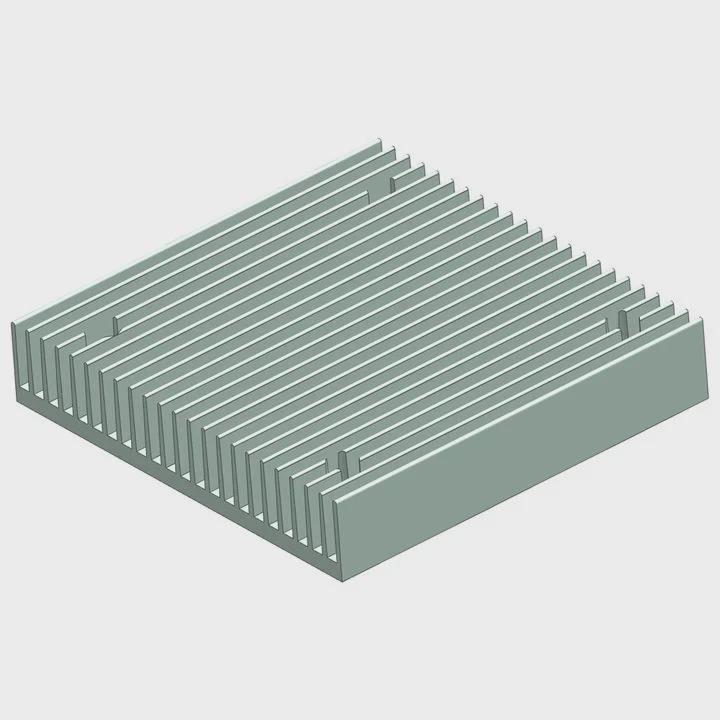
1. Sealed all-in-one (AIO) coolers
Modern AIOs are factory-sealed and vacuum-tested. They use low-evaporation tubing and corrosion-resistant materials. Many are designed to last over 7 years without refilling. This design trend continues to dominate the consumer market.
2. Self-healing and long-life coolants
New coolants use nanoparticle additives that inhibit corrosion and microbial growth automatically. Some even contain oxygen scavengers that prevent oxidation.
These advanced fluids can remain stable for 5–10 years, making them ideal for long-term installations.
3. Phase-change cooling
Phase-change systems use evaporation and condensation to move heat. Since they operate in a closed loop, they require no pumps or refills. This makes them truly maintenance-free. They are now appearing in 5G base stations, aerospace modules, and high-performance laptops.
4. Smart sensors and predictive maintenance
IoT-based monitoring is another fast-growing trend. Sensors track flow rate, pressure, and temperature in real time. AI algorithms then predict when maintenance will be needed.
This transforms maintenance from a manual process into a data-driven one, minimizing downtime.
5. Solid-state and vapor chamber integration
Vapor chambers and solid-state heat spreaders eliminate liquid movement entirely. They work passively, with no mechanical parts to wear out. This “solid-state cooling” is silent and requires zero maintenance.
Trend summary
| Trend | Description | Maintenance Need |
|---|---|---|
| Sealed AIO Design | Factory-sealed, no refill | Very low |
| Self-Healing Coolant | Additives prevent corrosion | Minimal |
| Phase-Change Module | Closed vapor loop | None |
| Smart Monitoring | Predicts issues automatically | Very low |
| Solid-State Cooling | Passive heat spreader | None |
Real-world applications
In modern EV battery systems, maintenance-free cooling is critical. The liquid loops use sealed, non-conductive coolants monitored by onboard sensors. Similar systems appear in medical imaging equipment, satellites, and 24⁄7 server farms—places where downtime is unacceptable.
The shift toward low-maintenance and self-monitoring cooling is not just convenience—it’s about reliability and sustainability. Fewer coolant changes mean less waste and lower environmental impact.
Looking forward
Future systems may integrate self-repairing polymers that automatically seal micro-leaks. Combined with smart control and solid-state materials, this could make liquid cooling completely hands-free for a decade or longer.
Conclusion
Liquid coolers do need maintenance, but it’s simple and predictable. Regular care keeps systems cool, quiet, and efficient. As technology advances toward sealed, smart, and self-healing designs, the future of liquid cooling is moving closer to truly maintenance-free operation.
TAGS
Latest Articles

Volume discount levels for heat sink orders?
Buyers often ask when heat sink prices start to drop with volume. Many worry they’re overpaying for small orders. This guide explains how B2B volume pricing works for thermal components. Heat sink
21 Dec,2025
Heat sink long-term supply contract options?
Many buyers want stable pricing and reliable delivery for heat sinks. But without a clear contract, risks grow over time. This article explores how to secure better long-term supply deals. Long-term
21 Dec,2025
Tooling cost for new heat sink profiles?
Many engineers struggle to understand why tooling for custom heat sinks costs so much. They worry about budgeting and production timelines. This article breaks down the cost drivers behind tooling.
21 Dec,2025
Heat sink custom sample process steps?
Sometimes, starting a custom heat sink project feels overwhelming—too many steps, too many unknowns, and too many risks. You want a sample, but not endless delays. The process for requesting and
20 Dec,2025
Standard B2B terms for heat sink payments?
When buyers and sellers in B2B heat sink markets talk about payment, many don’t fully understand what’s standard. This can lead to delayed orders, miscommunication, and even lost business
20 Dec,2025
Heat sink pricing factors for large orders?
Heat sinks are vital for many systems. When prices rise, projects stall and budgets break. This problem can hit teams hard without warning. Large order heat sink pricing depends on many factors. You
20 Dec,2025Related Articles
- What Liquid Is Used in CPU Cooler?
- What’s better, liquid-cooled or air-cooled?
- Is it worth liquid cooling your GPU?
- Where to mount liquid cooling radiator?
- How much better is liquid cooling?
- When do you need liquid cooling?
- What happens if liquid cooling leaks?
- How to change CPU liquid cooler?
- Does liquid cooling make a difference?
- Is air or liquid cooling better?
- Is thermal paste needed for liquid cooling?
- Does liquid cooling make noise?
Author
Dr. Emily Chen
Chief AI Researcher
Leading expert in thermal dynamics and AI optimization with over 15 years of experience in data center efficiency research.
Categories
Latest Products






Recommend Categories
- Liquid cooling plate Manufacturer
- Industrial Heat Sink Manufacturer
- Standard Heat Sink Manufacturer
- Aluminum Heat Sink Manufacturer
- Copper Heat Sink Manufacturer
- Anodized Heatsink Manufacturer
- Stamping heat sink Manufacturer
- Die Casting Heatsink Manufacturer
- Soldering heat sink Manufacturer
- CNC Parts Manufacturer
Latest Products
- Wholesale Aluminum Radiator
- Water Cooling Plate Kit
- Water Cooling Heat Sink
- Water Cooling Heat Sink Kit
- Stainless Steel Water Distributor
- Server Water Cooling Plate Kit
- Server Liquid Cooling System
- Server Aluminum Cooling Kit
- S19 Full Cover Cooling Plate
- S19 Cooling Plate Kit
- S19 Aluminum Cooling Plate
Contact Expert
Have questions about this article? Reach out to our experts directly.