What Liquid Is Used in CPU Cooler?
When people think of liquid cooling, they often imagine fancy tubes and glowing fluids, but few understand what actually flows inside those systems. The type of liquid inside your CPU cooler determines its efficiency, lifespan, and even safety.
Most CPU coolers use a mixture of distilled water and additives such as glycol, corrosion inhibitors, and biocides to ensure stable heat transfer and long-term performance. The right coolant keeps your system cool, clean, and reliable.
Choosing the right liquid is more important than it seems. Let’s explore what’s inside and how it affects your cooling system’s performance.
What Types of Liquid Are Commonly Used?
Many users believe all coolants are just “water,” but the truth is far more complex. Different systems use different fluid compositions to balance heat transfer, longevity, and maintenance needs.
The most common liquids used in CPU coolers are distilled water, glycol-based mixtures, and specialized premade coolants designed for PC water cooling systems.
1. Distilled Water
Distilled water remains the gold standard in cooling performance. It has excellent thermal conductivity and low viscosity, which means it flows smoothly and transfers heat effectively. However, it lacks protection against corrosion and biological growth, so additives are essential.
Pros:
- High thermal efficiency
- Cheap and accessible
- Easy to maintain with additives
Cons:
- Needs anti-corrosion and anti-algae agents
- May evaporate over time in open systems
2. Propylene Glycol-Based Coolants
Many All-in-One (AIO) systems use glycol-based coolants. Propylene glycol acts as both an antifreeze and anti-corrosion agent. It’s less conductive than water but more stable and longer-lasting.
Pros:
- Prevents corrosion and freezing
- Non-toxic and low-maintenance
- Longer shelf life
Cons:
- Slightly reduced cooling efficiency
- More viscous, which can reduce pump performance
3. Ethylene Glycol-Based Coolants
Ethylene glycol is another common additive, often used in automotive and industrial systems. It provides strong protection against corrosion and microbial growth but is toxic and less environmentally friendly.
Pros:
- Excellent temperature control in extreme conditions
- Effective corrosion protection
Cons:
- Toxic and hazardous to handle
- Slightly lower heat capacity than water
4. Premixed Coolants (Commercial Solutions)
Brands like EKWB, Corsair, and Thermaltake produce pre-formulated coolants designed for PC loops. These mixtures balance performance, safety, and aesthetics. They include anti-corrosion, anti-fungal, and anti-foaming agents, and often come in colored or UV-reactive options.
Pros:
- Ready to use
- Safe and tested formulations
- Aesthetic options with dyes or RGB lighting
Cons:
- More expensive than DIY solutions
- Dyes may stain tubing over time
5. Specialty Liquids (Dielectric and Nano Fluids)
In high-end or experimental systems, dielectric fluids (non-conductive) and nano-fluids are used. These are designed to eliminate electrical risk and improve heat conductivity using nanoparticles like aluminum oxide or copper.
Pros:
- Non-conductive, safe from leaks
- Excellent stability and long life
Cons:
- Very costly
- Complex maintenance requirements
What Benefits Do They Provide?
At first glance, it may seem like all coolants perform the same job, but their composition makes a huge difference in performance, maintenance, and safety.
Coolant liquids provide efficient heat transfer, corrosion resistance, biological control, and longer system life by maintaining consistent temperature stability inside your cooling loop.
1. Efficient Heat Transfer
The main goal of any coolant is to carry heat away from the CPU to the radiator. Water-based coolants, due to their high specific heat capacity, absorb and release heat effectively. This allows stable CPU temperatures under heavy workloads.
| Coolant Type | Thermal Conductivity (W/m·K) | Heat Capacity (J/g·K) |
|---|---|---|
| Distilled Water | 0.6 | 4.18 |
| Propylene Glycol (50⁄50) | 0.25 | 3.5 |
| Ethylene Glycol (50⁄50) | 0.27 | 3.8 |
| Nano-Fluid (enhanced) | 0.8–1.0 | 4.0 |
This table shows why water remains the most efficient base liquid. Even with lower thermal conductivity, glycol mixtures add reliability and protection that make them ideal for closed-loop systems.
2. Corrosion Protection
Different metals—like aluminum, copper, and nickel—can corrode when mixed in a loop. Coolants include inhibitors that prevent electrochemical reactions, protecting both blocks and radiators from damage over time.
3. Microbial and Algae Prevention
Since water is a breeding ground for bacteria, modern coolants include biocides that kill or prevent microbial growth. This keeps the liquid clear and prevents buildup that could clog tubes and reduce flow rate.
4. Extended Component Lifespan
Stable thermal conditions reduce wear on pumps and seals. Glycol mixtures and additives also reduce surface oxidation, preventing discoloration and leaks in the long run.
5. Aesthetic Customization
Premixed coolants come in various colors, from clear blue to bright neon. Some include UV-reactive dyes that glow under case lighting. This combination of function and design makes liquid cooling both effective and visually impressive.
How to Choose the Right Liquid for Your CPU?
Choosing the right coolant depends on your cooling setup, maintenance schedule, and visual goals. While performance is key, factors like safety, reliability, and maintenance matter just as much.
For most users, a premixed coolant or distilled water with additives is ideal because it balances cooling performance, longevity, and system protection.
1. Match Coolant Type to Cooling System
| System Type | Recommended Coolant | Reason |
|---|---|---|
| AIO (All-in-One) | Factory-sealed glycol mix | No maintenance, sealed design |
| Custom Loop | Distilled water + additives / premix | Best thermal and visual balance |
| Submersion or Experimental | Dielectric or nano-fluid | Safety and high efficiency |
For most users with AIO systems, there’s no need to replace or refill coolant. However, custom loop builders should replace or refresh coolant every 6–12 months for optimal performance.
2. Check for Compatibility
Before choosing a coolant, check your loop’s materials. Copper, nickel, and aluminum can react with certain additives. Always use coolants labeled “non-corrosive” or “compatible with mixed-metal systems.”
3. Maintenance and Longevity
If you prefer minimal maintenance, glycol-based premixes are a great choice. They last longer without frequent flushing. However, if you enjoy fine-tuning and changing colors, distilled water with custom additives gives more flexibility.
4. Avoid Common Mistakes
- Never use tap water. It contains minerals that cause corrosion and deposits.
- Don’t mix brands or formulas. Some chemicals react and create residue.
- Replace coolant regularly. Even sealed systems benefit from maintenance after 2–3 years.
5. Visual vs. Practical Priorities
If your build focuses on RGB and aesthetics, colored premixes are ideal. But if you want maximum efficiency and simplicity, clear distilled water remains unbeatable. The best choice balances your performance goals and style preferences.
What Are the Innovations in Coolant Chemistry?
The coolant industry has advanced beyond simple water-based solutions. Engineers now focus on molecular-level improvements to enhance thermal performance, safety, and sustainability.
Modern coolant innovations include nano-fluids, non-conductive formulas, eco-friendly coolants, and phase-change or self-healing chemical systems designed to optimize thermal transfer and reliability.
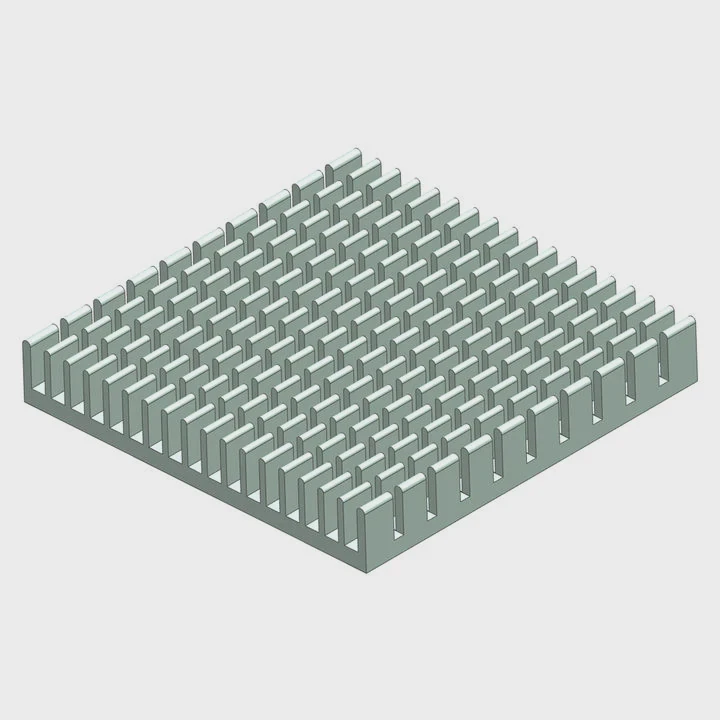
1. Nano-Fluids for Enhanced Thermal Conductivity
Researchers are developing coolants infused with nanoparticles like copper, aluminum oxide, and graphene. These particles improve thermal conductivity by 30–50%, reducing temperature spikes under high loads.
- How it works: Nanoparticles create more surface area for heat transfer within the fluid.
- Benefits: Higher efficiency, faster heat dissipation, and better stability.
- Challenges: High cost and potential sedimentation over time.
2. Non-Conductive Coolants
To minimize the risk of electrical shorts, companies have developed non-conductive liquids. These coolants can even come into contact with hardware safely if leaks occur.
Brands like 3M and Coollaboratory produce dielectric coolants for professional or submersion cooling applications. They ensure total safety but come at a higher price point.
3. Eco-Friendly and Biodegradable Formulas
There’s a growing trend toward sustainable cooling solutions. New bio-based glycol alternatives reduce toxicity and environmental impact while maintaining similar performance to traditional coolants.
Some companies also focus on longer-lasting coolants that resist evaporation and degradation, reducing waste and replacement frequency.
4. Self-Healing and Phase-Change Fluids
Experimental coolants can change phase—from liquid to vapor—to improve heat absorption. Some include self-healing properties that re-balance chemical stability over time. Though still in research, these technologies could revolutionize long-term PC cooling.
5. Smart Sensor Integration
Advanced coolants now include micro-additives that change color or fluorescence when temperatures exceed thresholds or when contamination occurs. This visual feedback helps users monitor loop health without disassembly.
Future Outlook
| Innovation | Description | Potential Impact |
|---|---|---|
| Nano-Fluid | Enhanced conductivity with micro-particles | Faster heat transfer |
| Dielectric Coolant | Non-conductive for submersion | Safer for electronics |
| Eco-Friendly Mix | Biodegradable alternatives | Sustainable and safe |
| Phase-Change Liquid | Absorbs heat through vaporization | Higher efficiency |
| Smart Coolant | Color-changing chemical indicators | Easier maintenance |
These innovations represent the next frontier in thermal management. As CPUs and GPUs grow more powerful, coolant chemistry will continue to play a crucial role in ensuring performance and safety.
Conclusion
The liquid in your CPU cooler is more than just water — it’s a carefully engineered thermal solution. From distilled water to advanced nano-fluids, each type offers a balance between performance, protection, and longevity. Choosing the right coolant ensures stable temperatures, safer operation, and a cooler, quieter system for years to come.
TAGS
Latest Articles

Volume discount levels for heat sink orders?
Buyers often ask when heat sink prices start to drop with volume. Many worry they’re overpaying for small orders. This guide explains how B2B volume pricing works for thermal components. Heat sink
21 Dec,2025
Heat sink long-term supply contract options?
Many buyers want stable pricing and reliable delivery for heat sinks. But without a clear contract, risks grow over time. This article explores how to secure better long-term supply deals. Long-term
21 Dec,2025
Tooling cost for new heat sink profiles?
Many engineers struggle to understand why tooling for custom heat sinks costs so much. They worry about budgeting and production timelines. This article breaks down the cost drivers behind tooling.
21 Dec,2025
Heat sink custom sample process steps?
Sometimes, starting a custom heat sink project feels overwhelming—too many steps, too many unknowns, and too many risks. You want a sample, but not endless delays. The process for requesting and
20 Dec,2025
Standard B2B terms for heat sink payments?
When buyers and sellers in B2B heat sink markets talk about payment, many don’t fully understand what’s standard. This can lead to delayed orders, miscommunication, and even lost business
20 Dec,2025
Heat sink pricing factors for large orders?
Heat sinks are vital for many systems. When prices rise, projects stall and budgets break. This problem can hit teams hard without warning. Large order heat sink pricing depends on many factors. You
20 Dec,2025Related Articles
- What’s better, liquid-cooled or air-cooled?
- Is it worth liquid cooling your GPU?
- Where to mount liquid cooling radiator?
- How much better is liquid cooling?
- When do you need liquid cooling?
- Is air-cooled better than liquid?
- Does liquid cooler need maintenance?
- What happens if liquid cooling leaks?
- How to change CPU liquid cooler?
- Does liquid cooling make a difference?
- Is air or liquid cooling better?
- Is thermal paste needed for liquid cooling?
Author
Dr. Emily Chen
Chief AI Researcher
Leading expert in thermal dynamics and AI optimization with over 15 years of experience in data center efficiency research.
Categories
Latest Products






Recommend Categories
- Liquid cooling plate Manufacturer
- Industrial Heat Sink Manufacturer
- Standard Heat Sink Manufacturer
- Aluminum Heat Sink Manufacturer
- Copper Heat Sink Manufacturer
- Anodized Heatsink Manufacturer
- Stamping heat sink Manufacturer
- Die Casting Heatsink Manufacturer
- Soldering heat sink Manufacturer
- CNC Parts Manufacturer
Latest Products
- Wholesale Aluminum Radiator
- Water Cooling Plate Kit
- Water Cooling Heat Sink
- Water Cooling Heat Sink Kit
- Stainless Steel Water Distributor
- Server Water Cooling Plate Kit
- Server Liquid Cooling System
- Server Aluminum Cooling Kit
- S19 Full Cover Cooling Plate
- S19 Cooling Plate Kit
- S19 Aluminum Cooling Plate
Contact Expert
Have questions about this article? Reach out to our experts directly.