Does Vapor Chamber need thermal insulation?
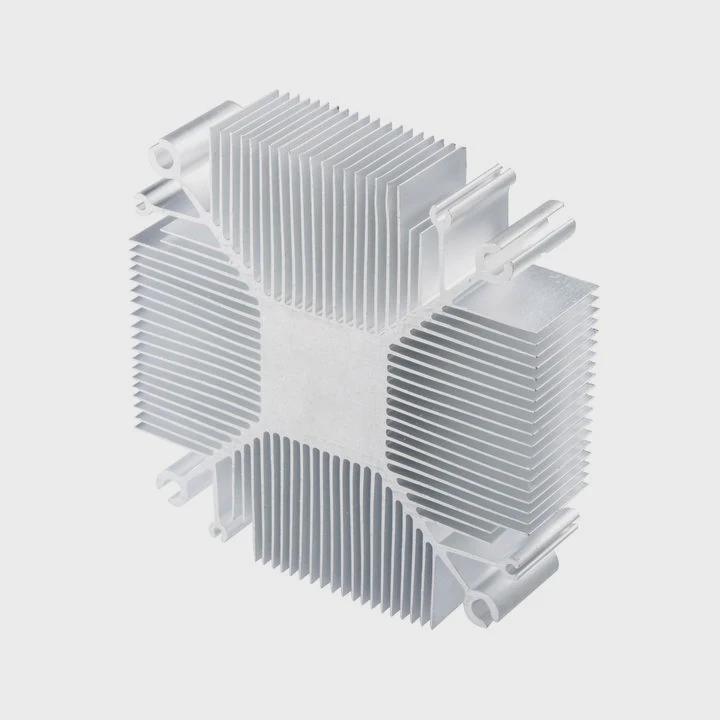
When integrating a vapor chamber into a system, a common question arises: should the chamber be insulated externally? In general, thermal insulation is not always required for a vapor chamber, but in many cases it improves efficiency, prevents unwanted heat transfer, and is beneficial in specific use‑cases.
Let’s explore whether insulation is necessary, what materials are used, how it affects efficiency, and whether insulated designs are adopted in mobile devices.
Is thermal insulation necessary around Vapor Chambers?
Insulation is not mandatory for every vapor chamber application, since the chamber itself is designed to spread and move heat efficiently. However, insulation can play a critical role when you want to prevent heat loss/gain to surrounding structures or maintain isolation of the heat path.
Thermal insulation can be necessary when the vapor chamber is in a thermally sensitive environment, such as when you need to isolate the heat from adjacent components or limit heat loss/gain to ambient.
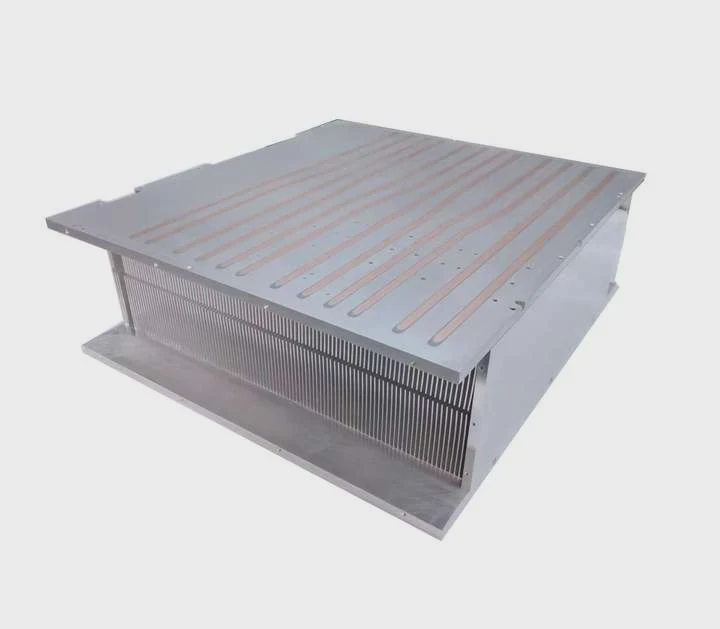
When insulation makes sense
- If the vapor chamber is used in a module where you want to prevent heat escape to nearby low‑temperature components or sensitive electronics.
- If you are using the vapor chamber in a large temperature difference environment (for example, a cold‑plate side vs ambient) and you want to minimise heat flowing back in.
- When the vapor chamber is part of a high‑efficiency system (e.g., aerospace, EV battery pack) where every watt of heat loss matters.
- When the chamber is mounted near or against a structural element or enclosure that might act as a heat sink or heat source inadvertently.
When insulation may not be required
- If the vapor chamber is tightly integrated with a heatsink and the heatsink is the main thermal path to ambient, and surrounding components tolerate heat spread.
- In consumer electronics where cost and weight constraints outweigh the small gains from insulation.
- When ambient coupling (convection/radiation) is minimal and the chamber surface area is small relative to heat flux.
In your role as a thermal module supplier, you should assess whether the environment demands insulation. A statement to include might be: “Insulation optional, recommended for ambient isolation, not required for standard heatsink mounting.”
Which materials are used for external insulation?
When insulation is chosen, a variety of materials and methods can be used. The right material depends on operating temperature, space constraints, mechanical durability, and cost.
Common insulation materials include thin foil‑backed foam, aerogel blankets, silicone foam, phase‑change insulation, and reflective barrier wraps.
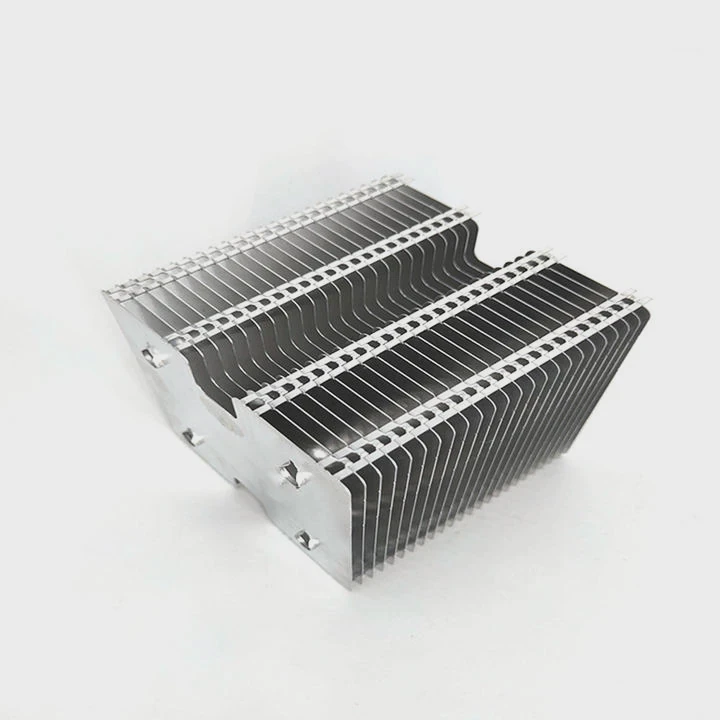
Material options and key traits
| Material | Typical Use Case | Advantages | Considerations |
|---|---|---|---|
| Foil‑backed foam sheet | Consumer electronics, moderate temps | Low cost, thin profile, moderate conductivity | Limited high‑temp capability |
| Silicone foam pad | Mobile devices, compact modules | Compressible, accommodates mis‑fit surfaces | Slightly higher thermal resistance |
| Aerogel blanket or paper | High‑end modules, aerospace | Very low thermal conductivity, high temp range | Higher cost, thickness may be larger |
| Reflective radiant barrier wrap | Reduce radiant heat gain/loss | Lightweight, reflects radiation | Needs air gap to be effective |
Process tips for insulation integration
- Ensure surface preparation: chamber external wall must be clean so insulation adheres without voids or gaps.
- Maintain mechanical mounting: the insulation wrap should not interfere with fasteners, thermal interfaces, or airflow paths.
- Specify thickness and thermal conductivity: e.g., “insulation wrap 1 mm thick, k = 0.035 W/m·K”.
- For rugged applications, consider insulation retaining features or clips so mechanical stress does not delaminate insulation.
Can insulation improve energy efficiency?
Yes — insulation around a vapor chamber can improve energy efficiency in thermal systems by reducing unwanted heat paths and improving overall thermal budget.
By reducing heat loss, keeping heat where it is needed, or limiting heat gain from ambient, insulation helps the cooling system work more effectively and reduces the load on fans, passive sinks or compressors.
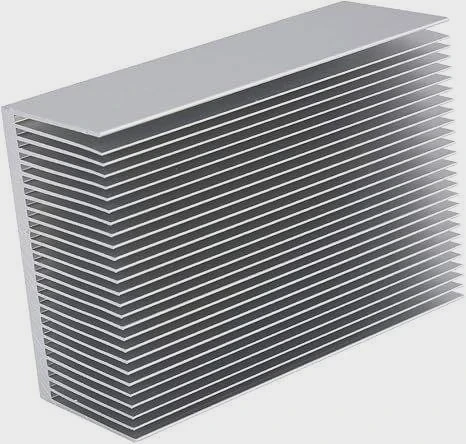
How insulation helps
- Less heat radiation/convection to undesired zones: In systems where ambient or adjacent structures are cooler, insulation prevents heat from leaving the desired path prematurely.
- Lower heat input into cooling system: If your vapor chamber system is part of an active cooling loop, insulation reduces the workload on the sink or circulating fluid.
- Better thermal isolation: For modules operating in mixed‑temperature environments (electronics + battery + power converter), insulation helps maintain each zone’s thermal integrity.
- Improved reliability and lifespan: By keeping surrounding components cooler, insulation indirectly improves system lifetime (electronics degrade faster with higher ambient).
Quantifying benefit
You might observe, for example, a reduction in ambient heat gain of several watts, or a lower temperature gradient from junction to ambient. For your OEM clients, you could provide data such as “Insulated module shows 5 % lower fan power for same device operating point”.
Business implication for your modules
Given your company’s positioning in high‑performance markets (aerospace, EV, data centre), offering an “insulation option” for vapor chamber modules could be a value add:
- Offer standard module (no insulation) for cost‑sensitive electronics.
- Offer premium module (with insulation wrap or pad) for high‑efficiency systems.
- In specification, provide thermal model showing effect: “With insulation, thermal path loss reduced by X W/K”.
Are insulated designs used in mobile devices?
Yes — although space and weight constraints are critical in mobile devices, insulation (or at least partial thermal isolation) is increasingly used where the vapor chamber must spread heat while protecting adjacent components or the chassis from heating.
Mobile device manufacturers do use vapor chambers integrated with thermal isolation pads or adhesive foils to separate hot sources from user‑touch surfaces or to direct heat flow in a managed way.
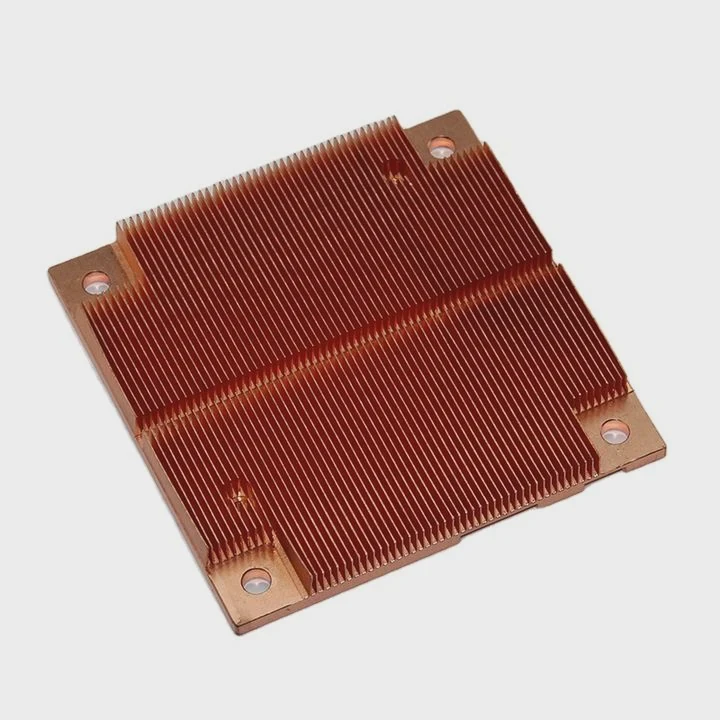
Use cases in mobile devices
- Smartphones and tablets that include ultra‑thin vapor chambers often include thermal pads or insulating films between the chamber and user‑touch surfaces to ensure the chassis does not become hot.
- Gaming handhelds or AR/VR headsets with high power draw may use a vapor chamber plus insulating layer to protect adjacent battery or PCB from heat.
- Laptops or fan‑less ultrabooks where the vapor chamber is mounted near plastic enclosures — insulating surfaces prevent heat migration to user‑touch plastics.
Design considerations in mobile context
- Insulation must be extremely thin and lightweight: e.g., < 0.5 mm thickness.
- Material must withstand operating temperature range (e.g., 0 °C to 70 °C for consumer devices).
- Adherence to manufacturing processes: insulation should survive reflow and handling.
- Thermal interface must still allow efficient conduction path from vapor chamber to heatsink or chassis; insulation should not degrade interface contact.
- For your business, you can offer “insulated vapor chamber unit for ultra‑thin mobile module” as a custom variant.
Market relevance
Given the trend towards higher performance mobile devices (5G, AI, foldables) and increasing thermal loads in compact form factors, the combination of vapor chamber + insulation is becoming more relevant. As such, having module offerings with pre‑applied insulation or insulation‑ready surfaces can give you a competitive edge.
Conclusion
Thermal insulation around a vapor chamber is not universally required but can deliver significant benefits in energy efficiency, thermal isolation and system reliability—especially in demanding applications or when space allows. The right insulation materials (foil‑backed foam, aerogel blanket, reflective wrap) and correct integration make the difference. In mobile and ultra‑thin devices, insulation is used judiciously to protect nearby components or user surfaces. For your business, offering both standard and insulated variants of vapor chamber modules aligns with diverse customer needs—from cost‑sensitive consumer electronics to high‑end aerospace/EV applications.
TAGS
Latest Articles

Volume discount levels for heat sink orders?
Buyers often ask when heat sink prices start to drop with volume. Many worry they’re overpaying for small orders. This guide explains how B2B volume pricing works for thermal components. Heat sink
21 Dec,2025
Heat sink long-term supply contract options?
Many buyers want stable pricing and reliable delivery for heat sinks. But without a clear contract, risks grow over time. This article explores how to secure better long-term supply deals. Long-term
21 Dec,2025
Tooling cost for new heat sink profiles?
Many engineers struggle to understand why tooling for custom heat sinks costs so much. They worry about budgeting and production timelines. This article breaks down the cost drivers behind tooling.
21 Dec,2025
Heat sink custom sample process steps?
Sometimes, starting a custom heat sink project feels overwhelming—too many steps, too many unknowns, and too many risks. You want a sample, but not endless delays. The process for requesting and
20 Dec,2025
Standard B2B terms for heat sink payments?
When buyers and sellers in B2B heat sink markets talk about payment, many don’t fully understand what’s standard. This can lead to delayed orders, miscommunication, and even lost business
20 Dec,2025
Heat sink pricing factors for large orders?
Heat sinks are vital for many systems. When prices rise, projects stall and budgets break. This problem can hit teams hard without warning. Large order heat sink pricing depends on many factors. You
20 Dec,2025Related Articles
- Can Vapor Chamber be powder coated?
- How to bond Vapor Chamber to heatsink?
- Vapor Chamber sealing method recommendations?
- Vapor Chamber best filling liquids?
- Vapor Chamber roughness standards for contact surfaces?
- Which industry uses Vapor Chamber mostly?
- Noise impact of Vapor Chamber operation?
- Vapor Chamber machining cost breakdown?
- How to estimate Vapor Chamber delivery time?
- Required tooling for Vapor Chamber manufacturing?
- Does Vapor Chamber need leak detection?
- Vapor Chamber heat dispersion test results?
Author
Dr. Emily Chen
Chief AI Researcher
Leading expert in thermal dynamics and AI optimization with over 15 years of experience in data center efficiency research.
Categories
Latest Products






Recommend Categories
- Liquid cooling plate Manufacturer
- Industrial Heat Sink Manufacturer
- Standard Heat Sink Manufacturer
- Aluminum Heat Sink Manufacturer
- Copper Heat Sink Manufacturer
- Anodized Heatsink Manufacturer
- Stamping heat sink Manufacturer
- Die Casting Heatsink Manufacturer
- Soldering heat sink Manufacturer
- CNC Parts Manufacturer
Latest Products
- Wholesale Aluminum Radiator
- Water Cooling Plate Kit
- Water Cooling Heat Sink
- Water Cooling Heat Sink Kit
- Stainless Steel Water Distributor
- Server Water Cooling Plate Kit
- Server Liquid Cooling System
- Server Aluminum Cooling Kit
- S19 Full Cover Cooling Plate
- S19 Cooling Plate Kit
- S19 Aluminum Cooling Plate
Contact Expert
Have questions about this article? Reach out to our experts directly.