Can Vapor Chamber be powder coated?
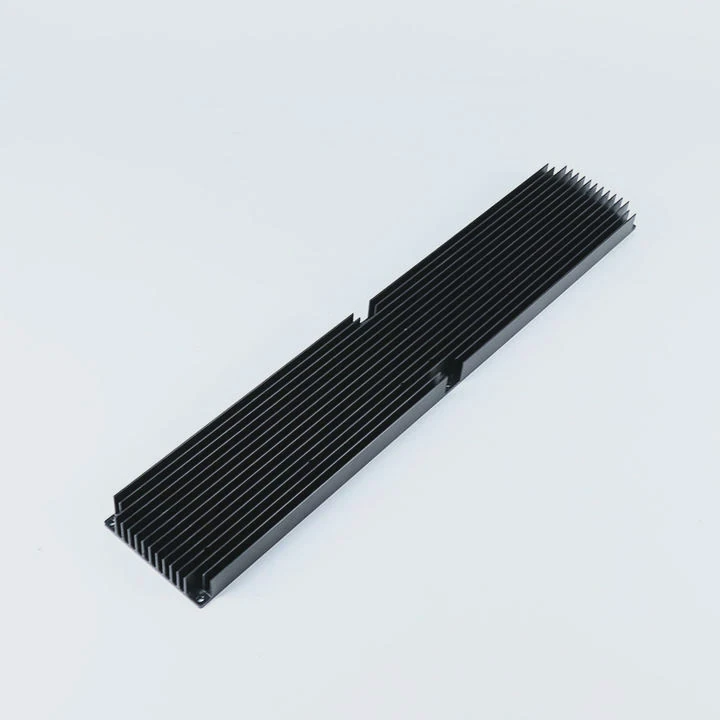
You want a durable, good-looking surface—but will powder coating ruin thermal performance?
Yes, vapor chambers can be powder coated under strict conditions, but care must be taken not to affect thermal conductivity or compromise internal sealing.
Let’s explore when and how surface coatings are safe—or risky.
Is powder coating suitable for Vapor Chamber surface?
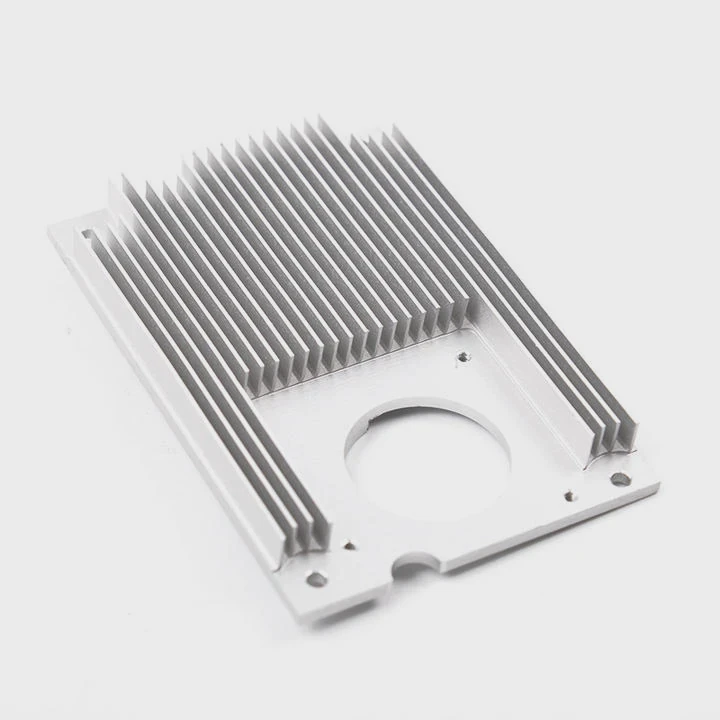
Powder coating is a common finish in industrial products, offering durability and corrosion resistance. But vapor chambers are sealed thermal devices with precise tolerances—so the rules are different.
Yes, powder coating can be applied to vapor chambers, but only on external non-contact areas and at controlled curing temperatures.
Considerations Before Coating
| Factor | Why It Matters |
|---|---|
| Curing temperature | Too high can damage internal seal |
| Surface thickness | Coating adds resistance to thermal path |
| Masking zones | Critical thermal surfaces must stay bare |
| Chamber type | Welded vs soldered chambers vary in tolerance |
Typical Process Adjustments
- Mask off mounting zones and heat transfer surfaces
- Limit curing oven temperature below 180°C
- Use thin, low-emissivity coatings if thermal contact is needed
Many suppliers avoid powder coating entirely and instead use plating (nickel or black oxide) or paints that cure at low temperatures.
Does powder coating affect heat dissipation?
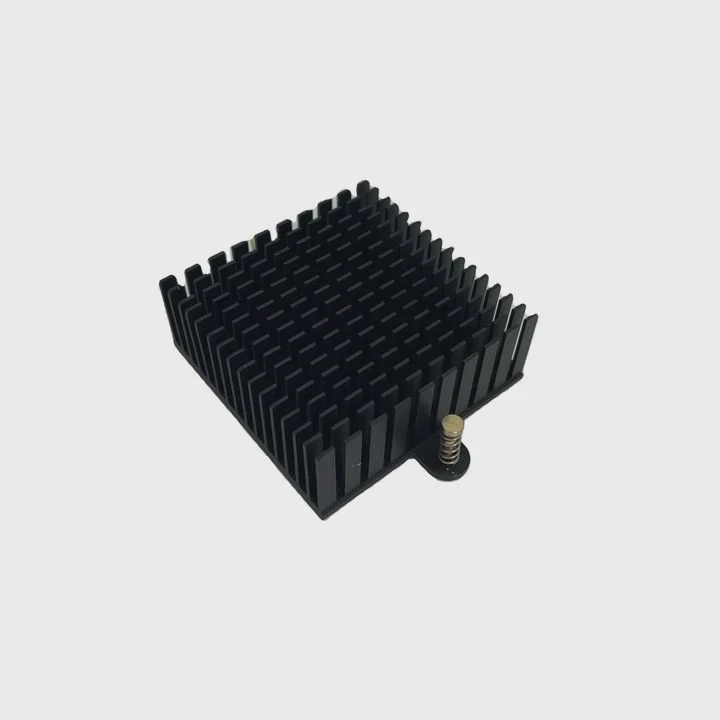
Yes, powder coating can significantly reduce thermal performance if applied to areas that are in contact with heat sources or heatsinks. Even a thin coating can act as a thermal insulator.
Yes, powder coating adds thermal resistance and should be avoided on heat transfer surfaces like baseplates or contact zones.
Coating Impact on Thermal Transfer
| Coating Type | Thermal Conductivity | Suitability for Thermal Zones |
|---|---|---|
| Epoxy powder coat | Very low | Poor |
| Polyurethane coat | Low | Avoid |
| Black oxide plating | Moderate | Acceptable |
| Anodizing (clear/black) | Medium-high | Acceptable with design margin |
Heat Transfer Impact Summary
- A 50 μm thick powder coat can reduce thermal conductivity by 30–50%
- Surface emissivity may increase, helping in radiation cooling—but not conduction
- In high-power devices, even small coating areas can affect performance
Only coat non-thermal areas like mounting flanges or visible parts, and always consult the thermal engineer before proceeding.
Can coating damage internal chamber structure?
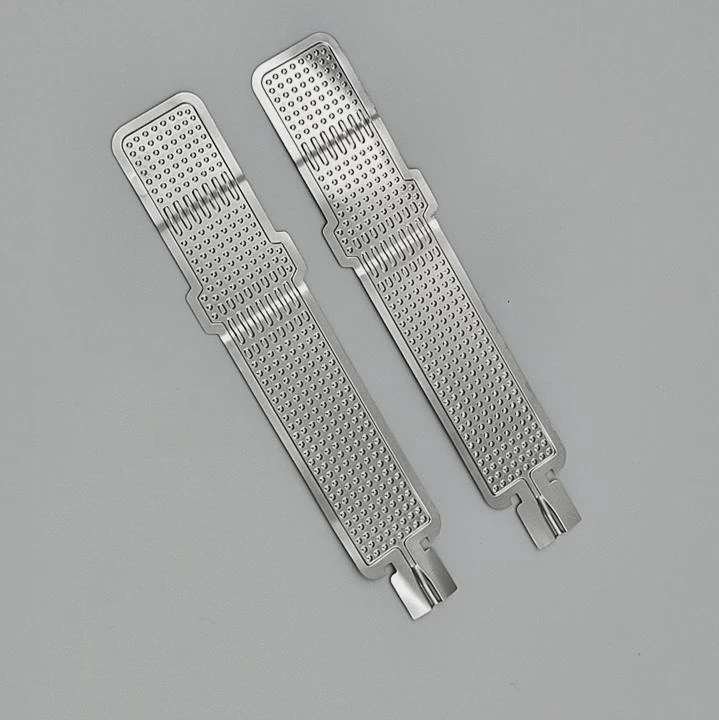
Yes, improperly applied coating—especially powder coating that requires baking—can damage internal vapor chambers. It may cause seal warping, gas leaks, or fluid degradation.
Yes, high-temperature curing or poor surface prep during coating can harm internal wicks, seals, or vacuum integrity.
Potential Risks During Coating
| Risk | Description |
|---|---|
| Heat-induced seal damage | Expansion breaks welds or bonds |
| Fluid vaporization | Internal pressure rises in oven |
| Wick contamination | Overspray enters unsealed joints |
| Outgassing in use | Powder coat may degrade under heat |
Chambers sealed by laser welding or high-temp soldering may tolerate short curing better than glue-sealed or expansion-joint types.
To avoid damage:
Use low-temp coating processes (<150°C)
Pre-bake chambers empty if coating before fill/seal
Request coating from manufacturers familiar with vapor chamber hardware
Are there better alternatives to powder coating?

Yes, several finishes offer protective or aesthetic benefits without the thermal or structural risks of powder coating. Many are used in aerospace and electronics industries where precision is critical.
Yes, black anodizing, nickel plating, and ceramic coatings are often better choices than powder coating for vapor chambers.
Recommended Alternatives
| Coating Type | Pros | Cons |
|---|---|---|
| Black anodizing | Improves emissivity, low thickness | Only works with aluminum |
| Electroless nickel plating | Good corrosion resistance, conductive | Slight cost increase |
| Black oxide (copper) | Stable, improves radiation cooling | Limited to specific metals |
| Ceramic-based sprays | Thin, thermal-stable | Needs precise application |
| PTFE coating (selective) | Lubricates mount zones | Non-conductive, limited use case |
When to Use Alternatives
- For visible external finishes: Use anodizing or nickel
- For outdoor or corrosive environments: Use ceramic or nickel
- For thermal critical zones: Leave bare, polish surface
- For high-emissivity zones: Use black oxide or anodizing
Before coating, clarify:
- Where coating is applied
- Thermal expectations
- Production method (manual, robotic, batch, etc.)
This ensures the vapor chamber stays reliable while meeting cosmetic or corrosion resistance needs.
Conclusion
Powder coating is possible on vapor chambers—but only with careful masking, controlled temperatures, and engineering review. It’s safer to use plating or thin film coatings for most designs. Always avoid coating heat contact areas to preserve thermal performance and vacuum integrity.
TAGS
Latest Articles

Volume discount levels for heat sink orders?
Buyers often ask when heat sink prices start to drop with volume. Many worry they’re overpaying for small orders. This guide explains how B2B volume pricing works for thermal components. Heat sink
21 Dec,2025
Heat sink long-term supply contract options?
Many buyers want stable pricing and reliable delivery for heat sinks. But without a clear contract, risks grow over time. This article explores how to secure better long-term supply deals. Long-term
21 Dec,2025
Tooling cost for new heat sink profiles?
Many engineers struggle to understand why tooling for custom heat sinks costs so much. They worry about budgeting and production timelines. This article breaks down the cost drivers behind tooling.
21 Dec,2025
Heat sink custom sample process steps?
Sometimes, starting a custom heat sink project feels overwhelming—too many steps, too many unknowns, and too many risks. You want a sample, but not endless delays. The process for requesting and
20 Dec,2025
Standard B2B terms for heat sink payments?
When buyers and sellers in B2B heat sink markets talk about payment, many don’t fully understand what’s standard. This can lead to delayed orders, miscommunication, and even lost business
20 Dec,2025
Heat sink pricing factors for large orders?
Heat sinks are vital for many systems. When prices rise, projects stall and budgets break. This problem can hit teams hard without warning. Large order heat sink pricing depends on many factors. You
20 Dec,2025Related Articles
- How to bond Vapor Chamber to heatsink?
- Vapor Chamber sealing method recommendations?
- Vapor Chamber best filling liquids?
- Vapor Chamber roughness standards for contact surfaces?
- Which industry uses Vapor Chamber mostly?
- Vapor Chamber integration in cooling modules?
- Does Vapor Chamber need thermal insulation?
- Noise impact of Vapor Chamber operation?
- Vapor Chamber machining cost breakdown?
- How to estimate Vapor Chamber delivery time?
- Required tooling for Vapor Chamber manufacturing?
- Does Vapor Chamber need leak detection?
Author
Dr. Emily Chen
Chief AI Researcher
Leading expert in thermal dynamics and AI optimization with over 15 years of experience in data center efficiency research.
Categories
Latest Products






Recommend Categories
- Liquid cooling plate Manufacturer
- Industrial Heat Sink Manufacturer
- Standard Heat Sink Manufacturer
- Aluminum Heat Sink Manufacturer
- Copper Heat Sink Manufacturer
- Anodized Heatsink Manufacturer
- Stamping heat sink Manufacturer
- Die Casting Heatsink Manufacturer
- Soldering heat sink Manufacturer
- CNC Parts Manufacturer
Latest Products
- Wholesale Aluminum Radiator
- Water Cooling Plate Kit
- Water Cooling Heat Sink
- Water Cooling Heat Sink Kit
- Stainless Steel Water Distributor
- Server Water Cooling Plate Kit
- Server Liquid Cooling System
- Server Aluminum Cooling Kit
- S19 Full Cover Cooling Plate
- S19 Cooling Plate Kit
- S19 Aluminum Cooling Plate
Contact Expert
Have questions about this article? Reach out to our experts directly.