Best joining method for Vapor Chamber?
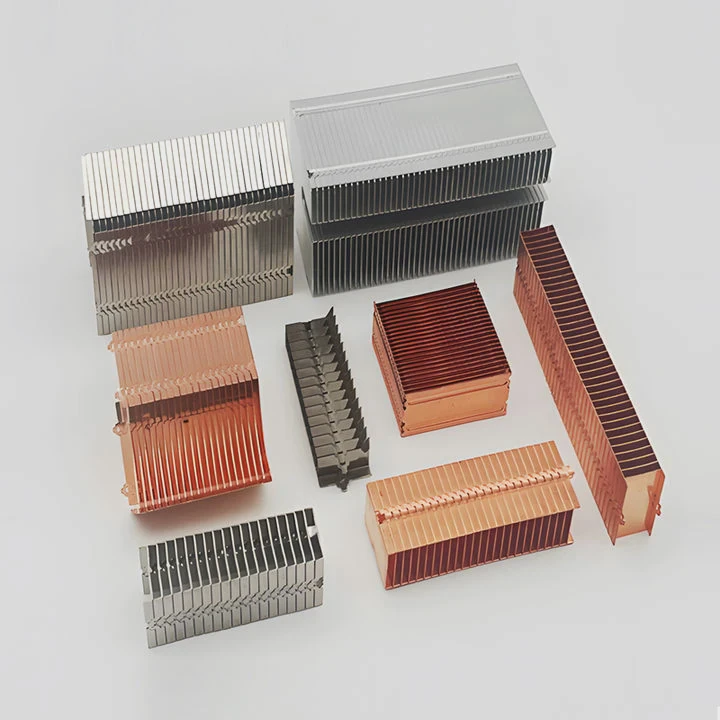
Joining is one of the most critical steps in vapor chamber production. A single weak seal can ruin the entire thermal module.
The best joining method for vapor chambers is laser welding, due to its precision, vacuum integrity, and repeatability in high-performance applications.
Different joining techniques serve different needs. Let’s explore the pros, cons, and trade-offs to choose the right solution for long-term reliability.
What is the best joining technique for Vapor Chamber parts?
Not all joining methods perform equally under pressure and heat. Selection depends on size, materials, and the end-use environment.
Laser welding stands out as the most effective technique for joining vapor chamber parts, offering strong, hermetic seals with low thermal distortion and minimal material loss.
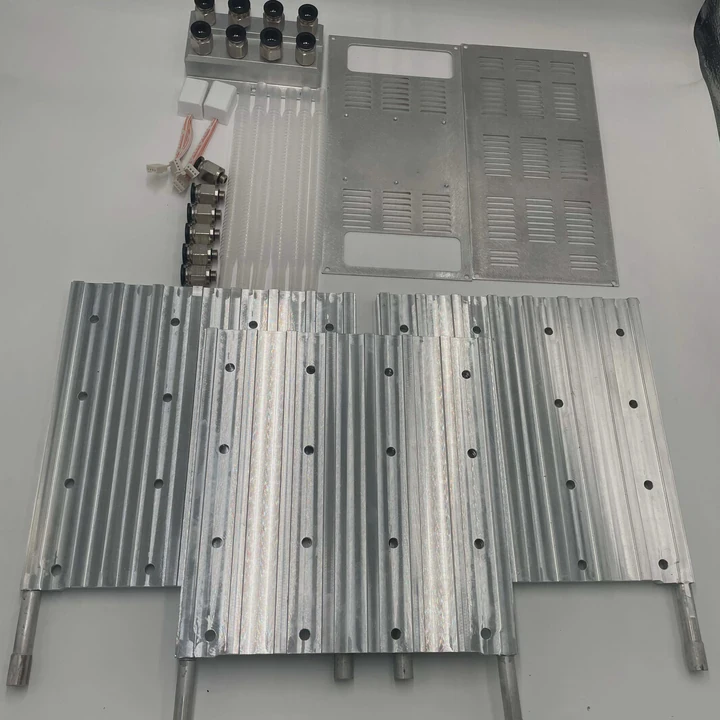
Laser welding uses focused beams to melt and fuse metal parts without physical contact. This is especially useful for the thin copper or aluminum sheets used in vapor chambers. It creates narrow, deep welds with low heat-affected zones (HAZ), preserving the microstructure and avoiding warping.
Common joining techniques in vapor chambers
| Method | Description | Pros | Cons |
|---|---|---|---|
| Laser Welding | Focused laser melts metal edges | Precise, fast, clean | Requires CNC or robot setup |
| Diffusion Bonding | Heat and pressure fuse surfaces | No filler, uniform bond | Slow, costly |
| Solder Sealing | Filler metal joins parts | Low-temp, flexible | Lower vacuum integrity |
| Brazing | Filler joins via capillary action | Strong bond, some gap filling | May affect thermal paths |
| Mechanical Clamping | Physical screws or rivets | Fast, reversible | Poor seal, not vacuum-tight |
Laser welding offers the best balance for mass production and tight tolerances. It can handle both copper and aluminum with the right setup, and works well with automation.
Is laser welding better than solder sealing?
Soldering has been used for decades in electronics and thermal modules. But when it comes to vapor chambers, the demands are higher.
Yes, laser welding is better than solder sealing in most vapor chamber applications because it provides stronger, leak-proof joints that withstand thermal cycling and maintain vacuum over time.
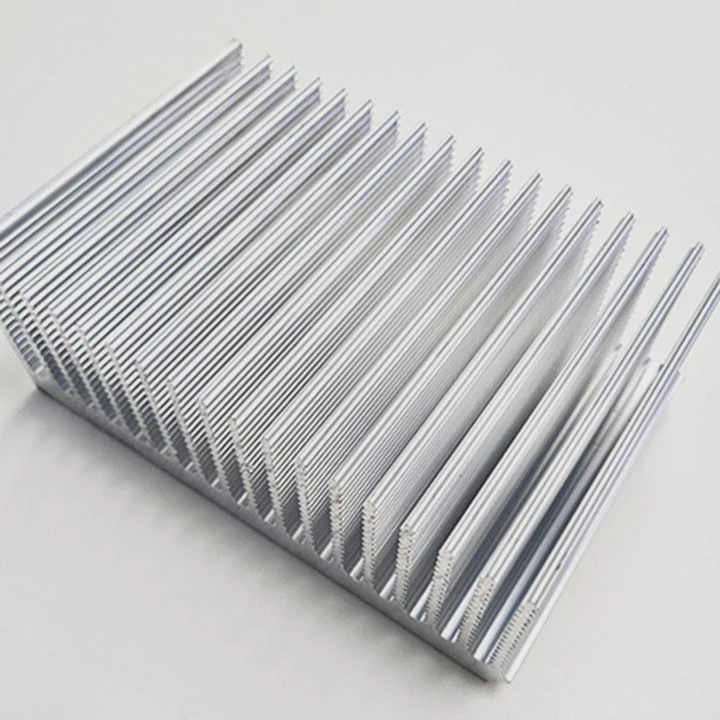
Solder sealing uses filler metal (like tin or indium alloys) to join components at lower temperatures. It’s simpler and more forgiving than laser welding, but the trade-off is reliability.
Comparing laser welding and solder sealing
| Feature | Laser Welding | Solder Sealing |
|---|---|---|
| Seal Quality | Excellent, hermetic | Moderate, filler may trap gas |
| Process Temp | High (up to 2000°C) | Low (~150–300°C) |
| Vacuum Integrity | High | Medium |
| Strength | High tensile and shear | Lower mechanical strength |
| Cycle Time | Fast in automation | Slower in batch |
| Suitability | High-precision systems | Low-cost or temporary use |
Laser welds are cleaner and don’t introduce flux residue or trapped solder gases, which can damage wick structures. Also, laser joints are more resistant to pressure and vibration, important in aerospace and automotive environments.
How does joining method affect vacuum integrity?
Maintaining vacuum is critical. If the seal leaks, even microscopically, the vapor chamber fails—leading to overheating or total device shutdown.
Joining methods directly impact vacuum integrity. Laser welding and diffusion bonding ensure long-term vacuum tightness, while solder sealing and mechanical methods often allow slow leakage.
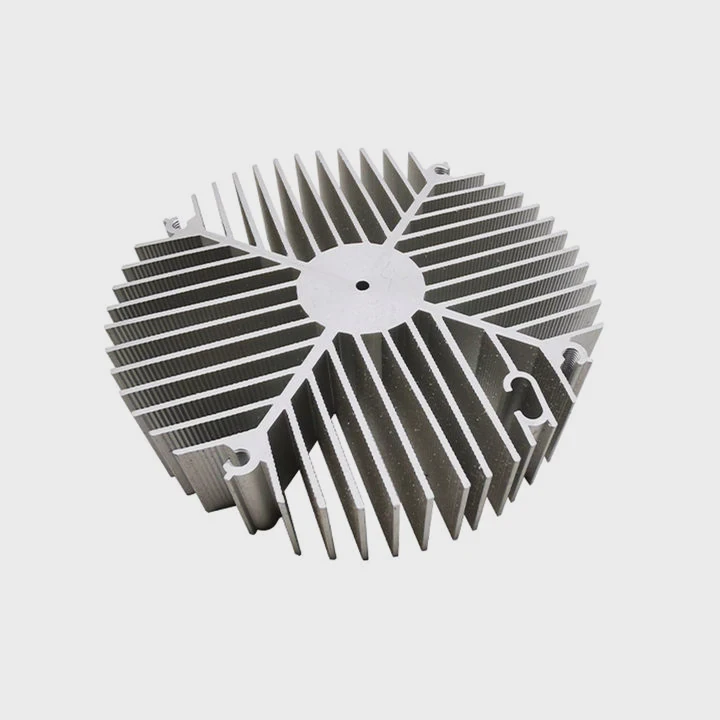
Vapor chambers are essentially sealed thermosiphons. Any gas or moisture introduced after sealing affects capillary action and phase-change efficiency. That’s why even a 1% vacuum loss can drop thermal performance sharply.
Vacuum failure risk by joining type
High Integrity Methods
- Laser Welding: Melts base material into a single, fused joint. If done right, there are no microchannels for leaks.
- Diffusion Bonding: Joins at the atomic level under vacuum or inert gas. Ideal for exotic metals or aerospace.
Medium Integrity Methods
- Brazing: Some porosity can develop, but modern brazing under controlled atmosphere reduces this risk.
- Solder Sealing: Flux or oxide layers may trap air bubbles or degrade over time.
Low Integrity Methods
- Mechanical Fastening: No true seal, only friction and gasket. Not used in sealed vapor chambers.
Leak prevention strategy
- Use helium mass spectrometry for leak detection.
- Apply post-weld baking to remove absorbed gases.
- Design overlap joints or multi-pass welds for added safety.
- Avoid dissimilar metals that expand differently.
Vacuum integrity isn’t only about sealing once. It’s about surviving years of thermal cycling, mechanical stress, and storage without degradation.
Can hybrid joining improve durability and strength?
Some applications push both structural and thermal limits—like high-G aerospace modules or high-frequency 5G chips. One joining method alone may not be enough.
Yes, hybrid joining—such as laser welding with structural bonding or brazing—can improve durability by combining strength, flexibility, and thermal stability.
Hybrid joining means using more than one method in a single assembly. For instance, a vapor chamber might use laser welding to seal the perimeter, and a thin solder layer to fix the wick support plate.
Hybrid joining examples
1. Laser + Solder
- Use case: Seal perimeter with laser, attach inner components with solder.
- Benefit: Strong seal with flexible support.
2. Diffusion Bonding + Mechanical Frame
- Use case: Diffusion bond heat spreader; screw outer frame to device chassis.
- Benefit: Reliable bond with modular design.
3. Laser + Epoxy
- Use case: Laser-weld metal body, epoxy bond to non-metal heat sinks.
- Benefit: Combines metal sealing with design flexibility.
Pros and cons of hybrid joining
| Hybrid Setup | Advantage | Risk |
|---|---|---|
| Laser + Solder | Strong outer seal, easy wick fixing | Voids from solder underfill |
| Laser + Epoxy | Combines thermal and mechanical bonds | Epoxy may outgas in vacuum |
| Solder + Clamp | Fast setup, low tooling | Poor long-term seal |
Hybrid approaches allow engineers to target different performance zones within one part. But they require precise planning—each method must complement the other without introducing new failure points.
Conclusion
Choosing the best joining method for vapor chambers depends on the balance between vacuum performance, structural strength, and production speed. Laser welding stands out for high-integrity sealing, while hybrid methods expand design possibilities for demanding applications.
TAGS
Latest Articles

Volume discount levels for heat sink orders?
Buyers often ask when heat sink prices start to drop with volume. Many worry they’re overpaying for small orders. This guide explains how B2B volume pricing works for thermal components. Heat sink
21 Dec,2025
Heat sink long-term supply contract options?
Many buyers want stable pricing and reliable delivery for heat sinks. But without a clear contract, risks grow over time. This article explores how to secure better long-term supply deals. Long-term
21 Dec,2025
Tooling cost for new heat sink profiles?
Many engineers struggle to understand why tooling for custom heat sinks costs so much. They worry about budgeting and production timelines. This article breaks down the cost drivers behind tooling.
21 Dec,2025
Heat sink custom sample process steps?
Sometimes, starting a custom heat sink project feels overwhelming—too many steps, too many unknowns, and too many risks. You want a sample, but not endless delays. The process for requesting and
20 Dec,2025
Standard B2B terms for heat sink payments?
When buyers and sellers in B2B heat sink markets talk about payment, many don’t fully understand what’s standard. This can lead to delayed orders, miscommunication, and even lost business
20 Dec,2025
Heat sink pricing factors for large orders?
Heat sinks are vital for many systems. When prices rise, projects stall and budgets break. This problem can hit teams hard without warning. Large order heat sink pricing depends on many factors. You
20 Dec,2025Related Articles
- Vapor Chamber impact on GPU performance?
- Vapor Chamber support for AI chips?
- How thin can Vapor Chamber be?
- How to assemble Vapor Chamber prototypes?
- Vapor Chamber heat spreading efficiency?
- Vapor Chamber ducting requirements?
- Vapor Chamber lifecycle assessment data?
- Environmental impact of Vapor Chamber disposal?
- Vapor Chamber use in hydrogen energy systems?
- How to choose Vapor Chamber thickness?
- Does Vapor Chamber increase performance stability?
- Vapor Chamber for handheld electronics?
Author
Dr. Emily Chen
Chief AI Researcher
Leading expert in thermal dynamics and AI optimization with over 15 years of experience in data center efficiency research.
Categories
Latest Products






Recommend Categories
- Liquid cooling plate Manufacturer
- Industrial Heat Sink Manufacturer
- Standard Heat Sink Manufacturer
- Aluminum Heat Sink Manufacturer
- Copper Heat Sink Manufacturer
- Anodized Heatsink Manufacturer
- Stamping heat sink Manufacturer
- Die Casting Heatsink Manufacturer
- Soldering heat sink Manufacturer
- CNC Parts Manufacturer
Latest Products
- Wholesale Aluminum Radiator
- Water Cooling Plate Kit
- Water Cooling Heat Sink
- Water Cooling Heat Sink Kit
- Stainless Steel Water Distributor
- Server Water Cooling Plate Kit
- Server Liquid Cooling System
- Server Aluminum Cooling Kit
- S19 Full Cover Cooling Plate
- S19 Cooling Plate Kit
- S19 Aluminum Cooling Plate
Contact Expert
Have questions about this article? Reach out to our experts directly.