Environmental impact of Vapor Chamber disposal?
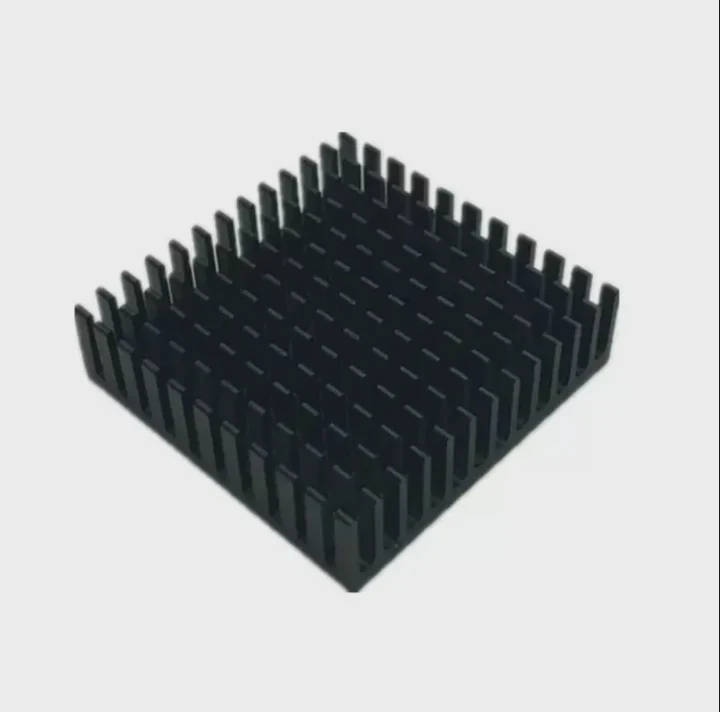
We often talk about how vapor chambers spread heat. But what happens when they’re no longer needed? Ignoring this can lead to toxic waste and lost materials.
Yes. Vapor chambers can impact the environment after disposal, especially if not properly separated, treated, or recycled. Many components pose risks if left unmanaged.
Let’s look at what happens after vapor chambers are discarded and how manufacturers and engineers can handle them more responsibly.
What happens to Vapor Chambers after disposal?
Thermal components are removed, replaced, and tossed. But where do they go?
Most vapor chambers end up in landfill or general scrap unless separated for metal recovery. Many are not processed properly due to lack of awareness or infrastructure.
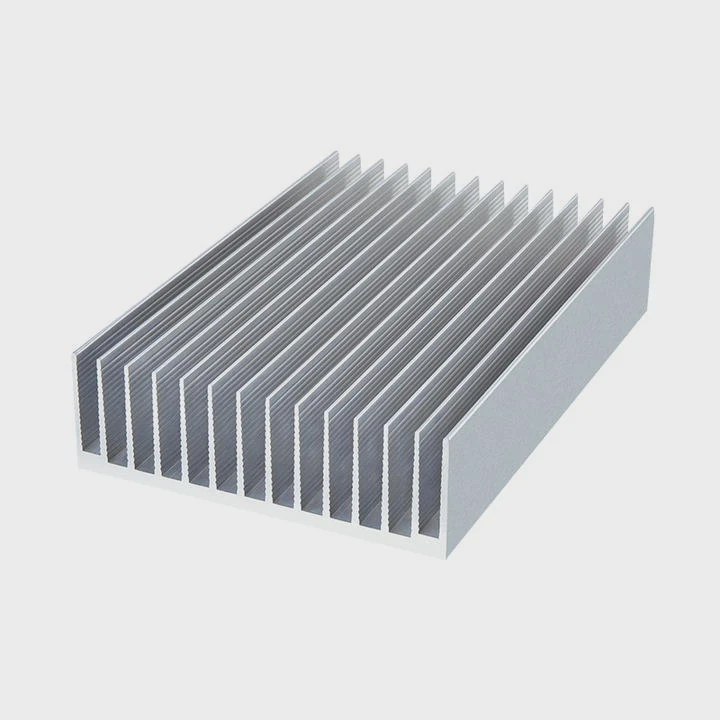
Once removed from electronics or industrial machines, vapor chambers are often viewed as scrap metal. Some may go to recycling, but many are not. This is because their layered structure makes them harder to sort and separate. Most vapor chambers are sealed units, with no clear labeling for internal contents or recovery value.
When dumped in landfill, the outer metals (copper or aluminum) degrade slowly. Inside, working fluids may leak. Some fluids evaporate harmlessly, while others could contaminate soil or groundwater depending on their chemical makeup.
High-performance vapor chambers sometimes include sintered metals, adhesives, wick materials, or nano-fluids. These complicate waste management further.
Municipal recycling systems often lack tools to deal with such multi-layer heat devices. They treat them as general e-waste or metal waste, missing recovery opportunities.
Thermal parts that reach industrial metal recovery often get shredded and melted, which is energy-intensive and not optimized for reclaiming small components like wick meshes or fluids.
That means large amounts of valuable copper, aluminum, and specialty coatings go to waste. And residual chemicals pose an environmental burden over time.
Manufacturers should rethink design-for-recovery when creating vapor chambers. Labelling components, using recoverable fluids, and designing with easy disassembly in mind could change what happens at the end of a vapor chamber’s life.
Are there harmful materials in used chambers?
Some think of vapor chambers as pure metal parts. But are they really that safe?
Yes. Used vapor chambers may contain harmful materials, including residual fluids, adhesives, or oxidized metals. These pose environmental and health risks if not properly managed.
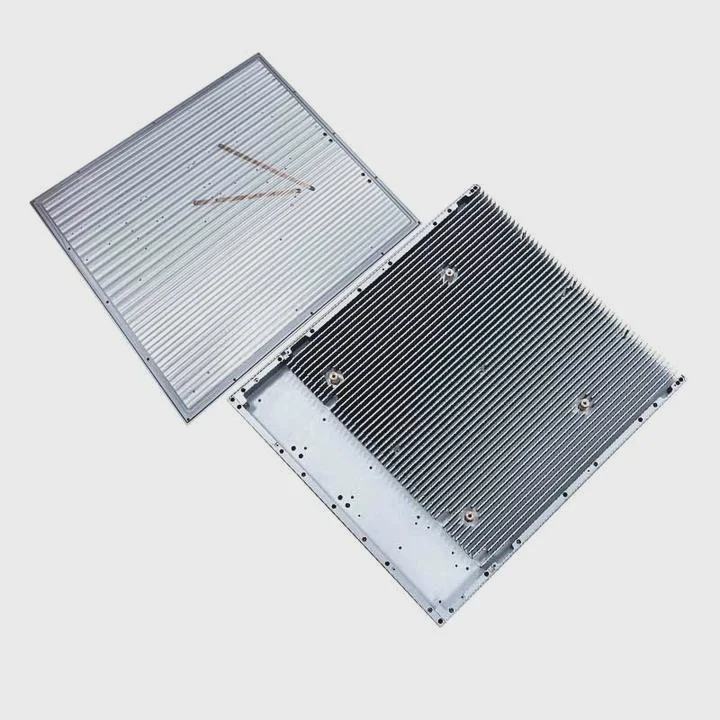
Most vapor chambers use water-based fluids, but some use alcohols, refrigerants, or even custom chemical blends. While water evaporates cleanly, other fluids do not. Alcohol-based fluids can be flammable. Some refrigerants break down into harmful byproducts when burned.
Also, copper or aluminum components may oxidize after long-term use, releasing metal ions into the environment. Corroded copper can leach into soil or water, harming microorganisms and plant life.
Adhesives used in multi-material chambers may contain epoxy resins or synthetic polymers. These don’t decompose easily. When vapor chambers are incinerated, such adhesives release toxic fumes.
Some high-performance models also contain nano-coatings or wick treatments. These include carbon-based particles or chemical surfactants. Though present in small amounts, they can still accumulate over time if many units are disposed of improperly.
Furthermore, during dismantling, if pressure inside sealed vapor chambers isn’t released carefully, fluids might leak or spray unexpectedly, posing safety hazards to workers.
Below is a list of common materials and their environmental risks:
Harmful Materials in Used Vapor Chambers
| Material/Component | Potential Risk | Disposal Concern |
|---|---|---|
| Alcohol-based fluids | Flammable; possible air emissions | Requires controlled burning/disposal |
| Fluorinated refrigerants | Breakdown into greenhouse gases | Must avoid incineration |
| Copper oxides | Soil/water contamination | Heavy metal regulation |
| Epoxy adhesives | Releases toxins when burned | Should avoid landfill or incineration |
| Nano-coatings | Unknown long-term environmental impact | Limited data, requires caution |
It’s not that every vapor chamber is a hazard, but the mix of materials requires more attention than simple metal scrap treatment.
Can parts be separated for recycling?
Many devices are hard to take apart. Is it the same for vapor chambers?
Yes. Vapor chambers can be separated for recycling, but the process is often manual and not yet widely adopted due to labor cost and limited recyclability of small components.
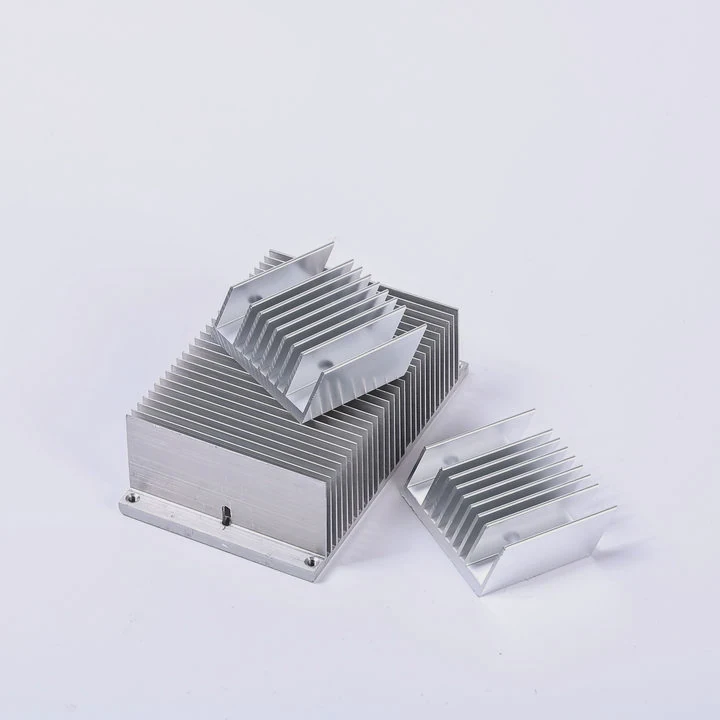
A typical vapor chamber is built from two metal plates — often copper or aluminum — joined by welds or brazing. Inside, there’s a wick structure (like sintered mesh, grooved channels, or powder) and a working fluid.
To recycle properly, the chamber must first be punctured in a controlled way to vent any fluid. Then, the unit must be opened without damaging the metal layers. This is difficult because the welding or bonding is permanent. Special tools or heat may be needed to separate parts.
Once opened, the fluid should be captured and neutralized. Then, the wick structure can be removed. If it’s made from copper mesh, it might be recyclable. If it’s a ceramic or treated powder, it may not be.
Most recyclers focus on outer shells — thick copper or aluminum. These can go into standard metal recycling streams. But the wick and fluids are often discarded as waste unless specialized recovery lines exist.
To make this better, manufacturers could design for disassembly. Use screws or clamps instead of welds where possible. Label fluids and internal materials. This helps recyclers sort parts correctly.
Challenges and Opportunities in Vapor Chamber Recycling
| Step | Challenge | Solution |
|---|---|---|
| Fluid Venting | Risk of leak, fire, or contamination | Use vent valves or pre-disposal ports |
| Chamber Opening | Permanent seals make separation hard | Design with mechanical fasteners |
| Wick Removal | Difficult to extract without damage | Use recyclable wick materials |
| Material Sorting | Lack of labeling or specs | Label all parts clearly |
If more manufacturers design vapor chambers with recycling in mind, recovery rates could improve and environmental impact could drop significantly.
Are there safe disposal guidelines for manufacturers?
Every industry needs rules. What about vapor chambers?
Yes. There are general guidelines for electronic waste, but specific disposal standards for vapor chambers are limited. Manufacturers should adopt internal safety protocols and label chambers for responsible handling.
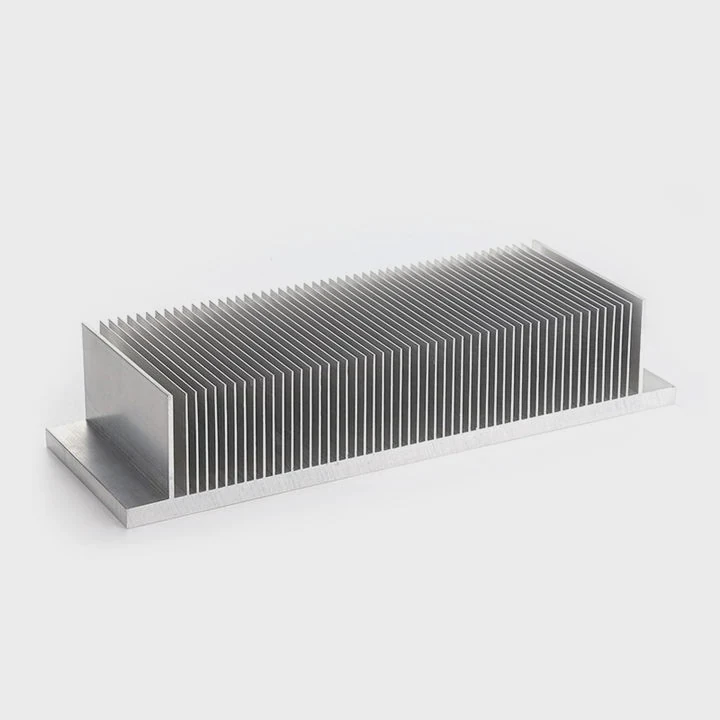
Most vapor chambers fall under broader electronic waste (e-waste) categories in regulation systems like WEEE (EU), RCRA (USA), or RoHS directives. These cover heavy metals, halogens, and banned substances.
But few laws directly address sealed passive thermal components. This leaves gaps in enforcement and best practices.
Forward-thinking manufacturers are setting internal standards. These include:
- Releasing pressure before disposal.
- Collecting residual fluids safely.
- Separating copper and aluminum for recycling.
- Providing documentation with material composition.
- Avoiding banned substances like lead solder or halogenated adhesives.
Also, product documentation often includes end-of-life instructions — not just for users but for recyclers and waste handlers. These can include disassembly diagrams, fluid identification, and safety data.
For high-risk or hazardous fluids, manufacturers should also register with local waste authorities and provide guidance for handling chambers in bulk disposal settings.
Industry groups are also beginning to issue whitepapers on thermal component disposal. These documents recommend safety gear, ventilation, and specific cutting techniques to avoid hazards during dismantling.
Ultimately, the safest route is to combine design-for-recycling with clear labeling and transparent material disclosure.
Summary Table: Manufacturer Disposal Guidelines
| Practice | Why It Matters |
|---|---|
| Fluid identification & labeling | Prevents exposure, helps recyclers |
| Disassembly instructions | Reduces risk of improper cutting |
| Use of non-toxic fluids | Simplifies disposal process |
| Material transparency | Allows proper waste classification |
| Compliance with e-waste laws | Avoids penalties, improves brand trust |
If manufacturers take the lead, recyclers and waste handlers can follow more safely and effectively.
Conclusion
Vapor chambers offer clean thermal performance in life, but may cause hidden problems after disposal. Their design, materials, and fluids matter — not just for function, but for end-of-life handling. Smarter design and clearer guidelines can turn vapor chamber waste from a problem into a new material resource.
TAGS
Latest Articles

Volume discount levels for heat sink orders?
Buyers often ask when heat sink prices start to drop with volume. Many worry they’re overpaying for small orders. This guide explains how B2B volume pricing works for thermal components. Heat sink
21 Dec,2025
Heat sink long-term supply contract options?
Many buyers want stable pricing and reliable delivery for heat sinks. But without a clear contract, risks grow over time. This article explores how to secure better long-term supply deals. Long-term
21 Dec,2025
Tooling cost for new heat sink profiles?
Many engineers struggle to understand why tooling for custom heat sinks costs so much. They worry about budgeting and production timelines. This article breaks down the cost drivers behind tooling.
21 Dec,2025
Heat sink custom sample process steps?
Sometimes, starting a custom heat sink project feels overwhelming—too many steps, too many unknowns, and too many risks. You want a sample, but not endless delays. The process for requesting and
20 Dec,2025
Standard B2B terms for heat sink payments?
When buyers and sellers in B2B heat sink markets talk about payment, many don’t fully understand what’s standard. This can lead to delayed orders, miscommunication, and even lost business
20 Dec,2025
Heat sink pricing factors for large orders?
Heat sinks are vital for many systems. When prices rise, projects stall and budgets break. This problem can hit teams hard without warning. Large order heat sink pricing depends on many factors. You
20 Dec,2025Related Articles
- Vapor Chamber lifecycle assessment data?
- Best joining method for Vapor Chamber?
- Vapor Chamber impact on GPU performance?
- Vapor Chamber support for AI chips?
- How thin can Vapor Chamber be?
- How to assemble Vapor Chamber prototypes?
- Vapor Chamber use in hydrogen energy systems?
- How to choose Vapor Chamber thickness?
- Does Vapor Chamber increase performance stability?
- Vapor Chamber for handheld electronics?
- Can Vapor Chamber reduce overheating issues?
- Vapor Chamber bonding adhesive requirements?
Author
Dr. Emily Chen
Chief AI Researcher
Leading expert in thermal dynamics and AI optimization with over 15 years of experience in data center efficiency research.
Categories
Latest Products






Recommend Categories
- Liquid cooling plate Manufacturer
- Industrial Heat Sink Manufacturer
- Standard Heat Sink Manufacturer
- Aluminum Heat Sink Manufacturer
- Copper Heat Sink Manufacturer
- Anodized Heatsink Manufacturer
- Stamping heat sink Manufacturer
- Die Casting Heatsink Manufacturer
- Soldering heat sink Manufacturer
- CNC Parts Manufacturer
Latest Products
- Wholesale Aluminum Radiator
- Water Cooling Plate Kit
- Water Cooling Heat Sink
- Water Cooling Heat Sink Kit
- Stainless Steel Water Distributor
- Server Water Cooling Plate Kit
- Server Liquid Cooling System
- Server Aluminum Cooling Kit
- S19 Full Cover Cooling Plate
- S19 Cooling Plate Kit
- S19 Aluminum Cooling Plate
Contact Expert
Have questions about this article? Reach out to our experts directly.