Vapor Chamber for handheld electronics?
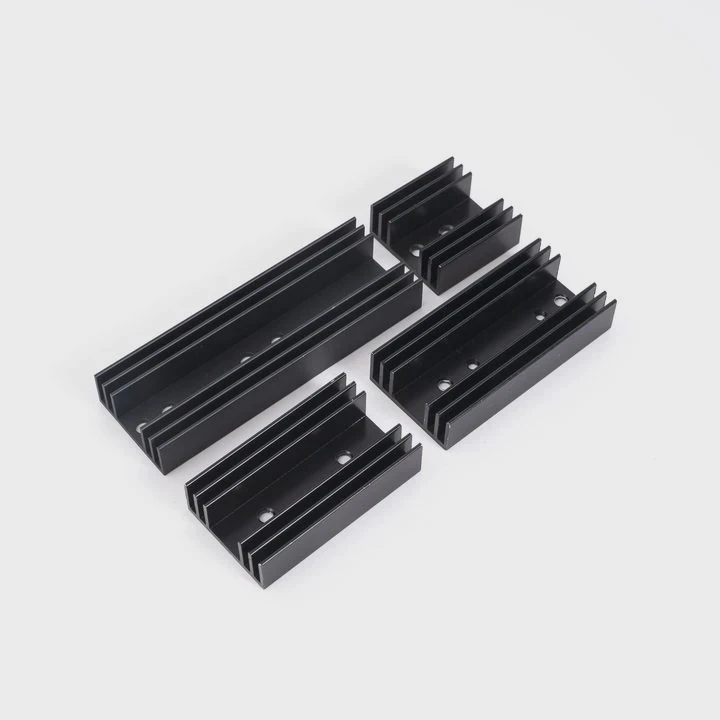
The heat in slim devices grows fast. Many gadgets run hot under load. Vapor chambers may offer a quiet, efficient heat escape path.
Vapor chambers can bring strong cooling to handheld electronics when designed thin enough. They help control temperature without big fans or loud noise.
Use of chambers does not suit every product or need. The rest of this article explores when vapor chambers work for portable gadgets and when they do not.
Are Vapor Chambers used in portable electronics?
Handheld electronics often must stay thin, light, and quiet. Cooling still matters. Vapor chambers are used in some laptops and gaming handhelds already.
Yes, vapor chambers are sometimes used in portable electronics — especially performance‑heavy handhelds needing effective heat spread without active fans.
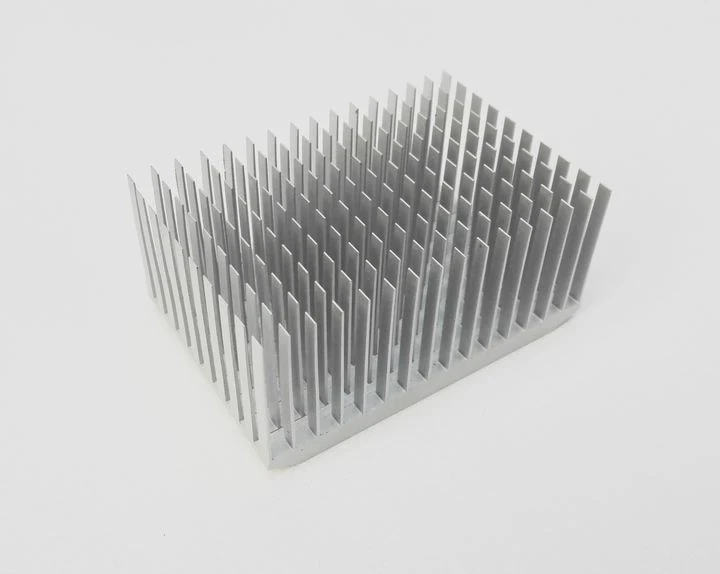
Many portable electronics rely on passive cooling or small fans. Vapor chambers offer a flat, thin method to spread heat across larger area. That can help avoid hot spots, lower surface temperature, and improve device comfort and reliability.
Why some portable devices choose vapor chambers
- Vapor chambers are thin and flat, so they fit slim bodies.
- They distribute heat over wide area, reducing peak temperature.
- They allow quieter designs — no large fans needed.
- They help maintain stable performance under heavy workload (gaming, continuous video, heavy compute).
In gadgets that push CPUs or GPUs — gaming handhelds, high‑end tablets, mini laptops — heat can build fast. A small fan or passive cooling may not be enough. Vapor chambers give a more effective spread compared to simple metal plates.
At the same time, vapor chambers add cost, design complexity, and may require quality assurance (for leak proofing, long‑term reliability). Manufacturers only use them when benefits outweigh cost and design effort.
Here is a table to show which kinds of portable devices might use vapor chambers:
| Device Type | Typical Thermal Load | Likely Use of Vapor Chamber? |
|---|---|---|
| Basic smartphone / tablet | Low to moderate | Rare |
| Gaming handheld / mini PC | High (heavy GPU/CPU) | Common |
| Mini laptop / ultraportable | Moderate to high | Sometimes |
| Rugged industrial handheld | Moderate | Sometimes (depending on design) |
Vapor chamber use remains selective. Many smartphones still rely on simple heat pipes or metal sheets because their power and heat levels remain manageable.
In conclusion, vapor chambers already serve some portable electronics. Their adoption depends on thermal load, product cost target, device size, and reliability requirements.
Can small devices integrate thin Vapor Chambers?
Many portable devices aim for minimal thickness. Vapor chambers must conform to that. The good news: modern vapor chambers can be very thin, sometimes just a few millimeters thick.
Yes, small devices can integrate thin vapor chambers — but design must balance chamber thickness, device geometry, and performance needs.
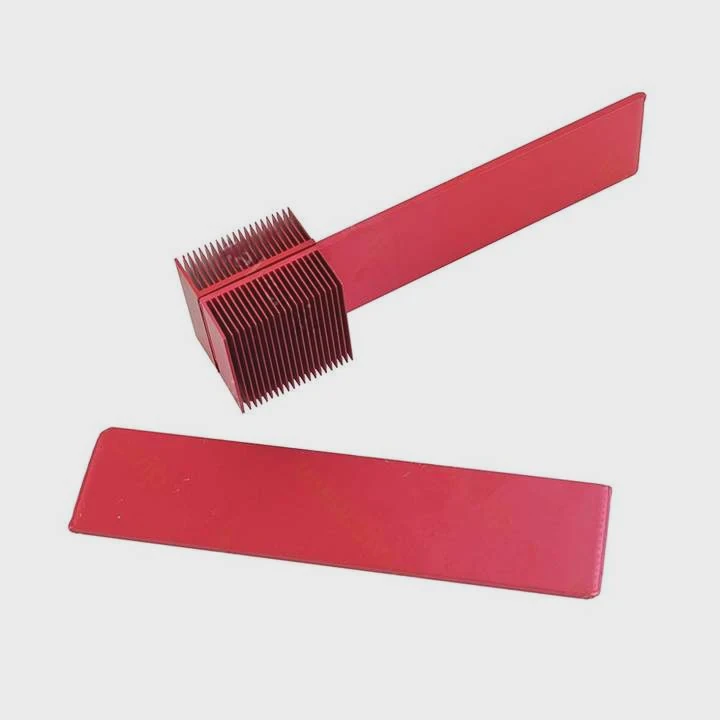
Thin vapor chambers rely on precise manufacturing. They use thin metal walls, fine wick structures, and careful sealing to keep internal vapor and avoid leaks. In small gadgets designers can shape chamber around main board or battery area.
What defines “thin enough” for small devices
- Chamber thickness (often 1–3 mm)
- Flexibility in shape — flat or slightly curved to match board layout
- Low weight — adding minimal mass to keep portability
- Reliable seal and corrosion‑resistant materials
For small smartphones or ultra‑slim tablets, a 1‑2 mm thick chamber might fit under the rear cover. For gaming handhelds or small laptops, a slightly thicker chamber may go across CPU/GPU area and connect to metal frame or shell for heat dissipation.
Challenges with thin vapor chambers
Several issues arise when shrinking chamber size:
- Manufacturing precision: Small chambers need tight tolerances. Slight error can cause leaks or reduced performance.
- Assembly constraints: Space inside the device is tight. Chamber must avoid interfering with battery, components, ports.
- Thermal performance: A thinner chamber has less volume for internal vapor flow and less internal space for wick structure. That can limit heat transport capacity.
- Cost: Thin, precise chambers cost more per unit than simple heat spreaders or small heat pipes.
When thin chambers make sense
Thin vapor chambers work well when device heat output is moderate to high and concentrated in small region (e.g. CPU/GPU). Use cases:
- Gaming handhelds under sustained load — chamber helps spread heat quickly.
- Mini PCs or handheld consoles with dense boards.
- Tablets with heavy processors used for rendering, video editing, or long video streaming.
Thin chambers lose appeal when thermal load is low, or device price aims downward. Then simpler solutions (metal plate, heat pipe, graphite sheet) may suffice.
In short, thin vapor chambers are technically possible and already used in some compact electronics. Integration requires careful design and quality control.
What power limits apply in handheld products?
Handheld devices run on batteries or limited power supplies. Cooling design must match power use. Vapor chambers help, but only up to certain thermal loads.
Power limits depend on chamber size, thickness, and internal design; generally handheld devices stay in moderate power band where vapor chamber cooling can handle heat without fans.
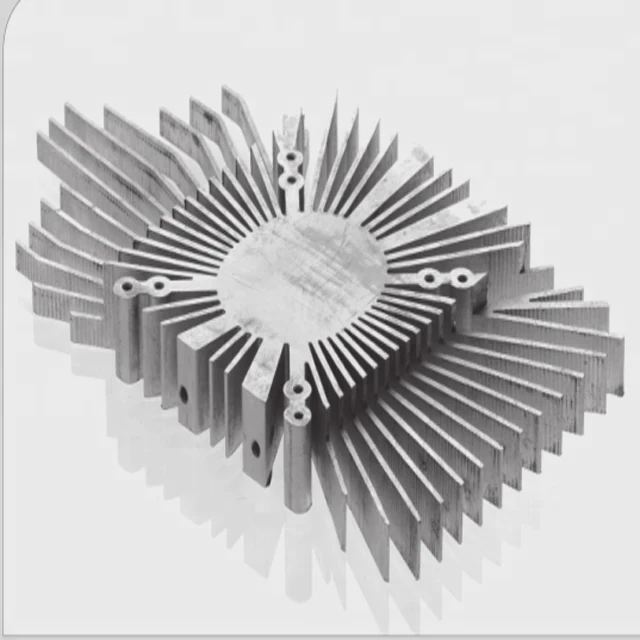
A vapor chamber spreads heat, but it does not generate cooling by itself. It moves heat from hot components to a broader surface or shell. If heat generation is modest (for example 5–15 watts in typical mobile SoCs), vapor chamber may suffice. When power spikes higher (20–30+ W sustained), heat spread alone may not prevent thermal throttling or shell heating.
Typical power range and chamber performance
| Power Level (device) | Cooling Challenge | Heat‑spreader needed |
|---|---|---|
| < 5 W | Low heat, easy passive cooling | Metal sheet or graphite flex |
| 5 – 15 W | Moderate heat, short bursts | Thin vapor chamber or heat pipes |
| 15 – 25 W (sustained) | High heat, long workload | Vapor chamber with shell dissipation; may need fan |
| > 25 W sustained | Very high heat, constant load | Vapor chamber + active cooling |
For typical smartphones, tablets, or low‑power handhelds, power rarely exceeds 10–12 W. In these cases, vapor chamber or graphite sheet works well. For gaming handhelds or powerful mini‑PCs, when CPU or GPU draws 15–25 W or more, vapor chamber gives room to move heat — but may need help from shell heat spread or small fan.
If power usage is high and sustained, vapor chamber alone may not suffice. Then devices risk overheating, skin temperature rising, throttling performance, or battery stress.
When designing handheld electronics, thermal team must consider:
- Peak power draw and how long it lasts
- Surface area available for heat dissipation (device outer shell)
- Comfort and safety limits for touch surfaces (device should not exceed safe skin temperature)
- Battery constraints — high power drains battery fast and increases internal heat
If the device pushes sustained high power, designers may need hybrid cooling: vapor chamber + fan + large shell area. That increases cost and thickness.
Thus vapor chamber suits handheld devices with moderate to moderately high power, especially when silence and slimness matter. Designers must respect power limits to ensure performance and user comfort.
Do phones or tablets benefit from chamber cooling?
Phones and tablets often aim for slimness, low cost, and battery life. Heat load may not always be high. But cooling still affects comfort, performance, and longevity. Vapor chamber can help under certain conditions.
Yes — phones or tablets can benefit from chamber cooling, but only when workload and device design justify the cost and complexity.
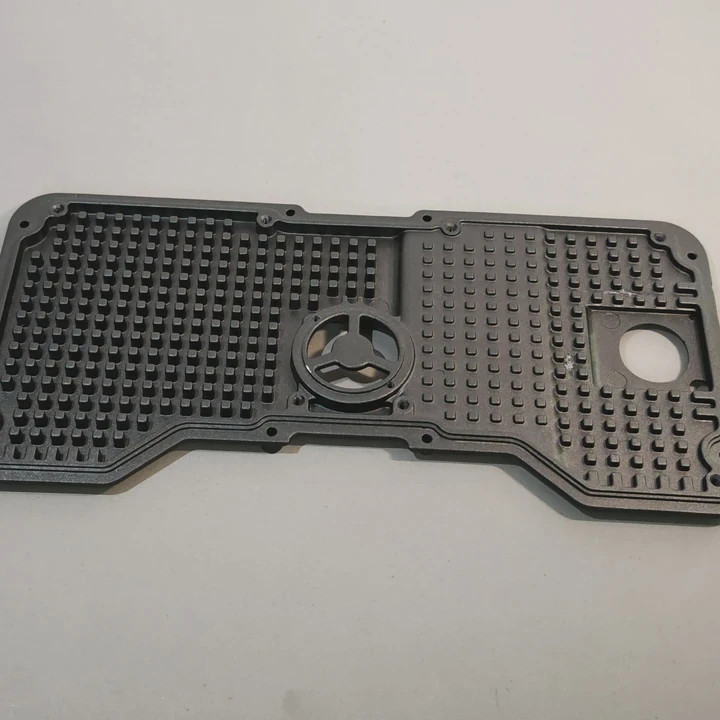
Phones and tablets do not always run heavy loads. When tasks are light — browsing, calls, video — heat is manageable. In those use cases, simple thermal solutions (graphite sheet, metal spreader) often suffice. Vapor chamber adds cost without much benefit.
But when devices run demanding tasks — long video editing, gaming, heavy compute, 5G modem under load — heat spikes. Vapor chamber helps to spread heat throughout device body and avoid hot spots. That improves thermal performance and user comfort (device stays cooler to touch).
Where vapor chamber helps phones/tablets
- Heavy gaming sessions under high GPU/CPU load
- Video rendering, livestreaming, extended camera/video recording
- 5G data streaming with high modem power usage
- Applications with high sustained load over long periods
In these cases, vapor chamber helps maintain consistent performance. Without it, device may throttle CPU/GPU to avoid overheating. That leads to reduced performance, poor user experience.
When vapor chamber may not justify cost
- Light use devices (calls, browsing, casual apps) — heat is low, cooling not critical
- Low‑cost segment where adding chamber increases BOM (bill of materials) cost too much
- Devices prioritizing battery life and weight over peak performance — vapor chamber adds some mass and may marginally reduce battery time due to possible extra frame or shell mass
Decision factors for phone & tablet makers
Some makers evaluate benefit vs cost by testing prototypes with and without vapor chamber under heavy load. If temperature difference and stability justify cost, they include it. Otherwise they skip.
Often benefit is measured in:
- Lower maximum surface temperature (better user touch comfort)
- Less thermal throttling under sustained load (better performance)
- Better heat distribution (less hotspot-related failures)
When these advantages align with product positioning (e.g. premium devices, gaming tablets, high‑performance cameras), vapor chamber adds real value.
Phones and tablets for casual use or tight cost budgets rarely benefit enough to justify the extra cost and complexity.
Conclusion
Vapor chamber cooling works well for handheld electronics when heat and performance demand is moderate to high. Designers must check device size, power load, surface area, cost, and user comfort. For gaming handhelds, powerful tablets or mini‑PCs, chamber cooling offers real benefit. For basic smartphones and tablets, simpler cooling remains more cost‑effective.
TAGS
Latest Articles

Volume discount levels for heat sink orders?
Buyers often ask when heat sink prices start to drop with volume. Many worry they’re overpaying for small orders. This guide explains how B2B volume pricing works for thermal components. Heat sink
21 Dec,2025
Heat sink long-term supply contract options?
Many buyers want stable pricing and reliable delivery for heat sinks. But without a clear contract, risks grow over time. This article explores how to secure better long-term supply deals. Long-term
21 Dec,2025
Tooling cost for new heat sink profiles?
Many engineers struggle to understand why tooling for custom heat sinks costs so much. They worry about budgeting and production timelines. This article breaks down the cost drivers behind tooling.
21 Dec,2025
Heat sink custom sample process steps?
Sometimes, starting a custom heat sink project feels overwhelming—too many steps, too many unknowns, and too many risks. You want a sample, but not endless delays. The process for requesting and
20 Dec,2025
Standard B2B terms for heat sink payments?
When buyers and sellers in B2B heat sink markets talk about payment, many don’t fully understand what’s standard. This can lead to delayed orders, miscommunication, and even lost business
20 Dec,2025
Heat sink pricing factors for large orders?
Heat sinks are vital for many systems. When prices rise, projects stall and budgets break. This problem can hit teams hard without warning. Large order heat sink pricing depends on many factors. You
20 Dec,2025Related Articles
- Does Vapor Chamber increase performance stability?
- How to choose Vapor Chamber thickness?
- Vapor Chamber use in hydrogen energy systems?
- Environmental impact of Vapor Chamber disposal?
- Vapor Chamber lifecycle assessment data?
- Best joining method for Vapor Chamber?
- Can Vapor Chamber reduce overheating issues?
- Vapor Chamber bonding adhesive requirements?
- Typical porosity limits for Vapor Chamber material?
- Vapor Chamber for flexible electronics?
- Can Vapor Chamber improve battery safety?
- Vapor Chamber for industrial automation systems?
Author
Dr. Emily Chen
Chief AI Researcher
Leading expert in thermal dynamics and AI optimization with over 15 years of experience in data center efficiency research.
Categories
Latest Products






Recommend Categories
- Liquid cooling plate Manufacturer
- Industrial Heat Sink Manufacturer
- Standard Heat Sink Manufacturer
- Aluminum Heat Sink Manufacturer
- Copper Heat Sink Manufacturer
- Anodized Heatsink Manufacturer
- Stamping heat sink Manufacturer
- Die Casting Heatsink Manufacturer
- Soldering heat sink Manufacturer
- CNC Parts Manufacturer
Latest Products
- Wholesale Aluminum Radiator
- Water Cooling Plate Kit
- Water Cooling Heat Sink
- Water Cooling Heat Sink Kit
- Stainless Steel Water Distributor
- Server Water Cooling Plate Kit
- Server Liquid Cooling System
- Server Aluminum Cooling Kit
- S19 Full Cover Cooling Plate
- S19 Cooling Plate Kit
- S19 Aluminum Cooling Plate
Contact Expert
Have questions about this article? Reach out to our experts directly.