Vapor Chamber use in hydrogen energy systems?
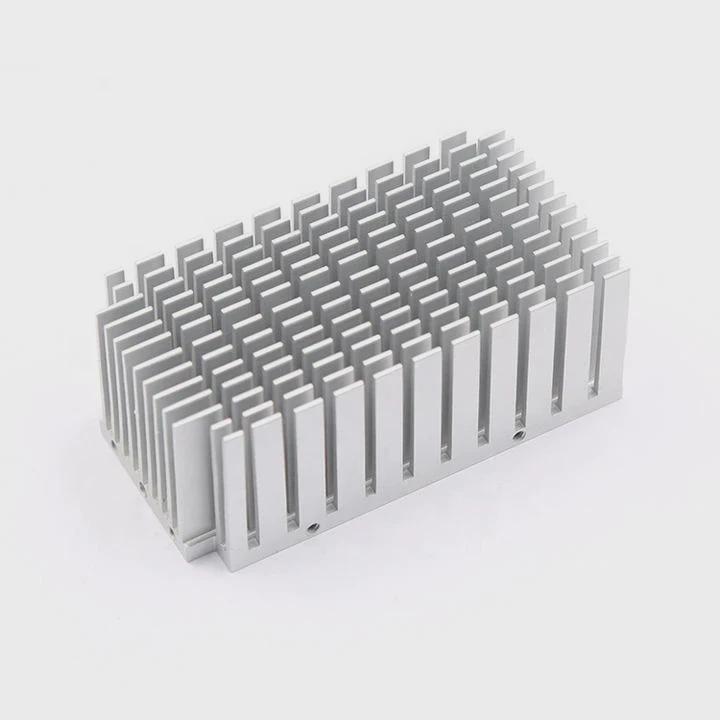
When hydrogen systems run hot, thermal control becomes critical. Without proper cooling, efficiency drops and components age fast.
Vapor Chamber cooling can help manage heat in hydrogen‑energy systems by spreading and dissipating heat efficiently, supporting both fuel cells and power electronics.
This article explores whether vapor chambers suit hydrogen tech. We cover their use, benefits, risks, and material limits.
Is Vapor Chamber cooling used in hydrogen tech?
Many hydrogen energy systems — especially those using fuel cells or power electronics — generate heat during operation. In many cases designers already pair them with heat sinks or liquid cooling. Vapor chambers appear less common so far in public literature.
Vapor Chamber cooling is not yet widespread in hydrogen tech, but it holds promise for heat‑dense modules where traditional cooling is bulky or inefficient.
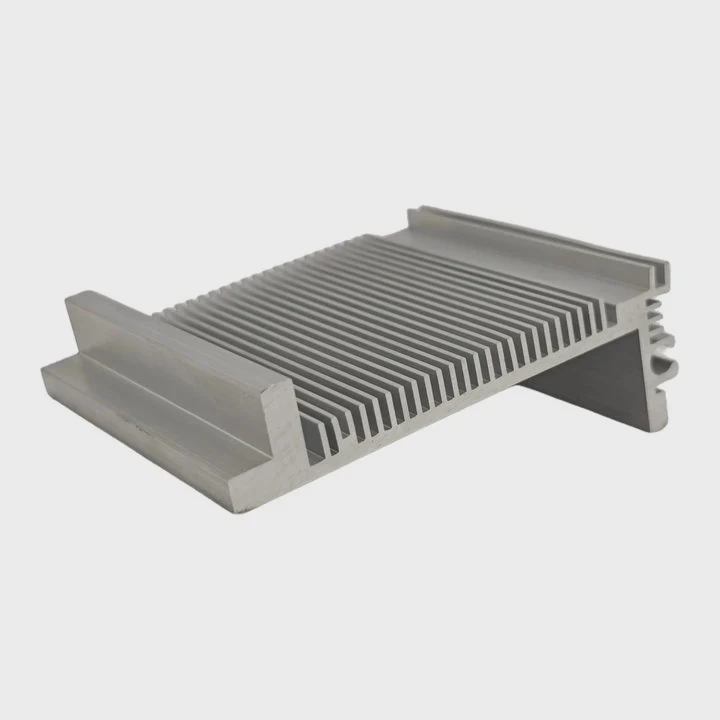
Hydrogen systems combine various parts: fuel cell stacks, power electronics (inverters, controllers), compressors, valves, and sometimes storage or heat recovery modules. Many of those operate under high load and generate local hot spots. Traditional passive cooling (like heat sinks or case vents) can work when space is ample. But hydrogen systems often prioritize compactness, low mass, or sealed enclosures (for safety or humidity control). In those scenarios, vapor chambers could offer a compact, low-profile thermal solution. They can spread heat over a larger surface, allowing smaller radiators or heat sinks to manage the load.
One reason vapor chambers remain rare might be conservative design choices. Engineers designing hydrogen systems often prioritize reliability, low leakage, and proven components. Vapor chambers (typically used in electronics cooling) represent a newer approach for hydrogen hardware. That means more testing is required before adoption. Also, hydrogen‑system companies may fear introducing components that could interfere with gas tightness, safety, or maintenance routines.
Still, for new designs — especially modular hydrogen power units, portable fuel cell packs, or compact electrolyzers — vapor chambers could offer real benefits. They can help manage transient heat spikes (e.g. during startup or load changes). They can reduce the size of bulky cooling fins. They can also allow more uniform temperature distribution, which reduces thermal stress and improves component life. For these reasons, I expect to see more vapor‑chamber adoption in hydrogen‑energy systems as design cycles evolve.
Do fuel cells benefit from passive thermal control?
Fuel cells produce heat on cell plates, power electronics, and sometimes in compressors or pumps. Managing that heat is critical to efficiency and longevity.
Yes. Fuel cells and related modules benefit from passive thermal control like vapor chambers, especially when load changes are frequent or space is limited.
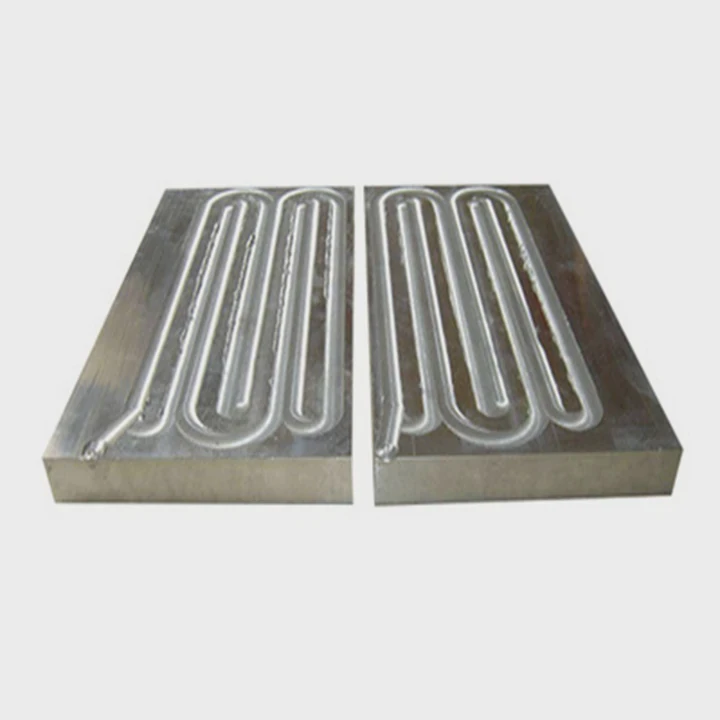
Passive thermal control means using conduction and conduction‑based components (like vapor chambers) rather than fans or liquid loops. That often reduces noise, maintenance, and risk of leaks. For hydrogen systems — which may operate in remote, mobile, or sealed environments — those advantages matter a lot.
Benefits of Passive Cooling for Fuel Cells and Electronics
| Benefit | Why It Matters in Hydrogen Systems |
|---|---|
| No moving parts | Reduces failure risk and maintenance needs |
| Compact form factor | Saves space in compact or mobile hydrogen units |
| Uniform temperature distribution | Minimizes thermal stress, improving longevity |
| Lower noise and vibration | Useful for fuel‑cell systems in vehicles or indoor use |
| Lower leak risk than liquid cooling | Keeps hydrogen system safer and simpler |
Often in fuel‑cell systems, thermal load is steady but can spike during startup or heavy load. Vapor chambers absorb these spikes by spreading heat quickly. Then a radiator or heat exchanger can passively dissipate the heat. That helps avoid temperature gradients that shorten cell life or cause uneven performance.
Passive control works best when the overall thermal load is moderate and when ambient airflow or a heat exchanger is available. For a vehicle fuel cell stack, for example, a vapor chamber could spread waste heat across a large surface. Then a compact external radiator (air or coolant‑based) handles dissipation. That lowers complexity compared to full liquid cooling circuits.
But passive cooling also has limits. When heat loads are very high (e.g. large stacks at full load for long duration), passive dissipation might not suffice. In those cases hybrid cooling (vapor chamber + liquid cooling) might be needed. Designers must calculate worst‑case heat flux, ambient conditions, and required temperature rise. If passive design fails margins, adding fans or coolant loops may remain necessary.
Overall, passive thermal control (via vapor chambers) offers a simpler, lighter way to manage typical heat loads in hydrogen systems. It shines when reliability and compactness matter more than maximal cooling power.
Can Vapor Chambers work in hydrogen-rich environments?
Hydrogen-rich environments raise concerns: hydrogen gas diffusion, hydrogen embrittlement, seals, and interactions with metals or joint materials.
Vapor Chambers can work in hydrogen-rich environments if properly sealed and if hydrogen exposure is limited; careful design and material selection are key.
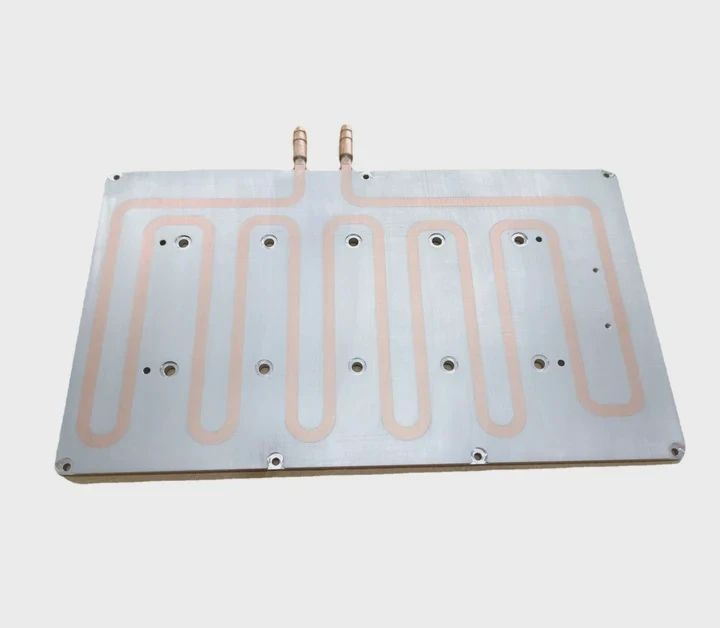
A vapor chamber is basically a sealed metal container with working fluid and wicks inside. In theory, the internal fluid and construction stay isolated from the outside atmosphere. If the chamber is well sealed, hydrogen present outside should not enter the chamber. That means vapor‑chamber function remains unaffected. However, using vapor chambers in hydrogen systems requires attention to two areas: sealing integrity and external exposure of metal or joints.
First, sealing. Hydrogen molecules are extremely small and can leak through micro‑gaps if seals are not perfect. Welded or brazed vapor chambers offer much better sealing than bolted or screen‑sealed ones. Therefore, for hydrogen environments, vapor chambers should use welded seams or diffusion‑bonded joints. Vacuum‑sealed chambers with proper leak testing (e.g. helium leak tests) offer more confidence. Designers must test the final assembly under hydrogen exposure (pressure, humidity, temperature) to ensure no ingress or degradation.
Second, external materials. If a vapor chamber uses aluminum or copper externally, these metals may be exposed to hydrogen. Under some conditions, metals can suffer hydrogen embrittlement or surface reactions (especially in presence of moisture, high pressure, or high voltage). That may cause cracks or corrosion over time. To mitigate that, the external surface must be treated (e.g. anodized aluminum) or coated to resist hydrogen or moisture. Electrical insulation or passivation might also help, especially for power‑electronics modules where stray currents or humidity may combine with hydrogen.
In many hydrogen‑system designs, the vapor chamber might sit inside a sealed electronics compartment, separate from the hydrogen gas flow. That reduces risk significantly. In other designs, especially where space is tight or hydrogen moves around, extra separation or shielding helps — for example, placing the vapor chamber inside a gas‑tight box or behind vapor‑tight membranes.
Finally, maintenance and inspection matter. Since rough handling or vibrations can degrade seals, regular leak checks might be needed if the system frequently experiences pressure changes. For stationary hydrogen installations (like backup power), vapor‑chamber use seems more straightforward. For mobile or refueling systems, design must ensure vibration resistance and seal durability.
All this means vapor chambers can work safely around hydrogen — but only if designers treat sealing and material exposure as design priorities.
Are there material restrictions in hydrogen systems?
Materials near hydrogen must resist leaks, corrosion, embrittlement, and avoid catalytic reactions. That restricts choices for casing, joints, and external structures.
Yes. Material restrictions are real: components must resist hydrogen, avoid embrittlement or corrosion, and maintain structural integrity over time. Aluminum vapor chambers and related ducts must be evaluated carefully before use.
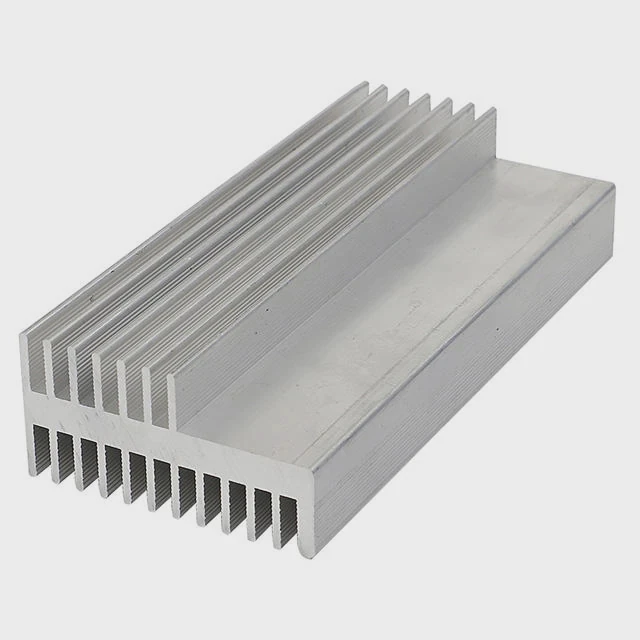
Hydrogen compatibility depends on several factors: pressure, moisture, temperature, contact with catalysts, and mechanical stress. For systems using vapor chambers and related cooling parts, three main material concerns arise: chamber body, joints/sealing, and duct or external metal parts.
Common Material Considerations for Hydrogen Environments
| Component | Typical Material | Risk with Hydrogen | Mitigation Strategy |
|---|---|---|---|
| Vapor chamber body | Aluminum or copper | Embrittlement or corrosion | Use treated surface or alloy resistant to hydrogen |
| Seams / welds / joints | Brazed or welded metals | Leak through micro‑cracks | Use full welds, helium leak test, proper thickness |
| External ducts / cooling fins | Steel or aluminum | Corrosion, hydrogen permeation | Use passivation, coatings, or stainless alloys |
| Gaskets / rubber seals | Rubber / polymers | Hydrogen diffusion or degradation | Use hydrogen‑resistant polymers or metal seals |
Aluminum often used for vapor chambers can perform well in hydrogen environments if properly treated. Anodizing or protective coatings reduce corrosion risk. Copper poses less embrittlement risk but may still corrode under some conditions. Stainless steel is often safest but heavier and costlier. That trade‑off matters in mobile or weight‑sensitive hydrogen systems.
Weld quality matters more than base material. A good weld with full penetration and no porosity lowers leak risk. Designers may choose diffusion bonding or vacuum brazing instead of rivets or screws. After welding, helium or pressure tests verify that no leaks exist. Repeated stress — from vibration or thermal cycling — can open micro‑cracks over time. Therefore periodic inspection may be necessary in systems with frequent start/stop cycles.
For ducts carrying heated air or coolant near hydrogen paths, material selection must avoid catalyzing unwanted reactions. Surfaces must stay clean, as contaminants or moisture can accelerate corrosion or hydrogen interaction.
In sum, using vapor chambers and related metal ducts in hydrogen energy systems is possible. But material choice and quality control are critical. Designers must pick hydrogen‑compatible alloys, ensure sealing, and test for leaks. Only then can these parts deliver long‑term, safe performance.
Conclusion
Vapor Chambers offer a compact, passive way to manage heat in hydrogen energy systems. They can work well for fuel cells and electronics, if sealing and materials meet hydrogen‑system standards. Proper design and testing unlock their full potential.
TAGS
Latest Articles

Volume discount levels for heat sink orders?
Buyers often ask when heat sink prices start to drop with volume. Many worry they’re overpaying for small orders. This guide explains how B2B volume pricing works for thermal components. Heat sink
21 Dec,2025
Heat sink long-term supply contract options?
Many buyers want stable pricing and reliable delivery for heat sinks. But without a clear contract, risks grow over time. This article explores how to secure better long-term supply deals. Long-term
21 Dec,2025
Tooling cost for new heat sink profiles?
Many engineers struggle to understand why tooling for custom heat sinks costs so much. They worry about budgeting and production timelines. This article breaks down the cost drivers behind tooling.
21 Dec,2025
Heat sink custom sample process steps?
Sometimes, starting a custom heat sink project feels overwhelming—too many steps, too many unknowns, and too many risks. You want a sample, but not endless delays. The process for requesting and
20 Dec,2025
Standard B2B terms for heat sink payments?
When buyers and sellers in B2B heat sink markets talk about payment, many don’t fully understand what’s standard. This can lead to delayed orders, miscommunication, and even lost business
20 Dec,2025
Heat sink pricing factors for large orders?
Heat sinks are vital for many systems. When prices rise, projects stall and budgets break. This problem can hit teams hard without warning. Large order heat sink pricing depends on many factors. You
20 Dec,2025Related Articles
- Environmental impact of Vapor Chamber disposal?
- Vapor Chamber lifecycle assessment data?
- Best joining method for Vapor Chamber?
- Vapor Chamber impact on GPU performance?
- Vapor Chamber support for AI chips?
- How thin can Vapor Chamber be?
- How to choose Vapor Chamber thickness?
- Does Vapor Chamber increase performance stability?
- Vapor Chamber for handheld electronics?
- Can Vapor Chamber reduce overheating issues?
- Vapor Chamber bonding adhesive requirements?
- Typical porosity limits for Vapor Chamber material?
Author
Dr. Emily Chen
Chief AI Researcher
Leading expert in thermal dynamics and AI optimization with over 15 years of experience in data center efficiency research.
Categories
Latest Products






Recommend Categories
- Liquid cooling plate Manufacturer
- Industrial Heat Sink Manufacturer
- Standard Heat Sink Manufacturer
- Aluminum Heat Sink Manufacturer
- Copper Heat Sink Manufacturer
- Anodized Heatsink Manufacturer
- Stamping heat sink Manufacturer
- Die Casting Heatsink Manufacturer
- Soldering heat sink Manufacturer
- CNC Parts Manufacturer
Latest Products
- Wholesale Aluminum Radiator
- Water Cooling Plate Kit
- Water Cooling Heat Sink
- Water Cooling Heat Sink Kit
- Stainless Steel Water Distributor
- Server Water Cooling Plate Kit
- Server Liquid Cooling System
- Server Aluminum Cooling Kit
- S19 Full Cover Cooling Plate
- S19 Cooling Plate Kit
- S19 Aluminum Cooling Plate
Contact Expert
Have questions about this article? Reach out to our experts directly.