Vapor Chamber lifecycle assessment data?
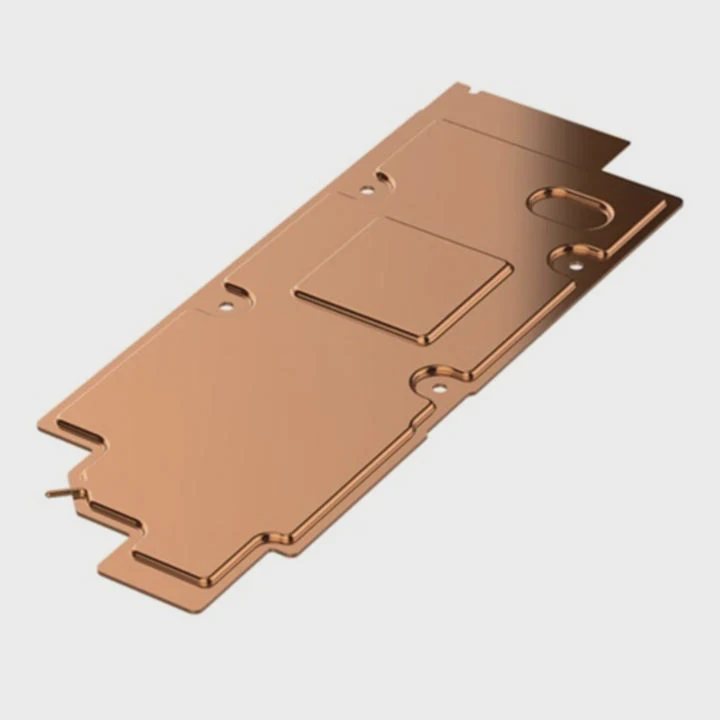
Thermal parts seem harmless until hidden emissions or waste haunt the planet. Without full lifecycle data, cooling gear may carry hidden environmental burden. Vapor chambers deserve serious lifecycle scrutiny.
Some lifecycle data exists for vapor chambers — especially on materials, manufacturing energy and end‑of‑life waste — but full cradle‑to‑grave studies remain rare and incomplete.
The analysis below breaks down what we know about vapor‑chamber LCA data, what remains uncertain, and whether lifecycle assessments matter for eco‑certified products.
What LCA data is available for Vapor Chambers?
Thermal components vary widely — but many vendors at least track material and production impacts.
Data usually covers raw material extraction and production energy for the metals used in vapor chambers.
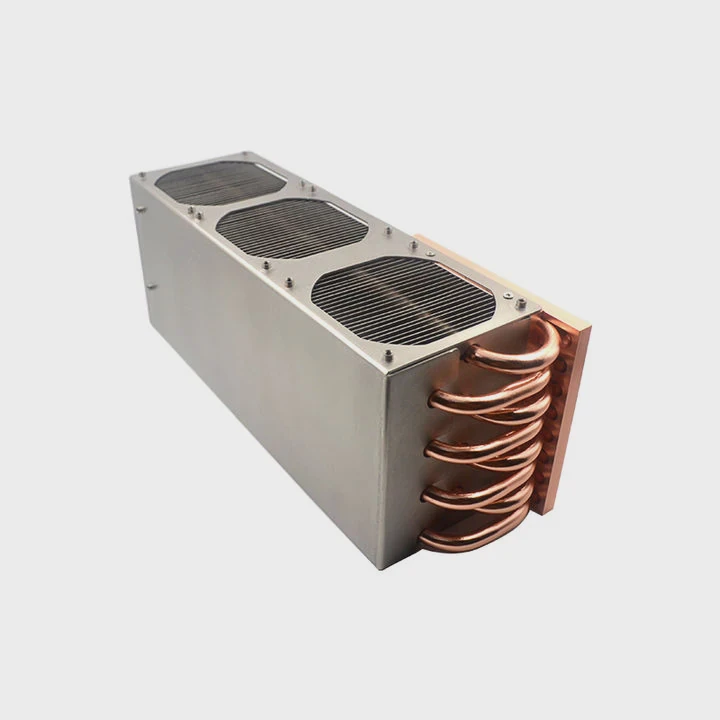
Vapor chambers typically use aluminum alloys, sometimes copper, plus wick materials and internal working fluid. Some manufacturers provide data on weight of raw materials per unit and the energy consumed during processes like extrusion, machining, welding, cleaning and sealing. This data helps estimate embodied energy and material emissions. For example, a vendor might report that a 200 g aluminum vapor chamber requires 1.2 kWh in production energy and emits X kg CO₂‑eq from smelting and fabrication. That covers what scientists call “cradle-to-gate” — material sourcing through manufacturing.
Often, data includes:
- Mass and type of metals used.
- Energy used in primary metal production (smelting, casting, rolling).
- Energy and process emissions from machining, welding or brazing.
- Percentage of scrap or off-cuts, and whether scrap is recycled.
Some reports go further: they show typical yield rate in production, scrap reuse rate, and fraction of recycling for aluminum swarf or defective items. That influences overall impact, because high scrap or low recycling raises environmental burden per usable unit.
Still, data often lacks details on the working fluid (e.g. water, acetone, or other) — its sourcing, whether fluorinated fluids are used, or its environmental risk. Few publicly available data sets specify working fluid volume or the environmental impact of producing or disposing that fluid. Thus any LCA based only on metal and manufacturing underestimates total impact.
In short: we know a good portion of what goes into building a vapor chamber. That gives baseline embodied impact from metal and production. That data helps estimate emissions if one uses standard coefficients for aluminum production and machining. But data beyond that — like fluid lifecycle or end-of-life disposal — is often missing.
Do assessments include energy and emissions impact?
Life cycle studies often account for energy use and greenhouse‑gas emissions at production stage.
Yes — many assessments cover energy use and emissions tied to metal production and manufacturing; but full device‑level emissions including use phase and disposal are seldom included.
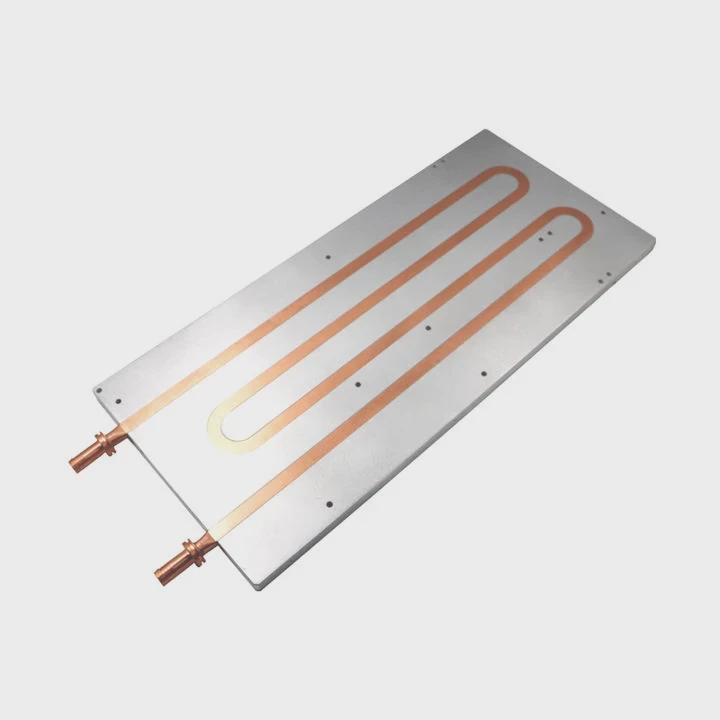
Many “cradle‑to‑gate” analyses include:
- Smelting and refining aluminum or copper.
- Machining, welding or brazing processes.
- Surface treatments, cleaning, finishing.
- Packaging materials and transport to first assembly plant.
These steps generate carbon emissions, water use, waste. They may be converted into CO₂‑eq using standard emission factors. For example, aluminum production typically has ~8–12 kg CO₂‑eq per kg of primary aluminum (depending on source electricity mix). Machining and welding add further energy, often from electricity or natural gas. Together, for a typical 200 g vapor chamber, embodied emissions might lie in order of 2–4 kg CO₂‑eq. That is a manageable footprint per unit compared to heavy machinery, but becomes significant at volume production.
Here is a summary table of common data categories in LCA for vapor chambers:
| Data Category | What is measured | Typical gaps |
|---|---|---|
| Raw material extraction | Metal mining, smelting, alloying emissions and energy | Source of raw ore, mining environmental impacts, fluid sourcing |
| Manufacturing energy & emissions | Energy used in machining, welding, cleaning, finishing per unit | Variation by plant, local energy mix, scrap rates, yield loss |
| Scrap and recycling | Weight of off‑cuts, recycled content, recycling rate | Down‑cycling losses, energy for recycling, contamination |
| Working fluid and sealing materials | Type, volume, lifecycle of fluid and seal materials | Rarely included — data often missing |
| Packaging and transport | Materials used for packing, logistics to next stage | Transport distance, mode, fuel type often unknown |
| Use‑phase impact | Energy use during equipment lifetime, thermal efficiency gains | Hard to attribute specific to vapor chamber — seldom assessed |
| End-of-life disposal/recycling | Whether chamber gets recycled or scrapped | Lack of data, unclear recycling infrastructure, fluid disposal risks |
Because of these gaps, many LCAs around heat‑management components stop at “gate” — i.e., before integration or disposal. That limits understanding of total lifecycle impact.
Often LCA stops before use-phase because vapor chambers themselves do not consume energy directly — they passively transfer heat. So they do not add operational energy on their own. However, if their use enables more efficient cooling and thus reduces energy use in a device (for example enables fan-less design, or more efficient heat rejection), then their benefit could offset their embodied emissions. But quantifying that benefit requires a system-level study, not just chamber-level. That complicates LCA.
Therefore, most existing assessments report energy and emissions impact only for raw materials and manufacturing. That gives a baseline for embodied footprint but gives no insight into environmental benefit or long-term emissions saved.
Are full cradle-to-grave studies published?
Complete cradle‑to‑grave LCAs trace environmental impacts from raw material mining, through production, use, and final disposal or recycling.
So far, no widely published cradle‑to‑grave study for vapor chambers exists — public data remains fragmentary and focused on the “cradle‑to‑gate” stage.
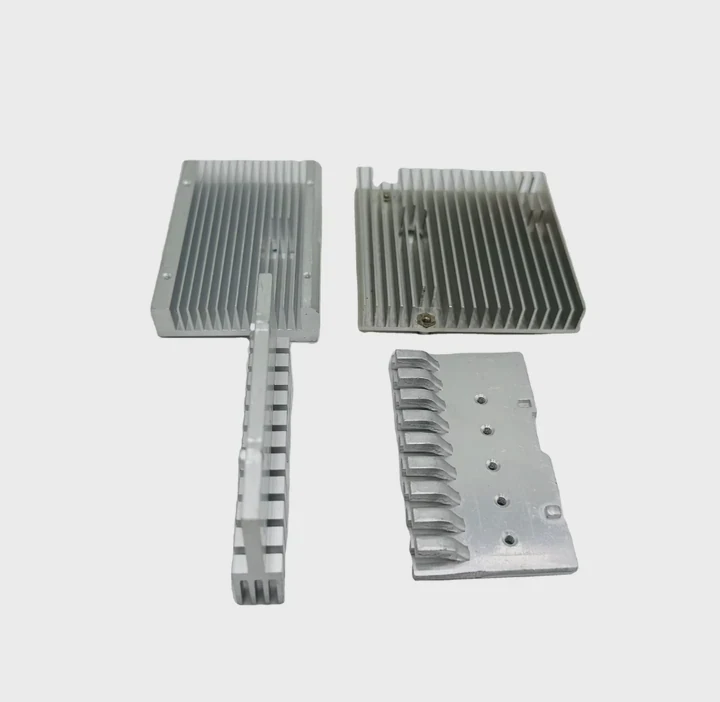
A few academic or industrial reports for broader heat‑sink or thermal‑management modules include vapor-chamber units as part of a larger system (for example in servers, laptops, or power converters). In those reports, the “heat‑management subsystem” may be lumped together (heat sinks, fans, vapor chambers, sometimes thermal interface material). That makes it impossible to isolate the vapor chamber’s exact environmental footprint.
Main reasons for lack of full cradle‑to‑grave LCA for vapor chambers:
- Use phase attribution: vapor chambers themselves do not consume energy — any energy consumption comes from device operation (fans, power electronics, or cooling systems). Assigning a fair share of device energy usage to the vapor chamber is difficult.
- Diverse applications: vapor chambers go into many device types — from consumer laptops to rugged military gear. Use environment, lifetime, duty‑cycle, disposal path differ widely. A generic cradle‑to‑grave study lacks broad applicability.
- Proprietary manufacturing information: many manufacturers treat their process data as confidential. That includes welding methods, yield rates, scrap recycling. Without data, LCA lacks reliability.
- Complex end‑of‑life: soldered/welded assemblies may not be easy to recycle. Working fluid may pose environmental hazards. Disposal or recycling pathways — land‑fill, metal scrap recovery, fluid handling — vary by region. Data on recovery rates or fluid disposal is rare.
Here is a table summarizing status of published studies:
| Study type | Publicly available? | What is covered | What is missing |
|---|---|---|---|
| Cradle‑to‑gate (metal + manufacturing) | Yes (some vendor data / internal industry documents) | Material weight, metal smelt emissions, manufacturing energy | Working fluid, full supply chain, end‑of‑life |
| Subsystem-level (heat sink + fans) | Rare | Component manufacturing + use-phase device energy | Hard to isolate vapor chamber footprint |
| Cradle‑to‑grave for full device with vapor chamber | None or unpublished | Device‑level footprint, maybe includes heat‑management | Attribution to vapor chamber only not possible |
Because of this lack, lifecycle impact of vapor chambers remains uncertain beyond production. The environmental benefit (if any) gained by improved thermal performance remains unquantified in public literature. That limits ability to declare vapor chambers as “green” parts under strict eco‑labels or to compare them fairly with alternatives like heat‑pipes or liquid cooling over full life.
Is LCA required for green product certification?
Eco‑labels and green certifications increasingly demand lifecycle and environmental impact data from all components.
In many certification systems, LCA — or at least material and emissions reporting — is required; but lack of published full-life studies for vapor chambers makes certification challenging.
Many product certifications (for electronics, servers, or other devices) insist on reporting of:
- Material composition (type, weight)
- Percentage of recycled or reused content
- Supply chain emissions or embodied carbon — sometimes as CO₂‑eq per kg or per unit
- End-of-life recyclability or safe disposal
- Use‑phase energy efficiency gains or energy savings
If vapor chambers are to be included in a certified “green” product, their contribution must be accounted. That often means suppliers must provide at least cradle‑to‑gate data (raw materials, manufacturing emissions), and ideally some estimate of end-of-life recyclability. If the vapor chamber enables lower energy consumption (for example by efficient passive cooling), the device maker may account that energy saving in overall device LCA. That can improve the device’s energy‑use rating or carbon footprint over its lifetime.
LCA report elements that matter for green certification:
- Embodied carbon and energy — data on raw materials, manufacturing, transportation.
- Recycled content and recyclability — how much of the chamber uses recycled aluminum; whether the chamber can be disassembled and recycled.
- Use‑phase benefits — energy savings or longer device lifespan due to better thermal management (if proven).
- End-of-life impact — potential for recovery, fluid disposal, waste generation, hazards.
If none of these data are provided, certification auditors may reject or downgrade claims about “eco-friendliness.” In practice, some manufacturers partially comply: they provide metal composition and weight, plus recycled content percentage. Some may commit to return‑programs for scrap or old parts. But full data — especially on fluid disposal and recyclability — remains rare.
For manufacturers and buyers aiming for green certification (for example for electronics sold in EU or under global sustainability pledge), the lack of full LCA data for vapor chambers is a serious barrier. Device makers may choose alternative cooling solutions with better documented lifecycle impact (e.g. heat‑pipes, modular heat sinks using recycled metal). Or they may ask thermal‑component suppliers to supply exchange or take‑back services to handle end‑of‑life responsibly.
Conclusion
Vapor chambers offer strong thermal performance and lightweight design. Some lifecycle data covers materials and manufacturing emissions. However full cradle‑to‑grave studies remain missing. Without use-phase attribution and end-of-life data, environmental impact stays uncertain. For green certification and sustainability goals, more complete LCA data is needed for vapor chambers.
TAGS
Latest Articles

Volume discount levels for heat sink orders?
Buyers often ask when heat sink prices start to drop with volume. Many worry they’re overpaying for small orders. This guide explains how B2B volume pricing works for thermal components. Heat sink
21 Dec,2025
Heat sink long-term supply contract options?
Many buyers want stable pricing and reliable delivery for heat sinks. But without a clear contract, risks grow over time. This article explores how to secure better long-term supply deals. Long-term
21 Dec,2025
Tooling cost for new heat sink profiles?
Many engineers struggle to understand why tooling for custom heat sinks costs so much. They worry about budgeting and production timelines. This article breaks down the cost drivers behind tooling.
21 Dec,2025
Heat sink custom sample process steps?
Sometimes, starting a custom heat sink project feels overwhelming—too many steps, too many unknowns, and too many risks. You want a sample, but not endless delays. The process for requesting and
20 Dec,2025
Standard B2B terms for heat sink payments?
When buyers and sellers in B2B heat sink markets talk about payment, many don’t fully understand what’s standard. This can lead to delayed orders, miscommunication, and even lost business
20 Dec,2025
Heat sink pricing factors for large orders?
Heat sinks are vital for many systems. When prices rise, projects stall and budgets break. This problem can hit teams hard without warning. Large order heat sink pricing depends on many factors. You
20 Dec,2025Related Articles
- Best joining method for Vapor Chamber?
- Vapor Chamber impact on GPU performance?
- Vapor Chamber support for AI chips?
- How thin can Vapor Chamber be?
- How to assemble Vapor Chamber prototypes?
- Vapor Chamber heat spreading efficiency?
- Environmental impact of Vapor Chamber disposal?
- Vapor Chamber use in hydrogen energy systems?
- How to choose Vapor Chamber thickness?
- Does Vapor Chamber increase performance stability?
- Vapor Chamber for handheld electronics?
- Can Vapor Chamber reduce overheating issues?
Author
Dr. Emily Chen
Chief AI Researcher
Leading expert in thermal dynamics and AI optimization with over 15 years of experience in data center efficiency research.
Categories
Latest Products






Recommend Categories
- Liquid cooling plate Manufacturer
- Industrial Heat Sink Manufacturer
- Standard Heat Sink Manufacturer
- Aluminum Heat Sink Manufacturer
- Copper Heat Sink Manufacturer
- Anodized Heatsink Manufacturer
- Stamping heat sink Manufacturer
- Die Casting Heatsink Manufacturer
- Soldering heat sink Manufacturer
- CNC Parts Manufacturer
Latest Products
- Wholesale Aluminum Radiator
- Water Cooling Plate Kit
- Water Cooling Heat Sink
- Water Cooling Heat Sink Kit
- Stainless Steel Water Distributor
- Server Water Cooling Plate Kit
- Server Liquid Cooling System
- Server Aluminum Cooling Kit
- S19 Full Cover Cooling Plate
- S19 Cooling Plate Kit
- S19 Aluminum Cooling Plate
Contact Expert
Have questions about this article? Reach out to our experts directly.