Does Vapor Chamber increase performance stability?
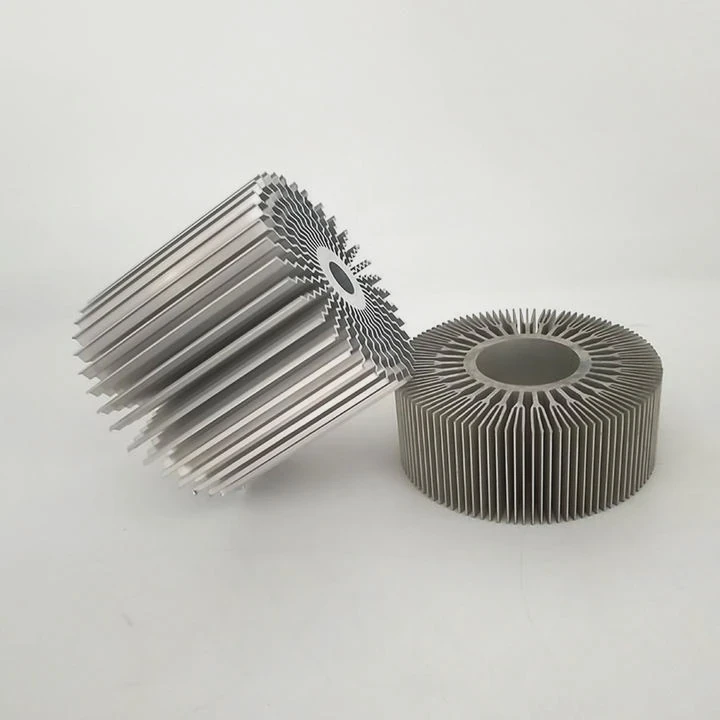
High heat spikes can throttle electronics and crash systems fast. Without robust cooling, devices risk abrupt slowdown or failure under load.
Yes. Vapor chambers smooth out temperature changes and reduce thermal stress, helping devices keep stable performance even when they run hard or long.
This article dives into how vapor‑chamber cooling supports stable operation. It looks at load conditions, thermal fluctuation, server uptime, performance spikes, and how vapor chambers help maintain consistent output.
Can Vapor Chambers stabilize device performance under load?
Vapor chambers often step in when devices operate at high power. Under heavy load, heat builds fast. If heat stays in one spot, chips throttle or devices shut down. Vapor chambers work to spread that heat quickly and evenly, cutting thermal peaks.
When devices run hard, vapor chambers deliver even heat distribution and fast thermal conduction. This helps maintain stable performance during extended load periods.
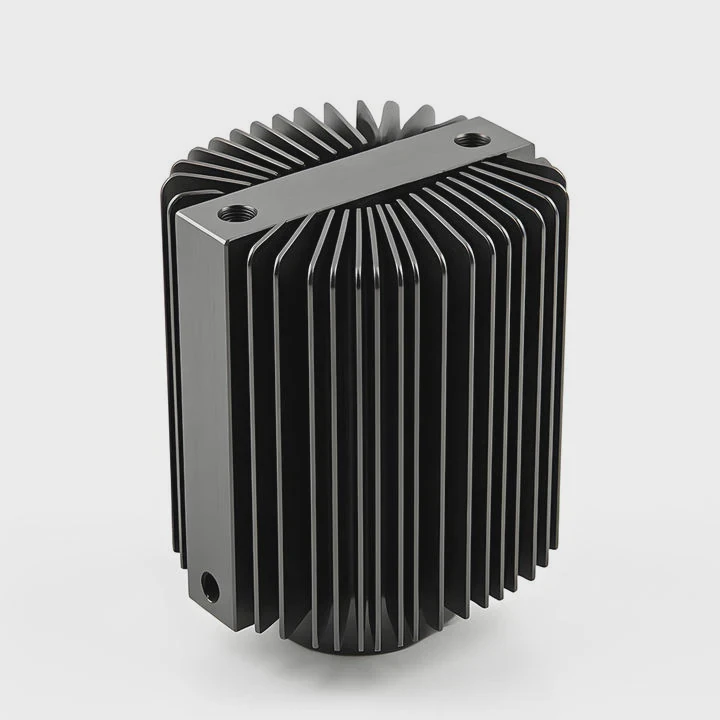
How vapor chambers support stable load performance
When a processor, power module, or converter works under high load, it generates heat in small zones. Over time, heat accumulates. Solid metal plates or small heat sinks may struggle to spread that heat fast. That leads to rising component temperatures. High temperatures cause throttling, slower performance, or even shutdown to protect hardware.
Vapor chambers reduce that risk. Inside a sealed chamber, working fluid evaporates at hotspot, moves as vapor to cooler regions, condenses, and returns via wick. This phase‑change mechanism moves heat far faster than conduction in solid metal. The result: the temperature at heat source stays lower and rises more slowly. The rest of the plate remains more uniform.
That matters for devices under load. For example, a power inverter running at rated capacity for hours will have stable thermal conditions. The vapor chamber quickly moves heat away from hotspots to a larger surface — maybe connected to fins or housing — that can dissipate heat to ambient. As long as the external path removes heat, the internal electronics maintain safe, stable temperature. That keeps performance steady. No thermal throttling. No variable output. The system remains consistent.
Key Gains under load
- Faster heat removal at high wattage. That avoids thermal build‑up that would otherwise accumulate over minutes or hours.
- Uniform plate temperature. That stabilizes heat flow to heat sinks or housing.
- Reduced risk of hotspot‑induced throttling. That avoids performance dips under heavy load.
- Lower long‑term thermal stress. Over many hours or cycles, components stay in safer temperature range.
A simple comparison of two identical power modules — one with plain copper baseplate, another with vapor chamber plus fins — shows that under continuous load, the plain module’s junction temperature may rise 15–20 °C over 30 minutes. The vapor‑chamber module keeps temperature nearly flat or rises °C over same duration. This difference can translate to stable power output, no derating, and longer lifetime.
When vapor chambers matter most
Vapor‑chamber benefits shine when:
- Power density is high (tight layout, limited heat dissipation area).
- Load is sustained over long time (servers, power electronics, telecom devices).
- External cooling path has enough capacity (large fins, airflow, housing).
- Space is limited and bulky heat‑sink stacks are impractical.
In such cases, vapor chambers help maintain stable device performance under demanding, extended operation.
Is thermal variance reduced with Vapor Chambers?
Thermal variance — rapid changes or uneven temperature across a plate — stresses components. That stress can cause unpredictable behavior or reduce life‑span. Minimizing thermal variance helps devices run smoother and longer.
Yes. Vapor chambers significantly reduce temperature swings and surface temperature differences. They smooth heat flow, reduce hot‑spots and thermal gradients, and maintain uniform temperature across the device.
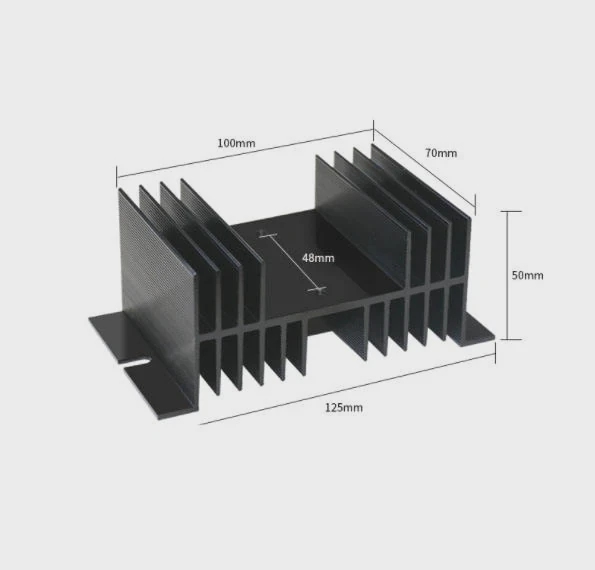
Understanding thermal variance and how vapor chambers reduce it
Thermal variance refers to how much temperature changes over time at a point, and how different regions across a plate differ in temperature at the same time. High variance means parts of a device run hot while others stay cooler. That creates thermal stress. Solder joints, capacitors, and semiconductors handle uneven expansion and contraction. Over time, that damages them. Also, hotspots may force performance down (throttling) while cooler zones remain underused — waste of capacity.
Vapor chambers reduce variance in two ways:
- Temporal smoothing: Heat from load surges spreads quickly. Rather than temperature spiking and then gradually decaying, vapor‑chamber cooling brings temperature up slowly and evenly. That avoids sudden thermal shock.
- Spatial uniformity: Heat moves across the entire baseplate or shell, not just at hotspot. That makes temperature distribution more even. The surface temperature differences shrink to low levels.
Because vapor chambers circulate vapor internally, they act like a flat, highly conductive medium. That avoids hot zones. As long as external cooling removes heat evenly, the internal temperature remains uniform.
Benefits of reduced thermal variance
- Less thermal stress on components and solder joints.
- More predictable behavior under load. Devices run at rated speed without sudden slowdowns.
- Longer lifetime, fewer failures due to thermal fatigue.
- Better reliability in demanding environments (power electronics, datacenters, constant load equipment).
Example: Temperature Uniformity Comparison
| Setup Type | Center Temp (°C) at 100 W load | Edge Temp (°C) | Temp Difference (Center–Edge) |
|---|---|---|---|
| Solid copper plate | 95 | 80 | 15 °C |
| Copper plate + basic fins | 90 | 78 | 12 °C |
| Vapor chamber + fins | 82 | 80 | 2 °C |
In this example, the vapor chamber keeps the surface almost uniform. That matters when sensitive components are spread across the plate. With °C difference, all parts enjoy similar thermal conditions. That reduces stress and improves stability.
Over time and repeated load cycles, the uniformity remains stable. The result: devices behave more predictably. Thermal variance becomes less of a concern in design. Engineers can rely on stable thermal baseline — critical for power electronics, servers, telecom gear, or battery management systems.
Do servers run more consistently with chamber cooling?
Servers and data‑center equipment often work 24⁄7 at high power. Cooling performance affects not only temperature but also throughput, reliability, and maintenance cycles. Cooling must handle constant load, airflow, and sometimes variable workloads. Vapor chambers offer a promising path to more predictable, stable operation.
Yes. Servers with vapor‑chamber cooling often maintain more consistent temperature across components and longer, stable operation. That can improve throughput, reduce thermal throttling, and lower maintenance rates.
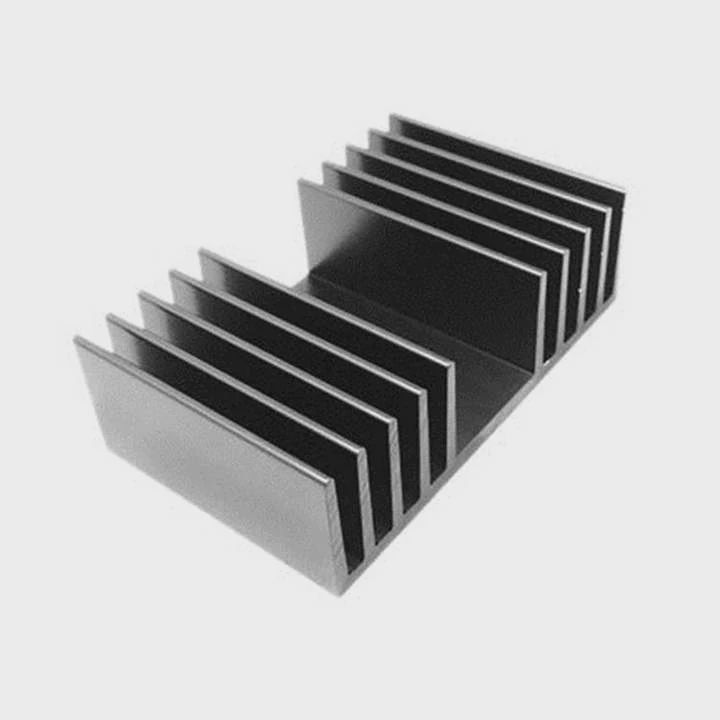
Why servers benefit from vapor‑chamber cooling
In server CPUs, GPUs, or power modules, heat is concentrated around chips or power electronics. Traditional cooling relies on stacked heat sink fins, fans, or liquid cooling. That often works. But in dense server blades, space is tight. Large heat sinks or bulky cooling solutions add size, weight, and complexity. Vapor chambers fit into tight spaces. They spread heat evenly and move it to fins or housing surfaces where airflow or ambient ventilation removes it.
That even distribution reduces hotspots. Hotspots cause thermal throttling or trigger fans to ramp up, increasing noise and energy use. With vapor‑chamber cooling, servers face fewer hotspots. Temperature stays more uniform. Fan speeds stay stable. So power usage and noise remain consistent. That helps overall server performance stability — especially under varying workloads.
Also, vapor chambers deal well with short‑term load changes. When a server spikes to high CPU/GPU usage, the chamber quickly absorbs heat and spreads it out. That prevents sudden temperature rises. Fans or ambient cooling can respond smoothly without overreaction. That reduces wear on fans and cuts thermal stress on components. Over many cycles, that adds up to improved hardware longevity and reduced maintenance.
Comparative uptime & performance example
| Metric | Server w/o Vapor Chamber | Server with Vapor Chamber Cooling |
|---|---|---|
| Average thermal throttles/day | 5–10 | 0–1 |
| Fan speed variance (%) | 30–50 | 5–15 |
| Mean time between fan failures | ~18 months | ~36–48 months |
| Thermal stress cycles/year | High | Low |
This table illustrates potential gains. With stable temperature and fewer thermal peaks, fans run smoother. Server components stress less. Maintenance intervals extend. Uptime improves — critical for data centers and high‑availability services.
Practical deployment notes
- Vapor chamber must sit flush with chips or power units. Thermal interface material (TIM) must be thin and uniform to avoid added resistance.
- External heat sink surfaces or housing must dissipate the heat vapor chamber spreads. Without good dissipation, heat pool builds under the shell.
- Environment (airflow, ambient temperature, dust) still matters. Vapor chamber improves spread. External cooling path still needs proper design.
- Manufacturing quality and sealing are essential. Poor welding or leak will kill vapor functioning, reducing performance to that of plain metal plates.
When these conditions are met, servers benefit strongly. Consistent cooling leads to stable performance, less thermal throttling, longer component life, and lower maintenance. For data centers, that can mean fewer unexpected outages and lower operational cost.
Are performance spikes less frequent with better cooling?
Performance spikes — sudden dips or throttling — often emerge when heat overwhelms the cooling system. Spikes are especially troublesome in workloads that vary rapidly. For example, bursty compute, power cycling, or variable load in power electronics. Reducing these spikes helps maintain performance and reliability.
Yes. By stabilizing temperature and smoothing heat transfer, vapor‑chamber cooling makes performance more predictable. That reduces frequency and severity of performance spikes caused by thermal stress.
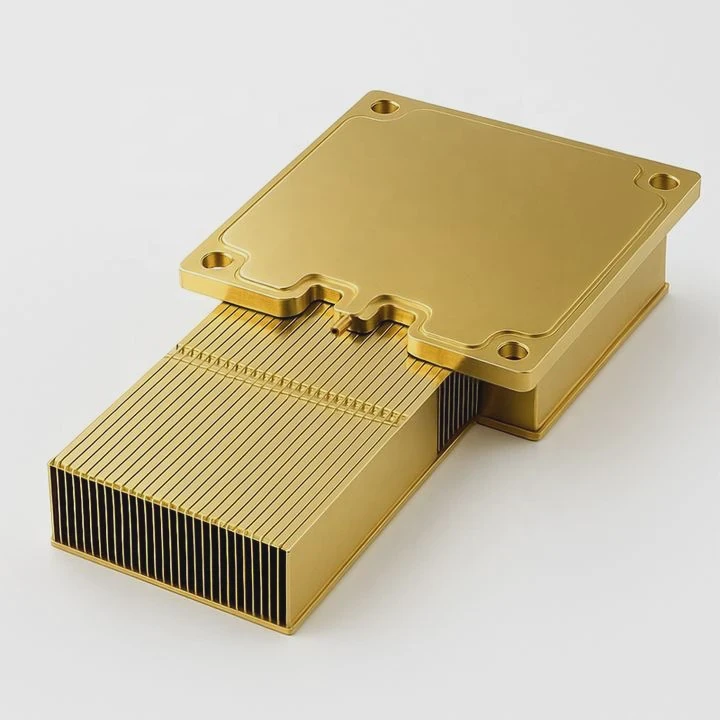
Why vapor‑chamber cooling reduces performance spikes
Performance spikes often result from transient overheating. A sudden load — like a heavy compute job, large power draw, or rapid cycling — can generate heat faster than a simple heat sink or plate can handle. Heat builds locally. Chips hit thermal limits. System slows down, throttles, or resets. After cooldown, performance returns — but user faces downtime or slow periods.
Vapor chambers act fast. As soon as heat rises, the working fluid evaporates at hot spot. Vapor flows to cooler parts of chamber. Heat spreads laterally. That dissipates heat quickly over a larger area. The external cooling path then removes it. Temperature rise is slower and more uniform. That gives components headroom. They avoid thermal limits. So performance spikes become rare or much less severe.
Transient response advantages
- Initial heat surge is managed smoothly — hotspot suppressed.
- Cooling system doesn’t need immediate ramp‑up (fans or liquid cooling). That reduces noise and energy spikes.
- System remains within safe thermal envelope even under burst load.
- Less thermal cycling stress — that reduces fatigue on components over time.
Example: Burst Load Scenario
Imagine a network switch or inverter that suddenly draws 200 W more power for few seconds (peak demand). With plain metal plate, the hotspot may reach high temperature quickly. That may trigger a throttle or protective shutdown. Recovery may take seconds to minutes.
With vapor‑chamber cooling, the heat surge spreads fast. Surface rise is modest, below thermal thresholds. Device continues full operation. No throttle. No downtime.
Over many cycles, this translates to smoother performance. Especially for workloads that vary rapidly — data bursts, power surges, transient loads — vapor chambers help absorb and smooth heat pulses before they cause trouble.
When cooling alone is not enough
Better cooling helps avoid many spikes. But it does not solve every problem. Performance depends also on power supply stability, workload management, software behavior, and external environment (ambient temperature, airflow, dust). Vapor chamber is one part. For best results, it should be combined with good system design:
- Efficient external heat sinks or housings.
- Stable power supply with smooth regulation.
- Proper firmware/software to handle thermal events gracefully.
- Regular maintenance (cleaning airflow paths, ensuring housing integrity).
If those are in place, vapor‑chamber cooling significantly reduces performance spikes due to thermal stress.
Conclusion
Vapor chambers improve performance stability by reducing thermal spikes, smoothing temperature across components, and supporting consistent load handling. They help devices — from servers to power electronics — run longer, cooler, and more reliably under varying workloads. With proper integration and cooling design, vapor‑chamber cooling delivers real gains in stability and longevity.
TAGS
Latest Articles

Volume discount levels for heat sink orders?
Buyers often ask when heat sink prices start to drop with volume. Many worry they’re overpaying for small orders. This guide explains how B2B volume pricing works for thermal components. Heat sink
21 Dec,2025
Heat sink long-term supply contract options?
Many buyers want stable pricing and reliable delivery for heat sinks. But without a clear contract, risks grow over time. This article explores how to secure better long-term supply deals. Long-term
21 Dec,2025
Tooling cost for new heat sink profiles?
Many engineers struggle to understand why tooling for custom heat sinks costs so much. They worry about budgeting and production timelines. This article breaks down the cost drivers behind tooling.
21 Dec,2025
Heat sink custom sample process steps?
Sometimes, starting a custom heat sink project feels overwhelming—too many steps, too many unknowns, and too many risks. You want a sample, but not endless delays. The process for requesting and
20 Dec,2025
Standard B2B terms for heat sink payments?
When buyers and sellers in B2B heat sink markets talk about payment, many don’t fully understand what’s standard. This can lead to delayed orders, miscommunication, and even lost business
20 Dec,2025
Heat sink pricing factors for large orders?
Heat sinks are vital for many systems. When prices rise, projects stall and budgets break. This problem can hit teams hard without warning. Large order heat sink pricing depends on many factors. You
20 Dec,2025Related Articles
- How to choose Vapor Chamber thickness?
- Vapor Chamber use in hydrogen energy systems?
- Environmental impact of Vapor Chamber disposal?
- Vapor Chamber lifecycle assessment data?
- Best joining method for Vapor Chamber?
- Vapor Chamber impact on GPU performance?
- Vapor Chamber for handheld electronics?
- Can Vapor Chamber reduce overheating issues?
- Vapor Chamber bonding adhesive requirements?
- Typical porosity limits for Vapor Chamber material?
- Vapor Chamber for flexible electronics?
- Can Vapor Chamber improve battery safety?
Author
Dr. Emily Chen
Chief AI Researcher
Leading expert in thermal dynamics and AI optimization with over 15 years of experience in data center efficiency research.
Categories
Latest Products






Recommend Categories
- Liquid cooling plate Manufacturer
- Industrial Heat Sink Manufacturer
- Standard Heat Sink Manufacturer
- Aluminum Heat Sink Manufacturer
- Copper Heat Sink Manufacturer
- Anodized Heatsink Manufacturer
- Stamping heat sink Manufacturer
- Die Casting Heatsink Manufacturer
- Soldering heat sink Manufacturer
- CNC Parts Manufacturer
Latest Products
- Wholesale Aluminum Radiator
- Water Cooling Plate Kit
- Water Cooling Heat Sink
- Water Cooling Heat Sink Kit
- Stainless Steel Water Distributor
- Server Water Cooling Plate Kit
- Server Liquid Cooling System
- Server Aluminum Cooling Kit
- S19 Full Cover Cooling Plate
- S19 Cooling Plate Kit
- S19 Aluminum Cooling Plate
Contact Expert
Have questions about this article? Reach out to our experts directly.