How Expensive Is Liquid Cooling?
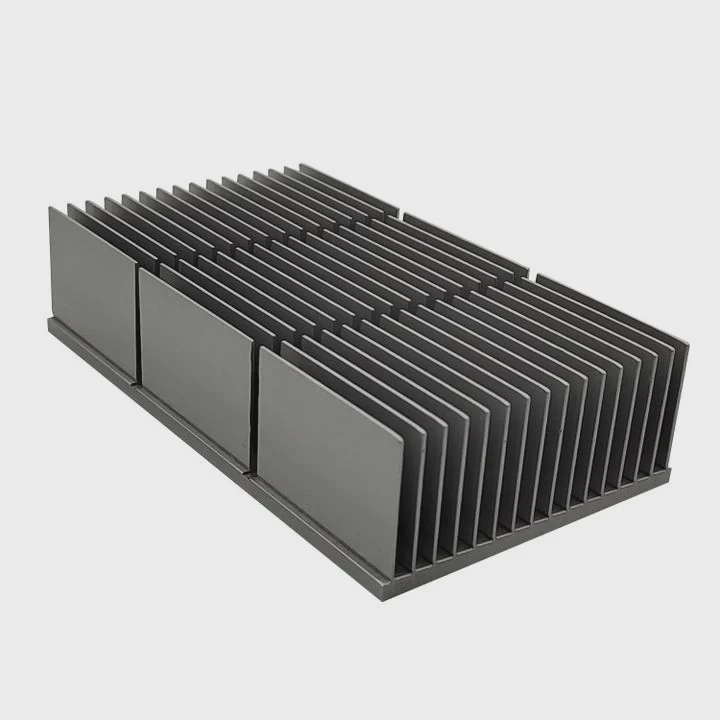
Many PC builders hesitate before choosing liquid cooling, mainly because of its price. The idea of tubes, pumps, and radiators often sounds expensive and complex.
Liquid cooling systems typically cost between \(80 and \)400 depending on the type, size, and quality, with all-in-one (AIO) models being the most affordable option for most users.
The cost can vary widely, so understanding what drives these prices helps you make a better decision when building or upgrading your PC.
What Factors Affect Liquid Cooling Cost?
Liquid cooling prices depend on more than just brand reputation. Each component — from radiator size to pump design — plays a role in the final price.
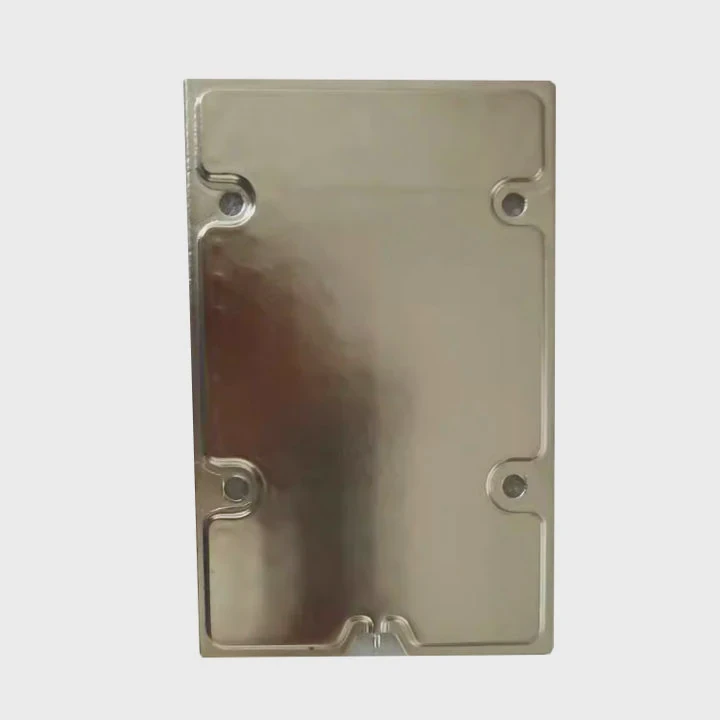
The main factors affecting liquid cooling cost include system type (AIO vs custom loop), component materials, radiator size, pump technology, and additional features such as RGB lighting or software control.
Key Cost Factors Breakdown
| Factor | Description | Cost Range Impact |
|---|---|---|
| Type of System | AIO (pre-built) vs Custom Loop | +\(50–\)200 |
| Radiator Size | 120mm to 420mm options | +\(30–\)100 |
| Materials | Aluminum vs Copper/Nickel | +\(20–\)80 |
| Pump Design | Basic vs Dual-Chamber | +\(15–\)50 |
| Fans | Standard vs High-Static Pressure | +\(20–\)40 |
| Aesthetics | RGB, mirror covers, or LCD screens | +\(30–\)100 |
| Brand & Warranty | Premium brands offer longer coverage | +\(10–\)60 |
AIO vs Custom Loop Cost Comparison
| System Type | Average Cost | Maintenance | Performance |
|---|---|---|---|
| AIO Cooler | \(80–\)200 | None | Excellent |
| Custom Loop | \(250–\)500+ | High | Superior |
Custom loops offer better control and aesthetics, but their cost, complexity, and maintenance make AIOs more practical for most users.
What Are the Benefits of Premium Cooling Systems?
Many users wonder if spending more on a premium liquid cooler is worth it. Cheaper coolers work fine, but higher-end systems offer measurable advantages in performance, lifespan, and appearance.
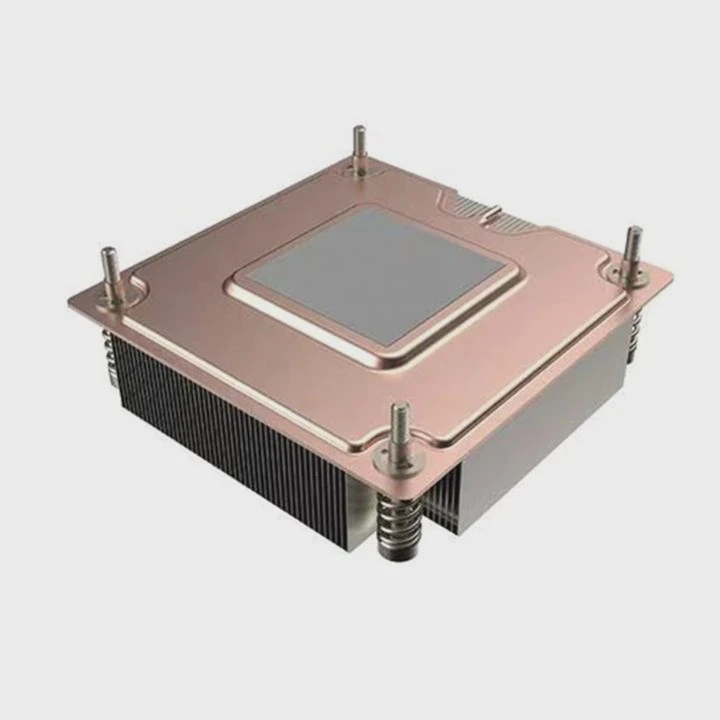
Premium liquid cooling systems deliver superior heat dissipation, lower noise levels, longer durability, and aesthetic appeal — making them ideal for overclocked or high-performance builds.
Core Benefits of Investing in Premium Cooling
1. Improved Thermal Efficiency
High-end coolers use larger radiators and more efficient fans. This keeps CPU or GPU temperatures low even under full load.
2. Quieter Operation
Premium pumps and fans use fluid dynamic bearings or magnetic levitation systems that reduce vibration and motor noise.
3. Longer Lifespan
Better materials like nickel-plated copper or corrosion-resistant tubing extend durability and prevent leaks or degradation.
4. Enhanced Aesthetics
Premium coolers include ARGB lighting, LCD displays, or polished covers that improve the look of any PC build.
5. Advanced Monitoring
Some premium models come with software that tracks coolant temperature, pump speed, and system status in real time.
Example Comparison
| Feature | Budget AIO | Premium AIO |
|---|---|---|
| Radiator Material | Aluminum | Copper |
| Fan Type | Basic PWM | MagLev / Silent Bearing |
| Pump Design | Single Chamber | Dual Chamber |
| Noise Level | 35–40 dBA | 25–30 dBA |
| Lifespan | 3–5 years | 7–10 years |
For users running powerful CPUs, investing in a premium liquid cooling system can significantly improve system stability and noise control.
How to Plan Your Cooling Budget?
Building a budget for liquid cooling doesn’t need to be complicated. The key is balancing your performance needs, system size, and spending limits.
To plan your cooling budget, first determine your performance goals, case compatibility, and CPU/GPU heat output, then allocate 10–15% of your total PC budget for cooling solutions.
Steps to Create a Cooling Budget
1. Identify Your System Type
Decide if you are cooling only the CPU, or both CPU and GPU. Full system cooling will cost more but provides better temperature control.
2. Choose Between Air or Liquid
Air coolers are affordable, while liquid coolers offer better efficiency for high-end systems. AIOs balance cost and performance.
3. Allocate Based on Usage
If you plan heavy workloads like gaming, rendering, or overclocking, spend a bit more for a high-end AIO or custom loop.
4. Consider Long-Term Value
A reliable cooler may cost more upfront but can prevent costly CPU throttling or hardware failure later.
5. Include Accessories
Don’t forget mounting kits, fan splitters, or thermal paste when calculating your total cost.
Example Cooling Budget Breakdown
| PC Build Type | Recommended Cooling Type | Estimated Cost |
|---|---|---|
| Entry-Level | 120mm AIO | \(80–\)120 |
| Mid-Range | 240mm or 280mm AIO | \(130–\)180 |
| High-End Gaming | 360mm AIO or Custom Loop | \(200–\)400 |
| Professional Workstation | Custom Loop (CPU + GPU) | \(400–\)700 |
Setting a realistic budget ensures you get efficient cooling without overspending on unnecessary features.
What Are the Cost Trends in PC Cooling?
PC cooling technology is evolving fast, and so are pricing trends. As demand grows for quieter, more efficient systems, manufacturers are finding ways to offer better performance at lower prices.
Recent cost trends show that liquid cooling is becoming more affordable due to mass production, modular design, and improved manufacturing techniques.
Key Market Trends
Falling Prices for AIO Coolers:
Entry-level AIO systems are now priced as low as \(80, compared to \)150 five years ago.Premium Features at Lower Costs:
ARGB lighting, LCD screens, and software control used to be high-end features, but now appear in mid-range coolers.Increased Competition:
More brands entering the market drive prices down and improve quality.Custom Loop Kit Standardization:
Modular fittings and universal sizes have reduced setup costs for DIY builders.Energy Efficiency Focus:
New pumps and fans consume less power, reducing both electricity costs and heat output.
Market Outlook
The global PC cooling market is expected to grow steadily over the next decade. As CPUs and GPUs continue to generate more heat, liquid cooling will remain a necessary investment for performance users. With economies of scale and design optimization, we’ll likely see higher performance at the same or even lower prices in the future.
Conclusion
Liquid cooling doesn’t have to break the bank. With careful budgeting and an understanding of what drives cost, users can choose efficient, reliable systems that fit their performance needs. As technology advances, prices are dropping, making high-quality cooling accessible to more people than ever before.
TAGS
Latest Articles

Volume discount levels for heat sink orders?
Buyers often ask when heat sink prices start to drop with volume. Many worry they’re overpaying for small orders. This guide explains how B2B volume pricing works for thermal components. Heat sink
21 Dec,2025
Heat sink long-term supply contract options?
Many buyers want stable pricing and reliable delivery for heat sinks. But without a clear contract, risks grow over time. This article explores how to secure better long-term supply deals. Long-term
21 Dec,2025
Tooling cost for new heat sink profiles?
Many engineers struggle to understand why tooling for custom heat sinks costs so much. They worry about budgeting and production timelines. This article breaks down the cost drivers behind tooling.
21 Dec,2025
Heat sink custom sample process steps?
Sometimes, starting a custom heat sink project feels overwhelming—too many steps, too many unknowns, and too many risks. You want a sample, but not endless delays. The process for requesting and
20 Dec,2025
Standard B2B terms for heat sink payments?
When buyers and sellers in B2B heat sink markets talk about payment, many don’t fully understand what’s standard. This can lead to delayed orders, miscommunication, and even lost business
20 Dec,2025
Heat sink pricing factors for large orders?
Heat sinks are vital for many systems. When prices rise, projects stall and budgets break. This problem can hit teams hard without warning. Large order heat sink pricing depends on many factors. You
20 Dec,2025Related Articles
- How to set up a liquid cooler?
- How to liquid cool?
- Is air cooling better than liquid cooling?
- How to setup liquid CPU cooler?
- How Hard Is It to Install Liquid Cooling?
- Where to install a liquid CPU cooler?
- Is air cooling or liquid cooling better?
- What is liquid cooling system?
- What does liquid cooled engine mean?
- How CPU liquid cooler works?
- Can Liquid Cooling Leak?
- Does 5800X need liquid cooling?
Author
Dr. Emily Chen
Chief AI Researcher
Leading expert in thermal dynamics and AI optimization with over 15 years of experience in data center efficiency research.
Categories
Latest Products






Recommend Categories
- Liquid cooling plate Manufacturer
- Industrial Heat Sink Manufacturer
- Standard Heat Sink Manufacturer
- Aluminum Heat Sink Manufacturer
- Copper Heat Sink Manufacturer
- Anodized Heatsink Manufacturer
- Stamping heat sink Manufacturer
- Die Casting Heatsink Manufacturer
- Soldering heat sink Manufacturer
- CNC Parts Manufacturer
Latest Products
- Wholesale Aluminum Radiator
- Water Cooling Plate Kit
- Water Cooling Heat Sink
- Water Cooling Heat Sink Kit
- Stainless Steel Water Distributor
- Server Water Cooling Plate Kit
- Server Liquid Cooling System
- Server Aluminum Cooling Kit
- S19 Full Cover Cooling Plate
- S19 Cooling Plate Kit
- S19 Aluminum Cooling Plate
Contact Expert
Have questions about this article? Reach out to our experts directly.