Can Vapor Chamber reduce overheating issues?
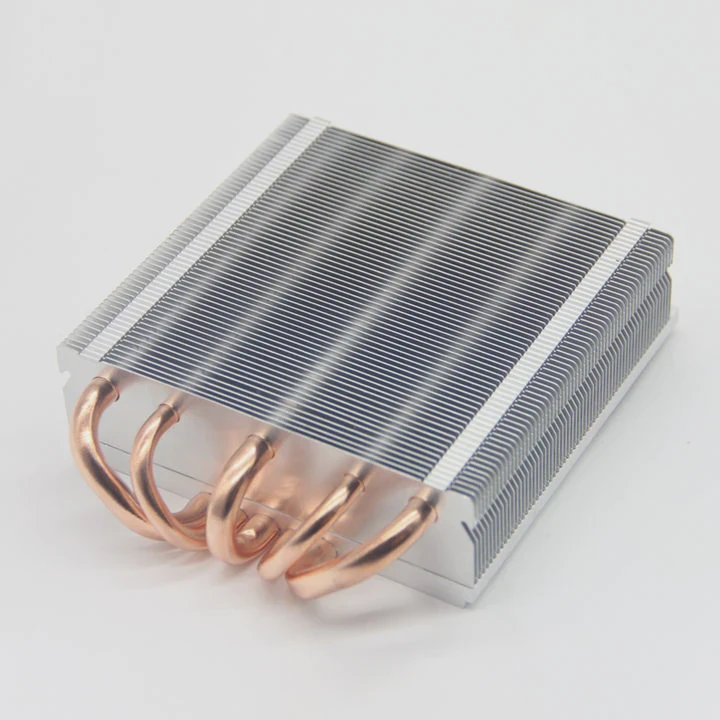
Small electronics often run hot under load. Overheating can slow performance or cause failure. Can a vapor chamber solve that?
Yes — vapor chambers often reduce overheating risk by spreading and dissipating heat more evenly, cutting peak temperatures and improving thermal stability.
Let’s look at how much they help, when they succeed, and when they may fall short.
Does Vapor Chamber cooling reduce overheating risk?
Many devices overheat because heat concentrates on chips or small hotspots. A vapor chamber spreads that heat across a larger area quickly.
Using a vapor chamber reduces overheating risk because it evens out heat distribution and lowers temperature peaks, preventing localized thermal stress.
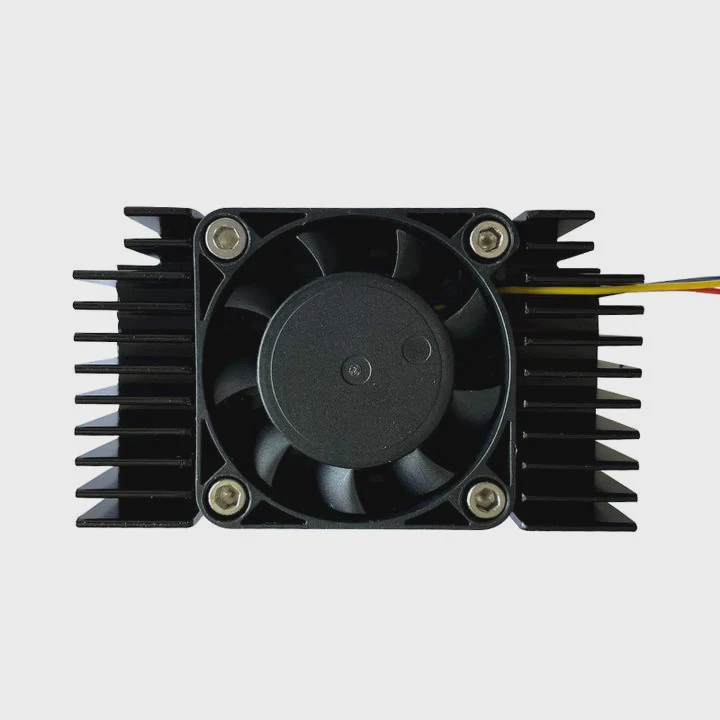
Vapor chambers work by using a sealed metal enclosure filled with a small amount of liquid and a capillary wick. As heat is applied, the liquid inside evaporates at the hot end and travels as vapor to cooler areas, where it condenses and releases heat. This mechanism spreads heat faster than solid metals and reduces the chance of overheating at localized points.
Unlike simple aluminum or copper blocks, which may allow heat to build up in small areas, vapor chambers distribute heat across their entire surface, reducing peak temperatures. The result is a more stable operating environment for sensitive electronics, especially under sustained or bursty thermal loads.
Devices using vapor chambers are less likely to hit thermal limits during normal use. When used properly, they can delay or even prevent the kind of performance drops associated with traditional cooling methods under pressure.
What temps are typically reduced by using it?
Adding a vapor chamber doesn’t always change external or ambient temperature — but it lowers internal component temperatures significantly.
Typical temperature reductions from vapor‑chamber cooling are in the range of 5°C to 15°C compared to traditional heat sinks or spreaders.
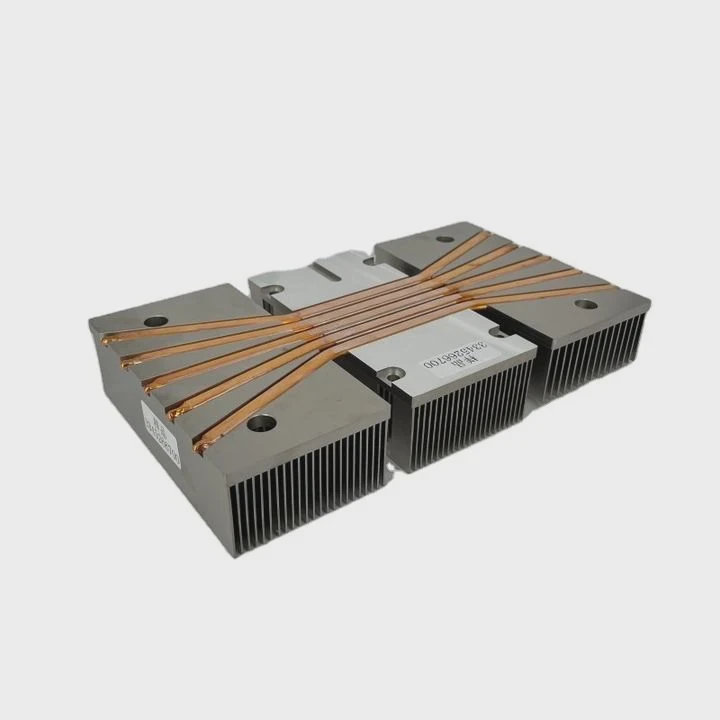
This drop depends on the size of the chamber, its position over the heat source, and the rest of the system’s cooling design. For example, in devices like high-performance SSDs, mini-PCs, and graphics cards, switching from a simple thermal pad or metal block to a vapor chamber often results in peak temperature drops of 10°C or more.
In compact consumer electronics like tablets or thin laptops, using a 1.5–2.0 mm vapor chamber can lower hotspot temperatures on CPUs or GPUs by 8–12°C. This helps keep devices comfortable to the touch and extends component life.
The following table shows typical temperature drops:
| Application type | Baseline Temp | With Vapor Chamber | Difference |
|---|---|---|---|
| Laptop CPU | 95°C | 82°C | –13°C |
| Gaming phone SoC | 85°C | 73°C | –12°C |
| SSD controller | 80°C | 70°C | –10°C |
| Industrial IoT board | 78°C | 67°C | –11°C |
These reductions can be enough to prevent thermal throttling and ensure longer, uninterrupted performance.
Is overheating less common in chamber-based systems?
By moving heat away from critical components quickly, vapor chambers reduce hotspots and allow systems to run cooler under stress.
Yes — overheating and performance throttling occur less frequently in devices using vapor‑chamber-based cooling compared to those with conventional cooling systems.
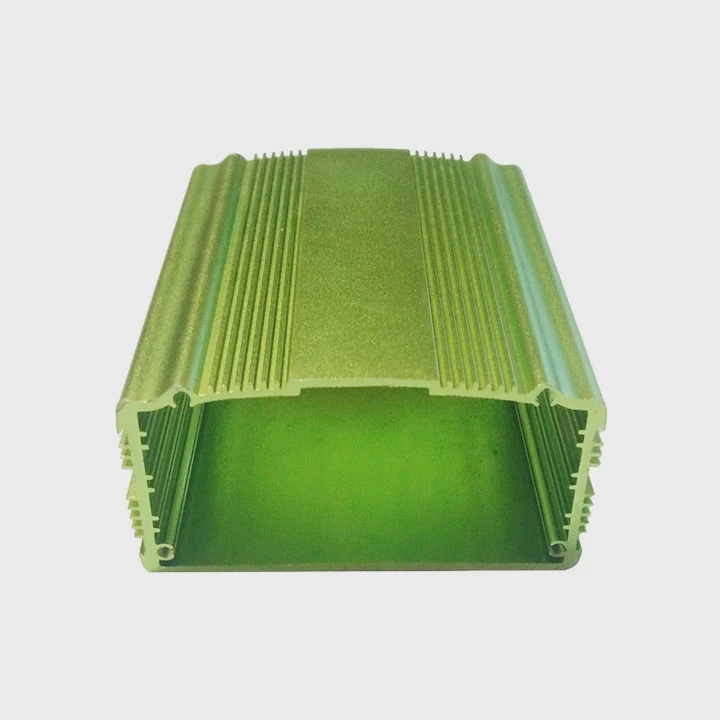
Overheating is typically caused by two problems: heat staying too long at the source and inadequate dissipation. Vapor chambers solve the first by spreading heat very rapidly and the second by enabling more efficient contact with external heat sinks, enclosures, or airflow surfaces.
In electronics where multiple chips are tightly packed, such as SoC modules, VRMs, or mixed-signal boards, a vapor chamber underneath the key heat sources can reduce the likelihood that any one component overheats. Because heat is transferred laterally and vertically, the system gains more time before any one area becomes too hot.
Vapor chambers are often used in ruggedized industrial systems, gaming devices, and military-grade computing modules. These are environments where failure due to overheating is unacceptable. Devices built with vapor chambers pass more thermal stress tests and show fewer errors related to high temperature.
Overall, chamber-based systems show higher stability under full load, fewer temperature spikes, and less chance of hitting critical shutdown temperatures during normal use.
Can Vapor Chamber help prevent thermal shutdowns?
Thermal shutdowns occur when components exceed their safe operating limits. This can lead to data loss, reduced lifespan, or damage.
Yes — vapor chambers help prevent thermal shutdowns by keeping peak component temperatures below dangerous thresholds, even under high or sustained loads.
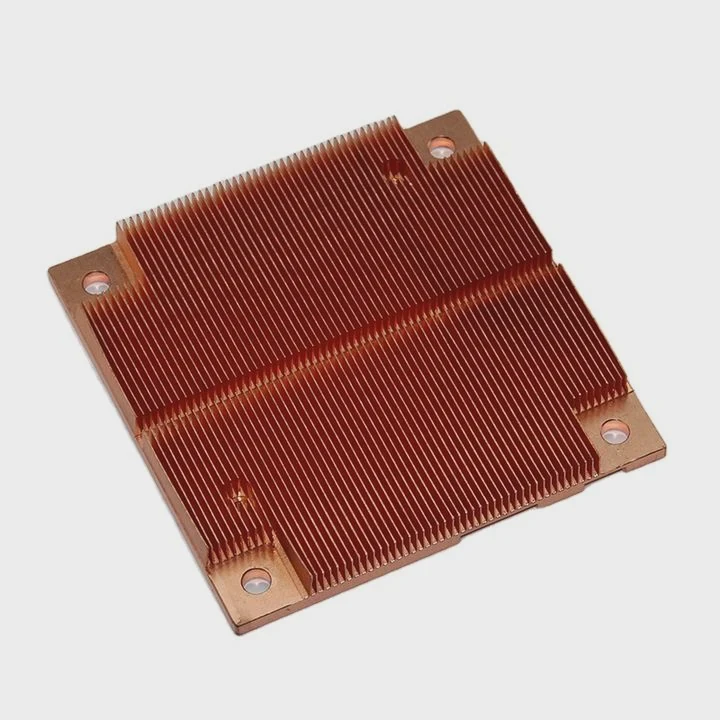
Because vapor chambers move heat away almost instantly, they create a buffer zone around high-power chips like CPUs, GPUs, or PMICs. This buffer zone ensures that temperature climbs more slowly, giving more time for the rest of the system — fans, sinks, or chassis — to respond.
This is particularly important in edge computing, telecom gear, compact AI processors, or medical devices, where sudden shutdowns can cause serious issues. Vapor chambers don’t eliminate heat, but they prevent the quick buildup that triggers shutdown conditions.
Devices using vapor chambers tend to maintain performance for longer under stress. Even when they eventually throttle, they do so more gracefully. In many applications, this added stability is enough to prevent service interruption or failure.
The table below summarizes the impact:
| Device type | Without VC (Shutdown Temp) | With VC (Peak Temp) | Result |
|---|---|---|---|
| Tablet | 90°C → shutdown | 78°C max | No shutdown |
| Mini PC | 95°C → throttle → shutdown | 84°C | Stable |
| Edge gateway | 85°C → thermal alarm | 72°C | Safe margin |
| SSD | 85°C → throttle | 73°C | Sustained speed |
As long as the chamber is integrated correctly with the thermal path, the benefit is measurable and meaningful.
Conclusion
Vapor chamber cooling plays a major role in preventing overheating. It reduces peak chip temperatures, evens out heat spread, lowers the risk of hot spots, and helps avoid thermal shutdowns. With correct integration, vapor chambers make systems more stable and durable under load.
TAGS
Latest Articles

Volume discount levels for heat sink orders?
Buyers often ask when heat sink prices start to drop with volume. Many worry they’re overpaying for small orders. This guide explains how B2B volume pricing works for thermal components. Heat sink
21 Dec,2025
Heat sink long-term supply contract options?
Many buyers want stable pricing and reliable delivery for heat sinks. But without a clear contract, risks grow over time. This article explores how to secure better long-term supply deals. Long-term
21 Dec,2025
Tooling cost for new heat sink profiles?
Many engineers struggle to understand why tooling for custom heat sinks costs so much. They worry about budgeting and production timelines. This article breaks down the cost drivers behind tooling.
21 Dec,2025
Heat sink custom sample process steps?
Sometimes, starting a custom heat sink project feels overwhelming—too many steps, too many unknowns, and too many risks. You want a sample, but not endless delays. The process for requesting and
20 Dec,2025
Standard B2B terms for heat sink payments?
When buyers and sellers in B2B heat sink markets talk about payment, many don’t fully understand what’s standard. This can lead to delayed orders, miscommunication, and even lost business
20 Dec,2025
Heat sink pricing factors for large orders?
Heat sinks are vital for many systems. When prices rise, projects stall and budgets break. This problem can hit teams hard without warning. Large order heat sink pricing depends on many factors. You
20 Dec,2025Related Articles
- Vapor Chamber for handheld electronics?
- Does Vapor Chamber increase performance stability?
- How to choose Vapor Chamber thickness?
- Vapor Chamber use in hydrogen energy systems?
- Environmental impact of Vapor Chamber disposal?
- Vapor Chamber lifecycle assessment data?
- Vapor Chamber bonding adhesive requirements?
- Typical porosity limits for Vapor Chamber material?
- Vapor Chamber for flexible electronics?
- Can Vapor Chamber improve battery safety?
- Vapor Chamber for industrial automation systems?
- Does Vapor Chamber pass aging tests?
Author
Dr. Emily Chen
Chief AI Researcher
Leading expert in thermal dynamics and AI optimization with over 15 years of experience in data center efficiency research.
Categories
Latest Products






Recommend Categories
- Liquid cooling plate Manufacturer
- Industrial Heat Sink Manufacturer
- Standard Heat Sink Manufacturer
- Aluminum Heat Sink Manufacturer
- Copper Heat Sink Manufacturer
- Anodized Heatsink Manufacturer
- Stamping heat sink Manufacturer
- Die Casting Heatsink Manufacturer
- Soldering heat sink Manufacturer
- CNC Parts Manufacturer
Latest Products
- Wholesale Aluminum Radiator
- Water Cooling Plate Kit
- Water Cooling Heat Sink
- Water Cooling Heat Sink Kit
- Stainless Steel Water Distributor
- Server Water Cooling Plate Kit
- Server Liquid Cooling System
- Server Aluminum Cooling Kit
- S19 Full Cover Cooling Plate
- S19 Cooling Plate Kit
- S19 Aluminum Cooling Plate
Contact Expert
Have questions about this article? Reach out to our experts directly.