What Is a Heat Sink in a Computer?
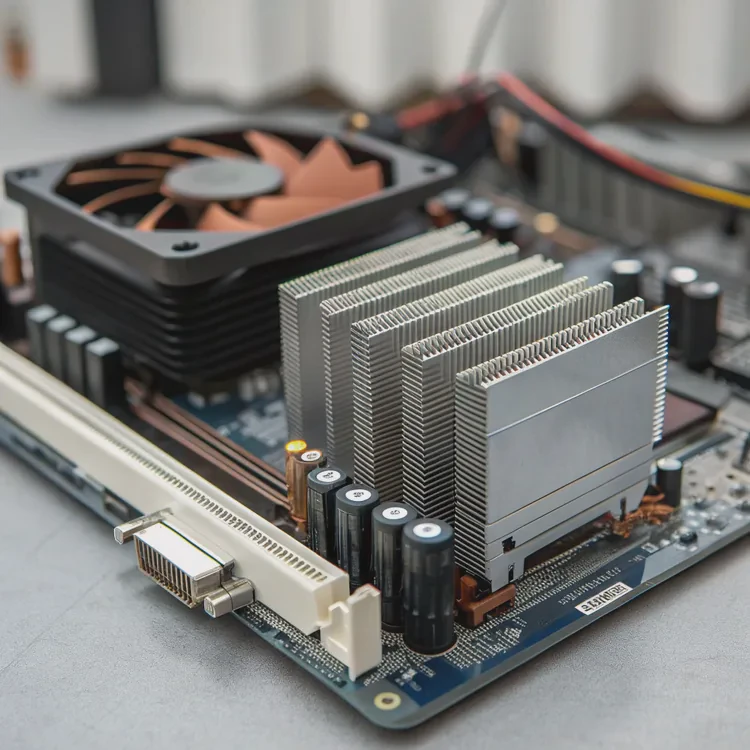
When a computer runs powerful programs, it creates heat fast. Without good cooling, that heat can damage its main components or make them unstable.
A heat sink in a computer is a thermal device that draws heat away from key components like the CPU or GPU to keep them cool and maintain performance.
Computers depend on stable temperatures to operate smoothly. A proper heat sink ensures that even during heavy use, the system stays reliable, quiet, and efficient.
How Does a Heat Sink in a Computer Function?
Every time your processor or graphics card works hard, it releases heat energy. That heat must be moved away quickly to prevent overheating and damage.
A heat sink works by absorbing heat from the chip and spreading it across metal fins, where air or liquid flow removes the heat from the system.
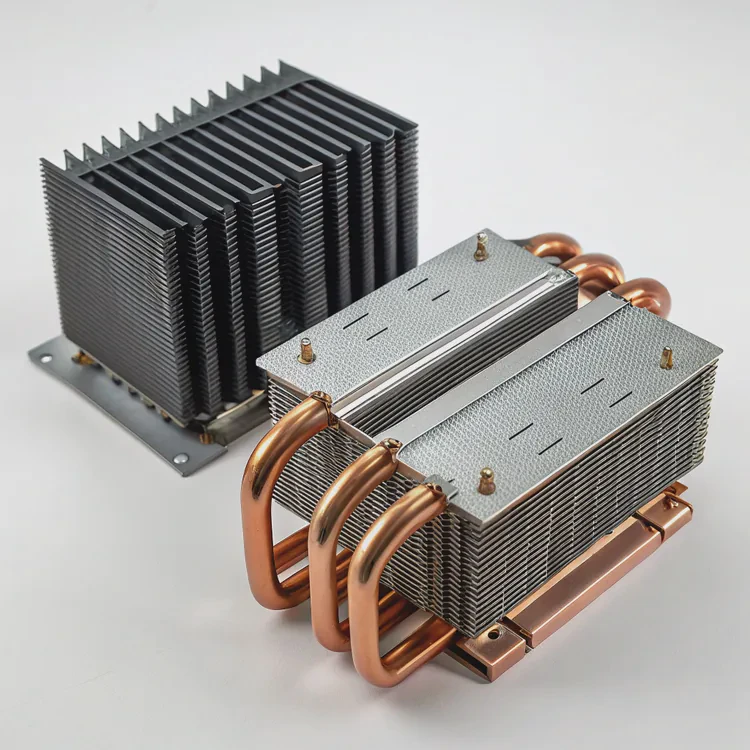
A heat sink operates based on two main principles: conduction and convection. Conduction moves heat from the hot surface (like a CPU) into the metal body of the heat sink. Convection then transfers that heat into the air or coolant.
Most computer heat sinks are made from aluminum or copper, since both metals conduct heat well. Copper transfers heat faster, while aluminum is lighter and cheaper.
Some advanced designs use heat pipes or vapor chambers, which move heat more evenly across the sink’s surface, allowing for better thermal balance.
Core Components of a Computer Heat Sink
| Component | Purpose |
|---|---|
| Base Plate | Contacts the chip and absorbs heat |
| Heat Pipes | Moves heat from the base to the fins |
| Fins | Increases surface area for faster cooling |
| Fan | Blows air through fins to boost convection |
Different systems use either passive cooling (no fans) or active cooling (with fans or liquid pumps). The more power your components use, the more active cooling you’ll need.
Why Is a Heat Sink Important in Computers?
Computers process millions of calculations per second. This generates heat that can degrade materials and slow down chips if it’s not managed.
A heat sink is important because it prevents overheating, protects components, improves performance, and extends the lifespan of the computer.
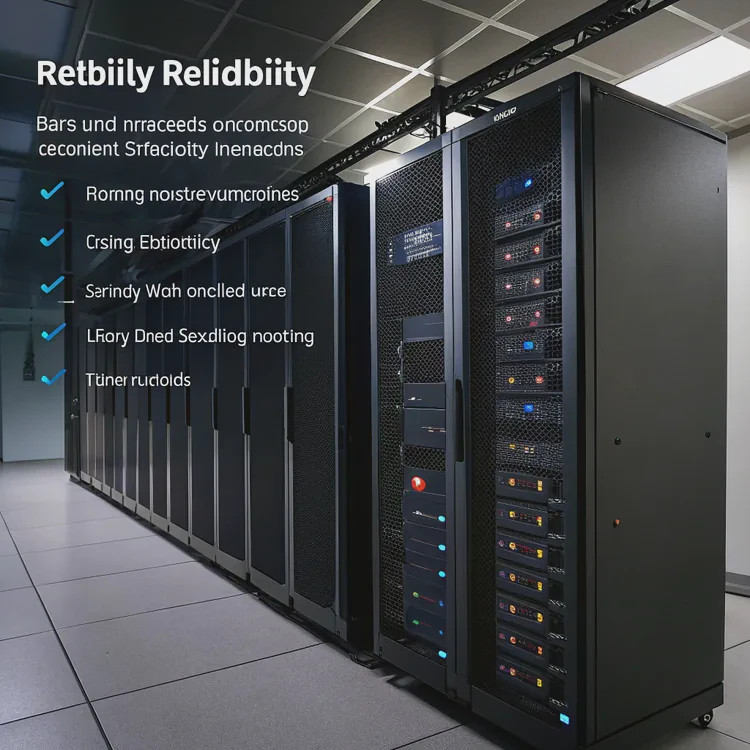
Without a heat sink, a CPU would overheat in seconds, leading to shutdowns or permanent damage. Many modern CPUs and GPUs include built-in temperature sensors that throttle performance when they get too hot — this is known as thermal throttling.
Benefits of Using an Effective Heat Sink
| Benefit | Description |
|---|---|
| Performance | Prevents thermal throttling during high loads |
| Reliability | Keeps system stable under long operation |
| Durability | Reduces wear from repeated heat cycles |
| Noise Reduction | Enables quieter fans or passive operation |
| Energy Efficiency | Maintains optimal power balance |
Good heat management helps every part of your computer work at its best. That’s why engineers invest time in matching the right heat sink with the right system.
How to Choose a Heat Sink for Computer Components?
Selecting a proper heat sink is not just about size or brand — it’s about matching thermal performance with your computer’s unique design and workload.
To choose the right heat sink, evaluate your CPU or GPU’s heat output, case dimensions, airflow, and noise preferences before buying.
Step-by-Step Guide to Choosing
Check TDP (Thermal Design Power):
The TDP tells you how much heat the CPU or GPU produces. Choose a heat sink rated higher than that number.Match Socket and Size:
Ensure compatibility with your motherboard socket (e.g., LGA1700, AM5). Measure your case height and clearance for tall coolers.Select Cooling Type:
- Air Cooling: Great for most users, simple and affordable.
- Liquid Cooling: Ideal for overclocking or compact builds.
- Hybrid: Combines both for maximum flexibility.
- Air Cooling: Great for most users, simple and affordable.
Material Choice:
Copper bases transfer heat fast, while aluminum fins reduce weight.
High-end models often combine both metals for efficiency.Fan and Noise Level:
Larger fans (120–140mm) move more air with less noise.
PWM-controlled fans adjust automatically based on temperature.Check Reviews and Test Results:
Look at trusted benchmarks and compare thermal data to confirm actual performance before purchase.
Choosing the right heat sink ensures your computer runs cooler, quieter, and longer. It’s an investment in both performance and peace of mind.
What Are the Innovations in Computer Heat Sink Design?
As processors evolve and become smaller yet more powerful, cooling technologies must advance too. Traditional fin-and-fan systems are no longer enough for extreme workloads.
Recent innovations in heat sink design include vapor chamber bases, phase-change cooling materials, 3D fin structures, and AI-assisted fan control systems.
Emerging Design Trends
1. Vapor Chamber Cooling
Vapor chambers spread heat faster and more evenly across surfaces than regular heat pipes. They’re now used in gaming laptops, servers, and compact PCs.
2. Phase-Change Materials (PCM)
PCMs absorb heat when they melt and release it as they solidify. This keeps temperatures stable even during sudden spikes.
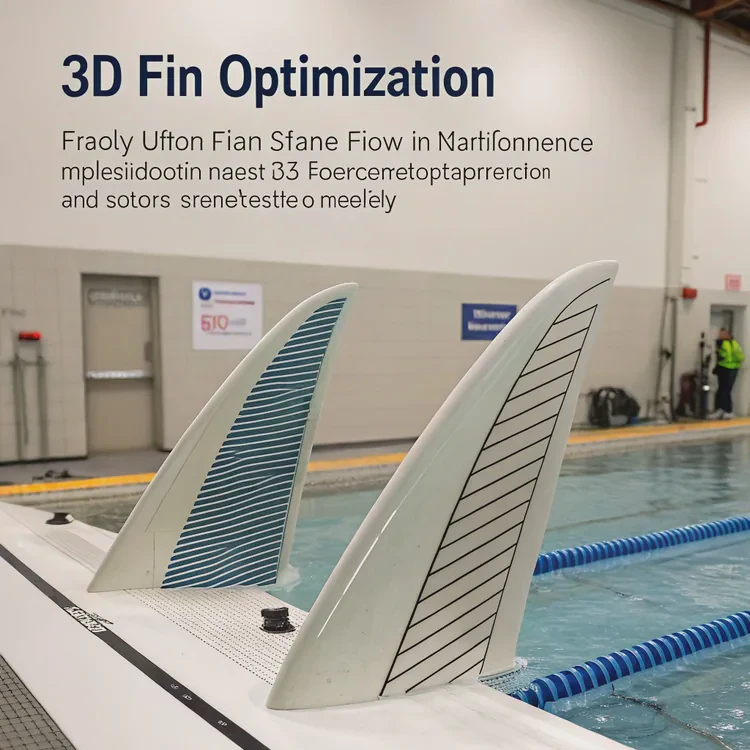
3. 3D Fin Optimization
New manufacturing techniques allow ultra-thin fins arranged in 3D layers. This maximizes airflow and increases heat dissipation by up to 20%.
4. Graphene and Composite Metals
Graphene coatings and copper-aluminum hybrids offer high conductivity with less weight — ideal for both portable and high-performance systems.
5. Smart Thermal Control
AI-based cooling systems adjust fan speed and flow direction automatically. This improves performance while reducing noise.
Future Outlook
| Innovation | Key Feature | Benefit |
|---|---|---|
| Vapor Chamber | Uniform heat spread | Boosts compact cooling |
| PCM Integration | Dynamic temperature control | Reduces spikes |
| Graphene Coating | Higher conductivity | Lighter structure |
| AI Fan Control | Adaptive performance | Lower noise, longer life |
These innovations aim to make heat sinks more efficient, lighter, and smarter. As technology moves forward, cooling will no longer just be about removing heat — it will become part of the system’s intelligent performance design.
Conclusion
A computer heat sink is the backbone of thermal control. It protects vital parts, ensures reliable operation, and enables high performance without overheating. Choosing the right one and understanding new designs help every system reach its full potential.
TAGS
Latest Articles

Volume discount levels for heat sink orders?
Buyers often ask when heat sink prices start to drop with volume. Many worry they’re overpaying for small orders. This guide explains how B2B volume pricing works for thermal components. Heat sink
21 Dec,2025
Heat sink long-term supply contract options?
Many buyers want stable pricing and reliable delivery for heat sinks. But without a clear contract, risks grow over time. This article explores how to secure better long-term supply deals. Long-term
21 Dec,2025
Tooling cost for new heat sink profiles?
Many engineers struggle to understand why tooling for custom heat sinks costs so much. They worry about budgeting and production timelines. This article breaks down the cost drivers behind tooling.
21 Dec,2025
Heat sink custom sample process steps?
Sometimes, starting a custom heat sink project feels overwhelming—too many steps, too many unknowns, and too many risks. You want a sample, but not endless delays. The process for requesting and
20 Dec,2025
Standard B2B terms for heat sink payments?
When buyers and sellers in B2B heat sink markets talk about payment, many don’t fully understand what’s standard. This can lead to delayed orders, miscommunication, and even lost business
20 Dec,2025
Heat sink pricing factors for large orders?
Heat sinks are vital for many systems. When prices rise, projects stall and budgets break. This problem can hit teams hard without warning. Large order heat sink pricing depends on many factors. You
20 Dec,2025Related Articles
- What Is a Heat Sink Computer?
- How to fix heat sink on 3D printer nozzle?
- What is an Extruded Heat Sink?
- Are Vapour Chambers the Future of Data Center Cooling?
- What is liquid cooling?
- What is a vapor chamber heatsink?
- What Do Heat Sinks Do?
- What Is a Heat Sink in Computer?
- What is a heat sink on a computer?
- Does heat rise or sink?
- What is a CPU heat sink?
- What is a heat sink on an SSD?
Author
Dr. Emily Chen
Chief AI Researcher
Leading expert in thermal dynamics and AI optimization with over 15 years of experience in data center efficiency research.
Categories
Latest Products






Recommend Categories
- Liquid cooling plate Manufacturer
- Industrial Heat Sink Manufacturer
- Standard Heat Sink Manufacturer
- Aluminum Heat Sink Manufacturer
- Copper Heat Sink Manufacturer
- Anodized Heatsink Manufacturer
- Stamping heat sink Manufacturer
- Die Casting Heatsink Manufacturer
- Soldering heat sink Manufacturer
- CNC Parts Manufacturer
Latest Products
- Wholesale Aluminum Radiator
- Water Cooling Plate Kit
- Water Cooling Heat Sink
- Water Cooling Heat Sink Kit
- Stainless Steel Water Distributor
- Server Water Cooling Plate Kit
- Server Liquid Cooling System
- Server Aluminum Cooling Kit
- S19 Full Cover Cooling Plate
- S19 Cooling Plate Kit
- S19 Aluminum Cooling Plate
Contact Expert
Have questions about this article? Reach out to our experts directly.