How to fix heat sink on 3D printer nozzle?
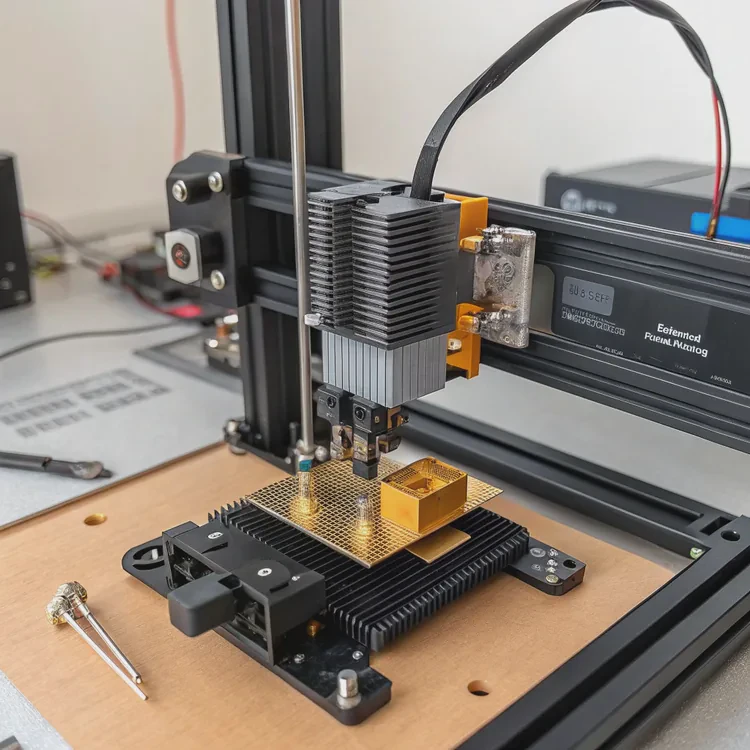
When a 3D printer suddenly starts clogging or printing with uneven layers, it’s often not the filament’s fault—it’s heat creeping up the nozzle.
A heat sink on a 3D printer nozzle helps control heat flow, and fixing it properly prevents clogs, improves print quality, and extends the printer’s lifespan.
Many users overlook this small metal part, but it plays a huge role in temperature stability. If the heat sink becomes loose or misaligned, the thermal barrier fails, and your print quality drops fast.
What is a 3D printer nozzle heat sink and how does it work?
A hot nozzle can melt filament before it reaches the heater block, causing jams and rough prints.
A 3D printer nozzle heat sink absorbs and dissipates heat from the hot end, keeping the upper filament cool before it enters the melt zone.
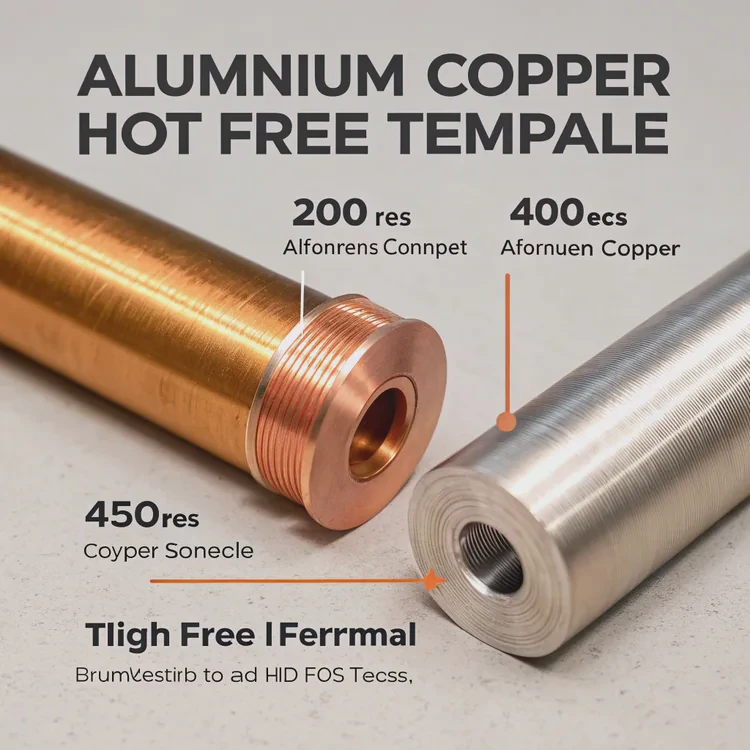
A heat sink is usually made of aluminum or copper. It has thin fins that increase surface area and allow air to flow easily through them. When a cooling fan blows across these fins, it draws heat away from the nozzle and dissipates it into the surrounding air.
How it works step by step
- Heat conduction – Heat travels from the heater block upward through the throat tube.
- Heat absorption – The heat sink material absorbs some of this heat.
- Heat dissipation – The attached fan pushes cool air through the fins, carrying heat away.
- Temperature balance – The filament stays solid until it reaches the melt zone, ensuring clean extrusion.
| Material | Conductivity (W/m·K) | Common Use |
|---|---|---|
| Aluminum | 205 | Standard hot ends |
| Copper | 400 | High-performance systems |
| Titanium | 22 | Used for thermal isolation |
In short, the heat sink ensures thermal separation between the cold and hot zones of the extruder. Without it, filament would soften too early, leading to “heat creep.”
Why is a properly fixed heat sink important for 3D printing quality?
When the heat sink is loose, your prints show strange symptoms: under-extrusion, stringing, and even complete nozzle clogs.
A properly fixed heat sink keeps the filament path stable and maintains precise temperature control, ensuring smoother extrusion and consistent print layers.
A loose heat sink breaks the balance between hot and cold zones. This leads to uneven filament flow, causing bulges and stringing. Over time, the nozzle may clog due to partially melted filament in the throat area. A tight and clean connection between all hot end parts keeps temperatures consistent.
Common problems from loose heat sinks
| Problem | Cause | Visible Symptom |
|---|---|---|
| Heat creep | Poor contact between heat sink and throat | Clogged nozzle |
| Stringing | Inconsistent cooling | Thin plastic threads on model |
| Under-extrusion | Air gaps in assembly | Missing layers |
| Overheating | Fan misalignment | Burnt or warped filament |
Practical example
When I once replaced my PTFE tube, I forgot to tighten the heat sink properly. After 20 minutes of printing, the filament jammed halfway. When I disassembled it, I found softened filament trapped above the throat. Since then, I always double-check every screw before starting a print.
Proper mounting ensures the cooling fan works effectively. Even small misalignment can disrupt airflow, making cooling inefficient. Tightening the heat sink firmly but not excessively helps avoid stripping the aluminum threads.
How to install or tighten a heat sink on a 3D printer nozzle?
If your 3D printer starts jamming or extruding unevenly, the heat sink might need cleaning or tightening.
To fix or install a heat sink, turn off and cool the printer, disassemble the hot end carefully, clean contact surfaces, apply thermal paste if required, and reassemble with proper alignment.
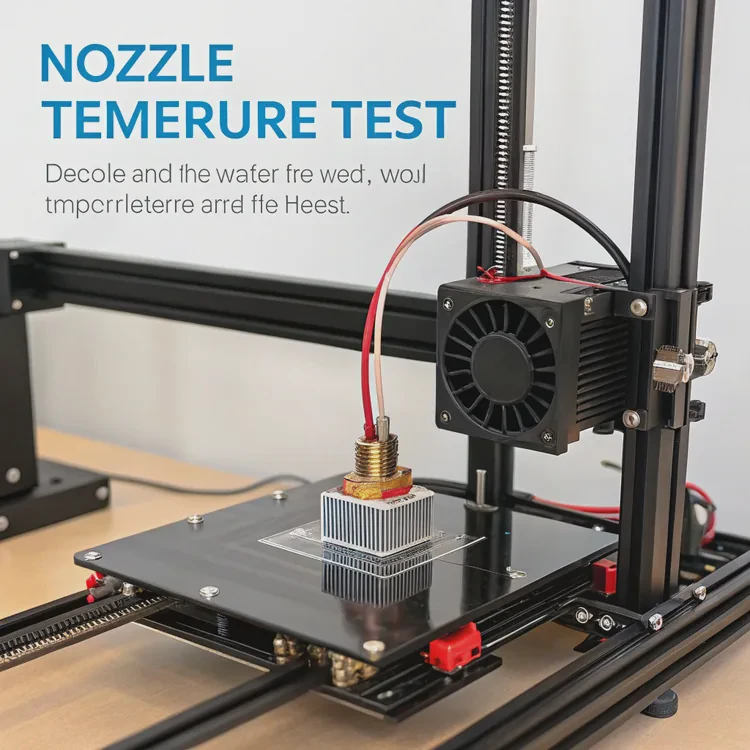
Step-by-step installation guide
- Power off and cool down
Always disconnect power and wait until the hot end reaches room temperature.
- Disassemble the hot end
Remove the fan shroud, cooling fan, and the old heat sink if present.
- Clean the contact surfaces
Use isopropyl alcohol to clean the throat tube threads and the inside of the heat sink.
- Apply thermal compound (optional)
A small amount of thermal paste between the throat and heat sink improves heat transfer.
- Reattach the throat tube
Screw the throat tube into the heat sink until snug—do not overtighten.
- Align the heat sink and fan
Make sure airflow passes directly through the fins.
- Secure the fan
Use the original screws or clips. Check that it spins freely.
- Test the setup
Run a temperature test: heat the nozzle and check the cooling performance.
Important safety note
Never tighten the heat sink while the hot end is hot. The expansion of metals can cause misalignment or damage to threads. Also, avoid using excessive force—gentle torque ensures stability without stripping the metal.
Maintenance tips
- Clean dust from the fan and fins monthly.
- Replace thermal paste every six months if used.
- Check fan direction—it should blow onto the heat sink, not away from it.
- Inspect for bent fins or loose screws before every major print job.
With regular care, your heat sink will keep your extruder cool and efficient for years.
What are the latest innovations in 3D printer heat sink design?
Traditional heat sinks work well, but new designs are pushing performance even further.
Recent innovations include liquid-cooled, vapor chamber, and hybrid metal heat sinks that enhance thermal stability for high-speed 3D printing.
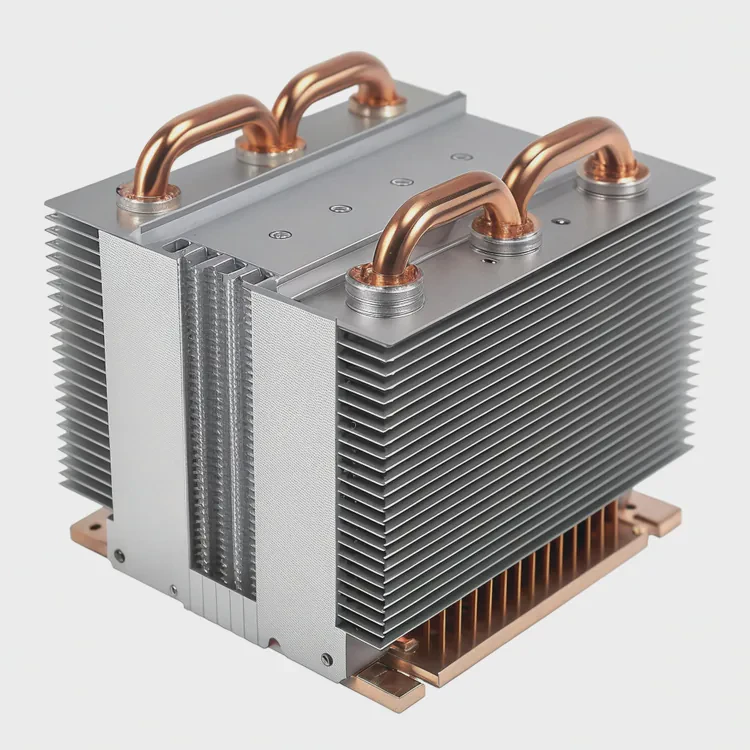
1. Liquid-cooled heat sinks
Some industrial printers use water or coolant loops to absorb and carry heat away from the hot end. This method is quiet and extremely stable under continuous printing.
Liquid-cooled systems are ideal for high-temperature filaments like PEEK and PEI, where air cooling may not be enough.
2. Vapor chamber heat sinks
These use a sealed metal plate with a small amount of liquid inside. When heated, the liquid vaporizes and moves heat rapidly across the plate, then condenses and recycles.
This technology provides uniform cooling across the entire surface and prevents local hot spots.
3. Hybrid metal designs
Modern heat sinks now combine copper cores for high conductivity with aluminum fins for lightweight structure.
This design merges the strengths of both metals, achieving high thermal efficiency without adding extra weight to the print head.
4. Additive-manufactured heat sinks
Interestingly, 3D printing itself is now used to make optimized heat sinks.
Manufacturers use lattice and topology-optimized structures to reduce mass while keeping strength.
These designs allow air to flow more freely, improving overall cooling performance.
Comparison of modern heat sink types
| Type | Cooling Efficiency | Noise Level | Maintenance | Typical Use |
|---|---|---|---|---|
| Air-cooled | Medium | Low | Simple | Standard printers |
| Liquid-cooled | High | Very Low | Moderate | Industrial/high-temp printers |
| Vapor chamber | Very High | Low | Low | Precision printing |
| Hybrid metal | High | Low | Simple | Upgraded hot ends |
5. Smart heat sinks
Some high-end printers now integrate temperature sensors and AI-based cooling control directly into the heat sink.
This system adjusts fan speed dynamically, responding to filament type and print speed.
It helps reduce energy consumption while maintaining constant print quality.
Conclusion
A well-fixed and properly working heat sink is vital for consistent, high-quality 3D printing. It prevents heat creep, ensures stable extrusion, and prolongs hot end life. By understanding how it works and maintaining it carefully, we can print faster, cleaner, and with fewer interruptions.
TAGS
Latest Articles

Volume discount levels for heat sink orders?
Buyers often ask when heat sink prices start to drop with volume. Many worry they’re overpaying for small orders. This guide explains how B2B volume pricing works for thermal components. Heat sink
21 Dec,2025
Heat sink long-term supply contract options?
Many buyers want stable pricing and reliable delivery for heat sinks. But without a clear contract, risks grow over time. This article explores how to secure better long-term supply deals. Long-term
21 Dec,2025
Tooling cost for new heat sink profiles?
Many engineers struggle to understand why tooling for custom heat sinks costs so much. They worry about budgeting and production timelines. This article breaks down the cost drivers behind tooling.
21 Dec,2025
Heat sink custom sample process steps?
Sometimes, starting a custom heat sink project feels overwhelming—too many steps, too many unknowns, and too many risks. You want a sample, but not endless delays. The process for requesting and
20 Dec,2025
Standard B2B terms for heat sink payments?
When buyers and sellers in B2B heat sink markets talk about payment, many don’t fully understand what’s standard. This can lead to delayed orders, miscommunication, and even lost business
20 Dec,2025
Heat sink pricing factors for large orders?
Heat sinks are vital for many systems. When prices rise, projects stall and budgets break. This problem can hit teams hard without warning. Large order heat sink pricing depends on many factors. You
20 Dec,2025Related Articles
- What is an Extruded Heat Sink?
- Are Vapour Chambers the Future of Data Center Cooling?
- What is liquid cooling?
- What is a vapor chamber heatsink?
- What Is a Heat Sink Computer?
- What Is a Heat Sink in a Computer?
- What Do Heat Sinks Do?
- What Is a Heat Sink in Computer?
- What is a heat sink on a computer?
- Does heat rise or sink?
- What is a CPU heat sink?
- What is a heat sink on an SSD?
Author
Dr. Emily Chen
Chief AI Researcher
Leading expert in thermal dynamics and AI optimization with over 15 years of experience in data center efficiency research.
Categories
Latest Products






Recommend Categories
- Liquid cooling plate Manufacturer
- Industrial Heat Sink Manufacturer
- Standard Heat Sink Manufacturer
- Aluminum Heat Sink Manufacturer
- Copper Heat Sink Manufacturer
- Anodized Heatsink Manufacturer
- Stamping heat sink Manufacturer
- Die Casting Heatsink Manufacturer
- Soldering heat sink Manufacturer
- CNC Parts Manufacturer
Latest Products
- Wholesale Aluminum Radiator
- Water Cooling Plate Kit
- Water Cooling Heat Sink
- Water Cooling Heat Sink Kit
- Stainless Steel Water Distributor
- Server Water Cooling Plate Kit
- Server Liquid Cooling System
- Server Aluminum Cooling Kit
- S19 Full Cover Cooling Plate
- S19 Cooling Plate Kit
- S19 Aluminum Cooling Plate
Contact Expert
Have questions about this article? Reach out to our experts directly.