What Do Heat Sinks Do?
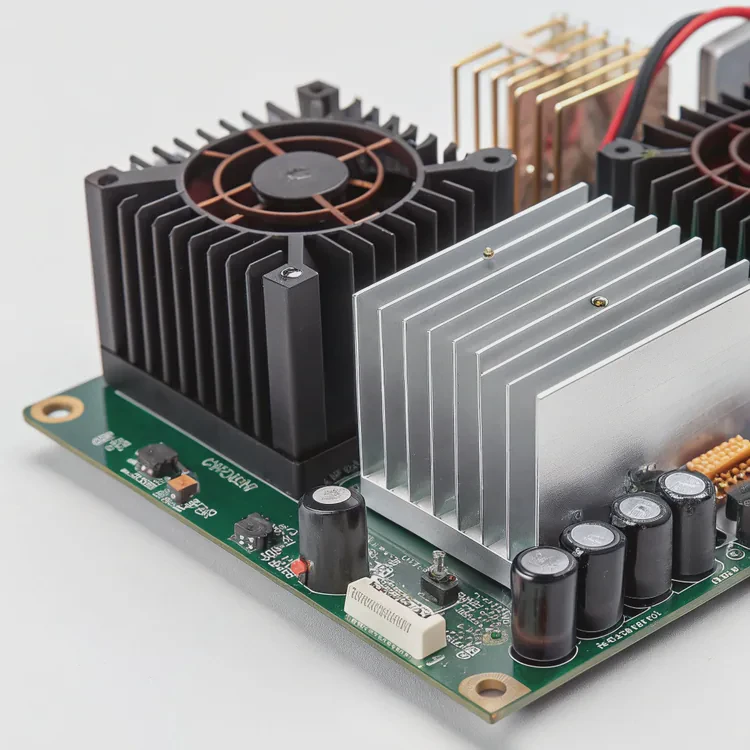
Every electronic device generates heat when it operates. Without an effective way to manage that heat, systems can overheat and fail.
A heat sink removes heat from electronic components by absorbing and spreading it into the surrounding air or cooling medium.
It acts as a bridge between a hot component and the cooler environment, ensuring the temperature stays within safe limits for stable performance.
How Do Heat Sinks Transfer Heat?
When a processor or power module runs, it builds up thermal energy. If that heat stays trapped, performance drops or the device shuts down to protect itself.
Heat sinks transfer heat through conduction, convection, and sometimes radiation to move energy away from the component.
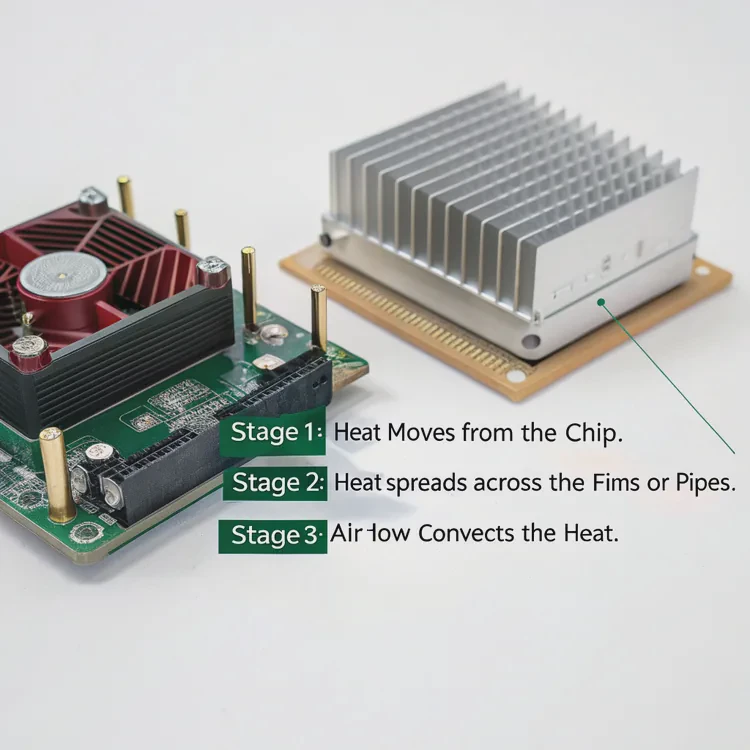
The process begins at the base plate, which touches the component’s surface. The material—usually copper or aluminum—absorbs heat by conduction. The heat then flows through heat pipes or vapor chambers to reach the fins, where it spreads over a large surface area. Air or liquid moving across these fins removes the heat through convection.
Some high-performance systems, such as those used in servers or gaming PCs, also use liquid cooling plates. These plates move heat into circulating coolant for rapid dissipation.
Basic Heat Transfer Process
| Step | Type of Transfer | Description |
|---|---|---|
| 1 | Conduction | Heat moves from chip to heat sink base |
| 2 | Spreading | Heat distributes across fins or pipes |
| 3 | Convection | Air or coolant carries heat away |
| 4 | Exhaust | Heat is released into the environment |
Materials That Enhance Heat Transfer
- Copper: Excellent conductor, used in base plates and heat pipes
- Aluminum: Lightweight and cost-effective for fins
- Graphene or Composite Metals: Emerging materials with ultra-high conductivity
Understanding these principles helps engineers design more efficient systems and ensures long-term component stability.
What Are the Advantages of Using Heat Sinks?
When I first worked with high-power modules, I learned quickly that temperature is the silent killer. A small rise in heat can cause huge losses in performance.
The advantages of using heat sinks include improved efficiency, longer component life, reduced noise, and greater system reliability.
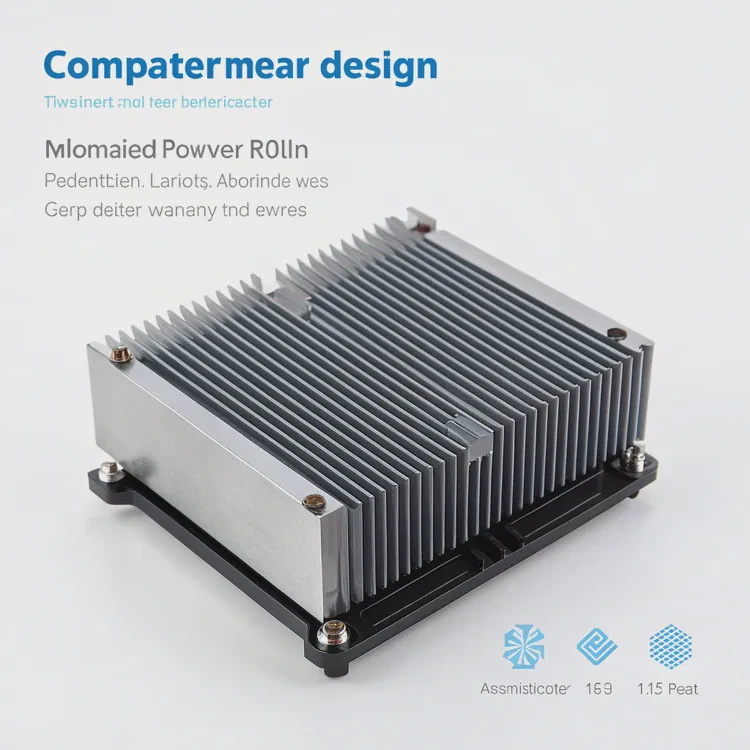
A good heat sink is like insurance—it protects your investment while boosting performance. It ensures devices can handle high loads without damage or thermal throttling.
Key Advantages Overview
| Advantage | Description |
|---|---|
| Performance Stability | Keeps devices cool under heavy load |
| Extended Lifespan | Prevents thermal stress and aging |
| Noise Reduction | Reduces fan speed requirements |
| Energy Efficiency | Improves power-to-performance ratio |
| Design Flexibility | Allows compact or fanless systems |
Why It Matters
Heat sinks allow for smaller, faster, and quieter devices. From laptops to industrial equipment, they make it possible to push performance limits safely. Efficient cooling systems also reduce electricity use, making products more sustainable and reliable for long-term use.
How to Install and Maintain a Heat Sink?
Even the best heat sink won’t perform well if installed incorrectly. Proper contact and clean surfaces are key to achieving effective cooling.
To install a heat sink, clean the surface, apply thermal paste, secure it firmly, and ensure good airflow for consistent heat removal.
Installation Steps
Prepare the Surface:
Wipe the component (like a CPU) with isopropyl alcohol to remove dust and old thermal paste.Apply Thermal Compound:
Use a small, even layer of thermal paste to fill microscopic air gaps between surfaces. This improves heat conduction.Align and Mount the Heat Sink:
Position it correctly on the chip and tighten the mounting screws evenly. Uneven pressure can cause poor contact.Connect the Fan or Pump (if applicable):
Attach power cables and confirm fan direction matches the case airflow.Test and Monitor:
Power up the system and check temperatures with monitoring software to verify proper installation.
Maintenance Tips
| Task | Frequency | Purpose |
|---|---|---|
| Dust Cleaning | Every 3–6 months | Prevents airflow blockage |
| Thermal Paste Replacement | Every 1–2 years | Restores heat transfer efficiency |
| Fan Inspection | Every 6 months | Ensures consistent airflow |
| Mounting Check | Annually | Prevents loose connections |
Regular cleaning and maintenance keep the heat sink efficient and silent. Ignoring this step often leads to higher noise levels and performance drops.
What Are the Future Developments in Heat Sink Technology?
Technology is evolving fast, and so is thermal management. As chips grow smaller and more powerful, traditional cooling reaches its limits.
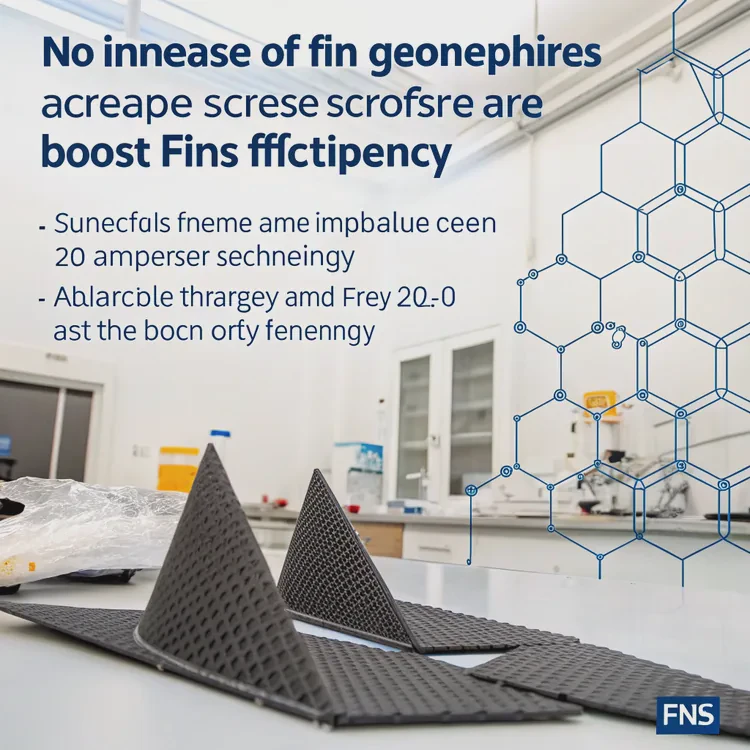
Future developments in heat sink technology include microchannel cooling, phase-change materials, AI-controlled systems, and additive manufacturing for 3D fin designs.
Upcoming Innovations
1. Microchannel and Liquid Loop Cooling
Engineers are now designing microchannel heat sinks, where coolant flows through microscopic paths for ultra-fast heat removal. These are ideal for servers and electric vehicle modules.
2. Phase-Change Materials (PCM)
PCM technology allows heat sinks to store and release heat dynamically, maintaining a steady temperature even under fluctuating loads.
3. 3D Printing and Additive Manufacturing
With metal 3D printing, designers can now create complex fin geometries that were impossible before. This increases surface area and boosts efficiency.
4. Graphene and Nanostructure Coatings
Ultra-thin graphene coatings enhance conductivity and reduce corrosion, paving the way for lightweight yet powerful cooling systems.
5. AI-Driven Thermal Control
Next-generation computers will feature smart thermal management, where AI adjusts fan speeds, flow rates, and even fin orientation in real-time.
Future Comparison Table
| Technology | Function | Advantage |
|---|---|---|
| Microchannel Cooling | Coolant flows through tiny paths | High cooling efficiency |
| PCM Cooling | Heat absorbed and released gradually | Stable temperature |
| 3D Fin Design | Custom fin structures via printing | Lightweight and compact |
| Graphene Coating | High thermal conductivity layer | Reduces thermal resistance |
| AI Control | Real-time thermal management | Energy-efficient cooling |
The future of heat sinks blends smart design with intelligent systems. The goal is not just to remove heat, but to predict, control, and optimize it. This marks a new era where cooling becomes an active part of system intelligence.
Conclusion
Heat sinks are the quiet heroes of modern electronics. They move heat away, protect performance, and enable innovation. As new materials and smart designs emerge, the next generation of heat sinks will make devices cooler, smaller, and smarter than ever before.
TAGS
Latest Articles

Volume discount levels for heat sink orders?
Buyers often ask when heat sink prices start to drop with volume. Many worry they’re overpaying for small orders. This guide explains how B2B volume pricing works for thermal components. Heat sink
21 Dec,2025
Heat sink long-term supply contract options?
Many buyers want stable pricing and reliable delivery for heat sinks. But without a clear contract, risks grow over time. This article explores how to secure better long-term supply deals. Long-term
21 Dec,2025
Tooling cost for new heat sink profiles?
Many engineers struggle to understand why tooling for custom heat sinks costs so much. They worry about budgeting and production timelines. This article breaks down the cost drivers behind tooling.
21 Dec,2025
Heat sink custom sample process steps?
Sometimes, starting a custom heat sink project feels overwhelming—too many steps, too many unknowns, and too many risks. You want a sample, but not endless delays. The process for requesting and
20 Dec,2025
Standard B2B terms for heat sink payments?
When buyers and sellers in B2B heat sink markets talk about payment, many don’t fully understand what’s standard. This can lead to delayed orders, miscommunication, and even lost business
20 Dec,2025
Heat sink pricing factors for large orders?
Heat sinks are vital for many systems. When prices rise, projects stall and budgets break. This problem can hit teams hard without warning. Large order heat sink pricing depends on many factors. You
20 Dec,2025Related Articles
- What Is a Heat Sink in a Computer?
- What Is a Heat Sink Computer?
- How to fix heat sink on 3D printer nozzle?
- What is an Extruded Heat Sink?
- Are Vapour Chambers the Future of Data Center Cooling?
- What is liquid cooling?
- What Is a Heat Sink in Computer?
- What is a heat sink on a computer?
- Does heat rise or sink?
- What is a CPU heat sink?
- What is a heat sink on an SSD?
- What does a heat sink do?
Author
Dr. Emily Chen
Chief AI Researcher
Leading expert in thermal dynamics and AI optimization with over 15 years of experience in data center efficiency research.
Categories
Latest Products






Recommend Categories
- Liquid cooling plate Manufacturer
- Industrial Heat Sink Manufacturer
- Standard Heat Sink Manufacturer
- Aluminum Heat Sink Manufacturer
- Copper Heat Sink Manufacturer
- Anodized Heatsink Manufacturer
- Stamping heat sink Manufacturer
- Die Casting Heatsink Manufacturer
- Soldering heat sink Manufacturer
- CNC Parts Manufacturer
Latest Products
- Wholesale Aluminum Radiator
- Water Cooling Plate Kit
- Water Cooling Heat Sink
- Water Cooling Heat Sink Kit
- Stainless Steel Water Distributor
- Server Water Cooling Plate Kit
- Server Liquid Cooling System
- Server Aluminum Cooling Kit
- S19 Full Cover Cooling Plate
- S19 Cooling Plate Kit
- S19 Aluminum Cooling Plate
Contact Expert
Have questions about this article? Reach out to our experts directly.