What Is a Heat Sink in Computer?
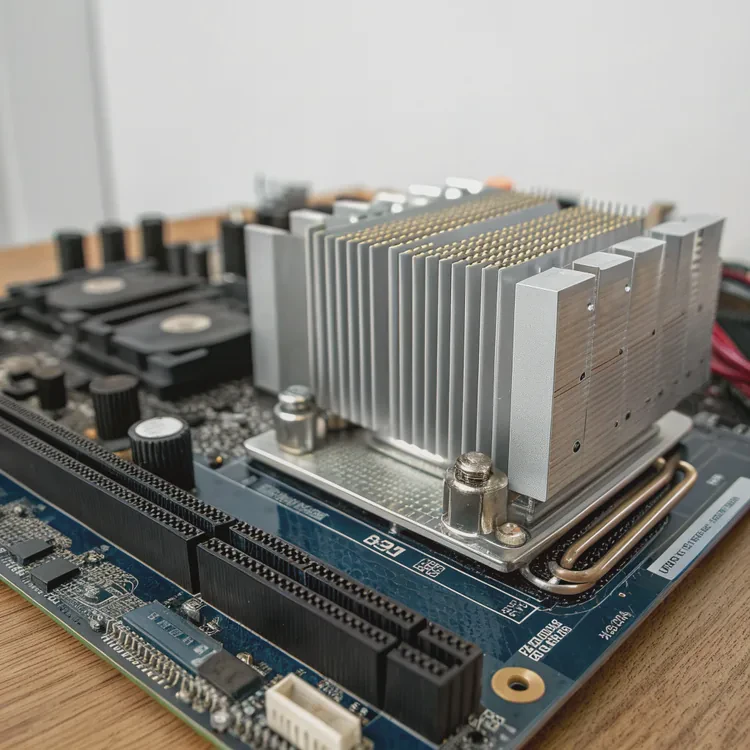
Every computer, no matter how fast or powerful, generates heat when running. Without a way to release that heat, parts can fail or slow down.
A heat sink in a computer is a metal device that draws heat away from components like the CPU or GPU to keep them cool and stable.
The heat sink acts as a thermal bridge between the processor and the surrounding air, helping the system maintain safe operating temperatures and better performance.
How Does a Heat Sink Help Cool Computer Parts?
When processors work, they convert electrical energy into heat. If that heat stays trapped, the computer starts throttling or even shuts down to protect itself.
A heat sink helps cool computer parts by absorbing heat from the chip and spreading it across fins where air or liquid flow removes the heat.
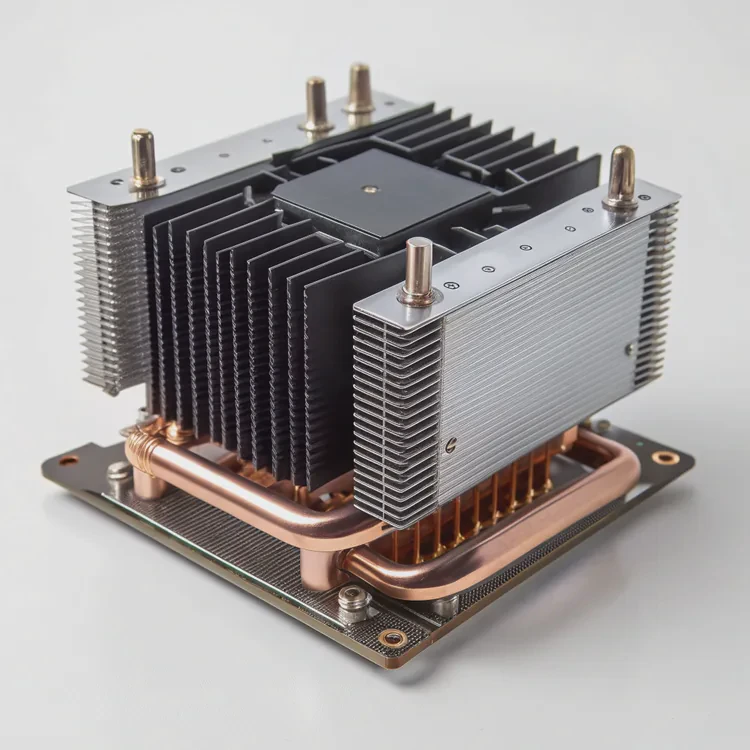
The process works through conduction and convection. First, the heat moves from the chip into the heat sink’s metal base (conduction). Then, air or coolant flowing over the heat sink carries that heat away (convection).
Most heat sinks use aluminum or copper. Aluminum is light and affordable, while copper conducts heat better but weighs more. Many modern designs combine both for the best balance of cost and efficiency.
Key Components of a Computer Heat Sink
| Component | Function |
|---|---|
| Base Plate | Absorbs heat from CPU or GPU surface |
| Heat Pipes | Transfer heat from base to fins |
| Fins | Increase surface area for faster cooling |
| Fan | Boosts airflow through fins |
| Thermal Paste | Improves contact between CPU and sink |
The better the contact between these parts, the faster heat moves out of the system. This is why installing the heat sink correctly makes a huge difference.
What Are the Benefits of Heat Sink in Computers?
Without a proper heat sink, a computer can overheat, freeze, or crash under load. This is a problem for gamers, engineers, and anyone who relies on consistent performance.
The benefits of a computer heat sink include stable operation, longer component life, higher performance, and quieter cooling.
Main Benefits Explained
| Benefit | Description |
|---|---|
| Thermal Stability | Keeps temperatures steady under stress |
| Performance | Prevents CPU/GPU from slowing down |
| Longevity | Protects sensitive chips from overheating |
| Noise Reduction | Enables low-speed, quiet fans |
| Efficiency | Uses energy more effectively |
Why It Matters
Heat sinks are not only for gaming rigs or workstations. Even office PCs and laptops use them to manage temperature. Good cooling means fewer system crashes, faster processing, and a longer life for expensive components.
In industrial systems, stable cooling is even more critical because downtime can lead to lost productivity or damage to sensitive electronics.
How to Pick a Proper Heat Sink for PC?
Choosing the right heat sink is about matching cooling performance with your system’s design, noise tolerance, and power level.
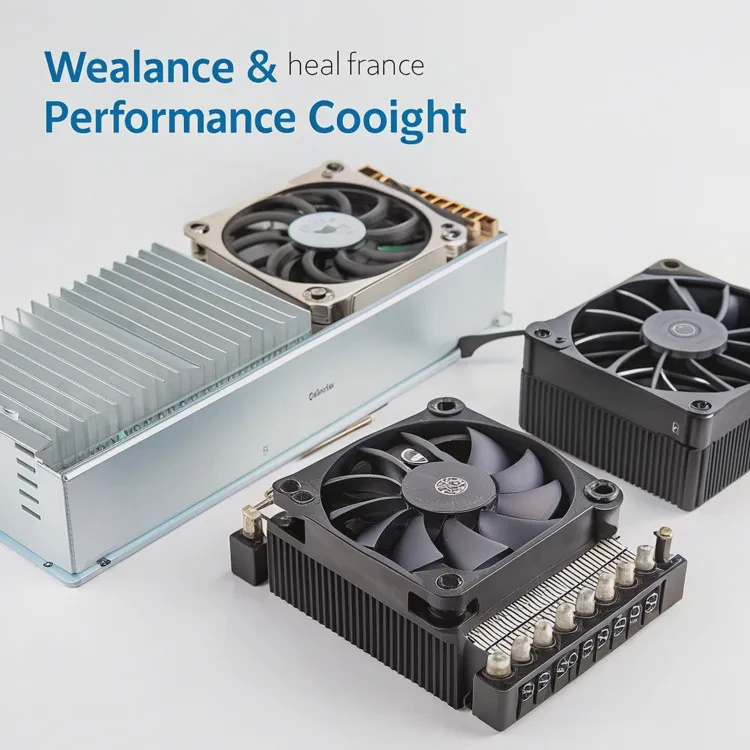
To pick a proper heat sink, check the CPU’s power rating, case size, airflow direction, and cooling type that fits your build.
Key Factors to Consider
CPU Thermal Design Power (TDP):
The TDP shows how much heat your CPU produces. Choose a heat sink rated for equal or higher TDP.Socket Compatibility:
Ensure the heat sink matches your CPU socket (e.g., LGA1700, AM5). Each model has a specific mounting pattern.Cooling Type:
- Air Cooling: Easiest to install and cost-effective.
- Liquid Cooling: Quieter and more powerful for overclocked CPUs.
- Hybrid Systems: Combine both methods for top performance.
- Air Cooling: Easiest to install and cost-effective.
Size and Clearance:
Check your PC case dimensions to avoid space conflicts with RAM or side panels.Noise Level:
Larger fans move more air with less noise. Look for PWM fans for automatic speed control.Material Quality:
Copper bases and aluminum fins balance performance and weight. Avoid untested or unbranded coolers with poor thermal results.Budget vs. Performance:
A high-end cooler may cost more, but it offers better long-term value and stability.
Selecting the right cooler improves both comfort and confidence in your system’s performance, especially during gaming, 3D rendering, or other high-load tasks.
What Trends Are Shaping Computer Heat Sinks?
Technology keeps moving forward, and so does cooling. Modern CPUs and GPUs are more powerful than ever, demanding smarter and more efficient heat sink designs.
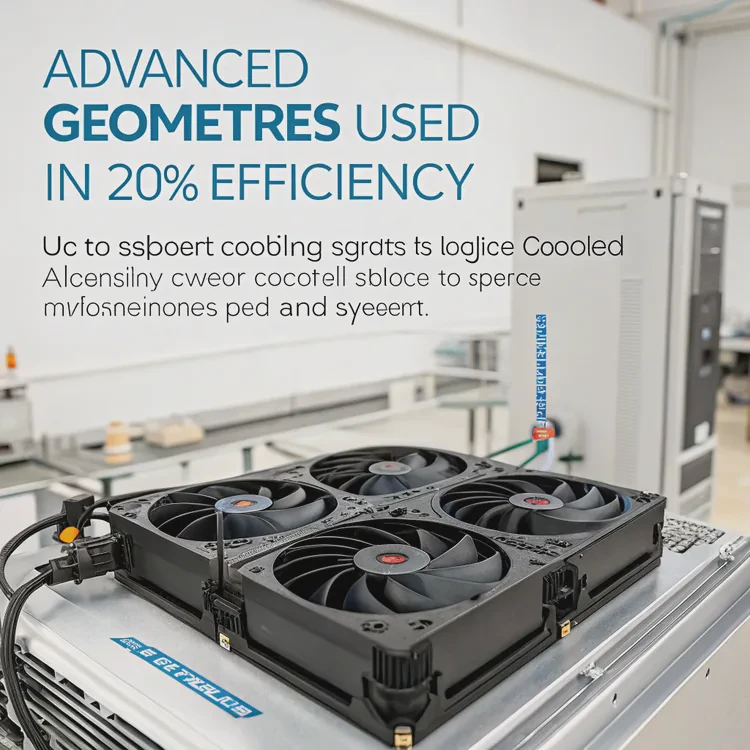
The latest trends shaping computer heat sinks include vapor chambers, graphene coatings, phase-change materials, and AI-based cooling control.
Emerging Trends
1. Vapor Chamber Integration
More high-end coolers now use vapor chambers to spread heat evenly under the base plate. This technology improves cooling in both desktops and laptops.
2. Advanced Materials
Manufacturers are testing graphene layers, composite metals, and carbon-based coatings to increase thermal conductivity while keeping the cooler lightweight.
3. 3D Fin and Microchannel Structures
With new manufacturing methods, engineers design fins and channels that improve airflow and reduce resistance. These complex geometries boost efficiency by up to 20%.
4. Smart Cooling Systems
AI-controlled coolers automatically adjust fan speed and liquid flow depending on system load. This keeps noise low while maintaining ideal temperatures.
5. Eco-Friendly and Modular Designs
Sustainability is becoming part of cooling innovation. Modular heat sinks allow easy part replacement, while recyclable materials reduce waste.
Comparison of Modern Innovations
| Trend | Technology | Key Advantage |
|---|---|---|
| Vapor Chamber | Uniform heat spreading | Better balance across chips |
| Graphene Coating | Ultra-thin high-conductive layer | Faster heat transfer |
| Phase-Change Cooling | Stores and releases heat dynamically | Stable operation |
| AI Fan Control | Automatic thermal optimization | Lower noise, longer lifespan |
| Modular Design | Easy upgrade and maintenance | Sustainable use |
In the near future, we’ll see even smaller, smarter cooling modules that integrate sensors, dynamic fins, and intelligent fan control. These systems won’t just cool components—they’ll actively manage energy and predict thermal behavior.
Conclusion
A heat sink is more than a piece of metal—it’s the heart of a computer’s cooling system. By choosing the right one and understanding new design trends, users can enjoy stable, quiet, and long-lasting performance for every kind of computer setup.
TAGS
Latest Articles

Volume discount levels for heat sink orders?
Buyers often ask when heat sink prices start to drop with volume. Many worry they’re overpaying for small orders. This guide explains how B2B volume pricing works for thermal components. Heat sink
21 Dec,2025
Heat sink long-term supply contract options?
Many buyers want stable pricing and reliable delivery for heat sinks. But without a clear contract, risks grow over time. This article explores how to secure better long-term supply deals. Long-term
21 Dec,2025
Tooling cost for new heat sink profiles?
Many engineers struggle to understand why tooling for custom heat sinks costs so much. They worry about budgeting and production timelines. This article breaks down the cost drivers behind tooling.
21 Dec,2025
Heat sink custom sample process steps?
Sometimes, starting a custom heat sink project feels overwhelming—too many steps, too many unknowns, and too many risks. You want a sample, but not endless delays. The process for requesting and
20 Dec,2025
Standard B2B terms for heat sink payments?
When buyers and sellers in B2B heat sink markets talk about payment, many don’t fully understand what’s standard. This can lead to delayed orders, miscommunication, and even lost business
20 Dec,2025
Heat sink pricing factors for large orders?
Heat sinks are vital for many systems. When prices rise, projects stall and budgets break. This problem can hit teams hard without warning. Large order heat sink pricing depends on many factors. You
20 Dec,2025Related Articles
- What Do Heat Sinks Do?
- What Is a Heat Sink in a Computer?
- What Is a Heat Sink Computer?
- How to fix heat sink on 3D printer nozzle?
- What is an Extruded Heat Sink?
- Are Vapour Chambers the Future of Data Center Cooling?
- What is a heat sink on a computer?
- Does heat rise or sink?
- What is a CPU heat sink?
- What is a heat sink on an SSD?
- What does a heat sink do?
- What is the function of a heat sink?
Author
Dr. Emily Chen
Chief AI Researcher
Leading expert in thermal dynamics and AI optimization with over 15 years of experience in data center efficiency research.
Categories
Latest Products
Recommend Categories
- Liquid cooling plate Manufacturer
- Industrial Heat Sink Manufacturer
- Standard Heat Sink Manufacturer
- Aluminum Heat Sink Manufacturer
- Copper Heat Sink Manufacturer
- Anodized Heatsink Manufacturer
- Stamping heat sink Manufacturer
- Die Casting Heatsink Manufacturer
- Soldering heat sink Manufacturer
- CNC Parts Manufacturer
Latest Products
- Wholesale Aluminum Radiator
- Water Cooling Plate Kit
- Water Cooling Heat Sink
- Water Cooling Heat Sink Kit
- Stainless Steel Water Distributor
- Server Water Cooling Plate Kit
- Server Liquid Cooling System
- Server Aluminum Cooling Kit
- S19 Full Cover Cooling Plate
- S19 Cooling Plate Kit
- S19 Aluminum Cooling Plate
Contact Expert
Have questions about this article? Reach out to our experts directly.