What Is a Heat Sink Computer?
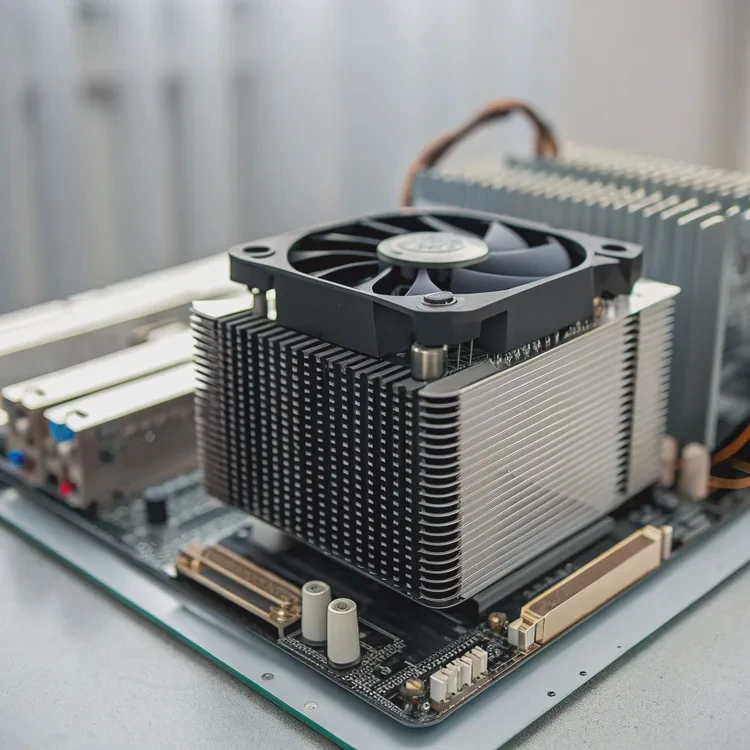
When a computer gets hot, its performance drops, and components can fail. Overheating shortens the life of CPUs and GPUs, making cooling essential.
A heat sink computer uses a thermal device called a heat sink to draw heat away from its components, keeping them cool and stable during operation.
Good heat dissipation ensures that a computer performs better, lasts longer, and runs more quietly, which matters for both gaming and industrial systems.
How Does a Computer Heat Sink Work?
When you use your computer for heavy tasks like gaming or 3D rendering, the CPU and GPU create heat fast. Without proper cooling, they slow down or crash.
A computer heat sink works by transferring heat from the chip to a metal surface with fins that release heat into the air or a cooling fluid.
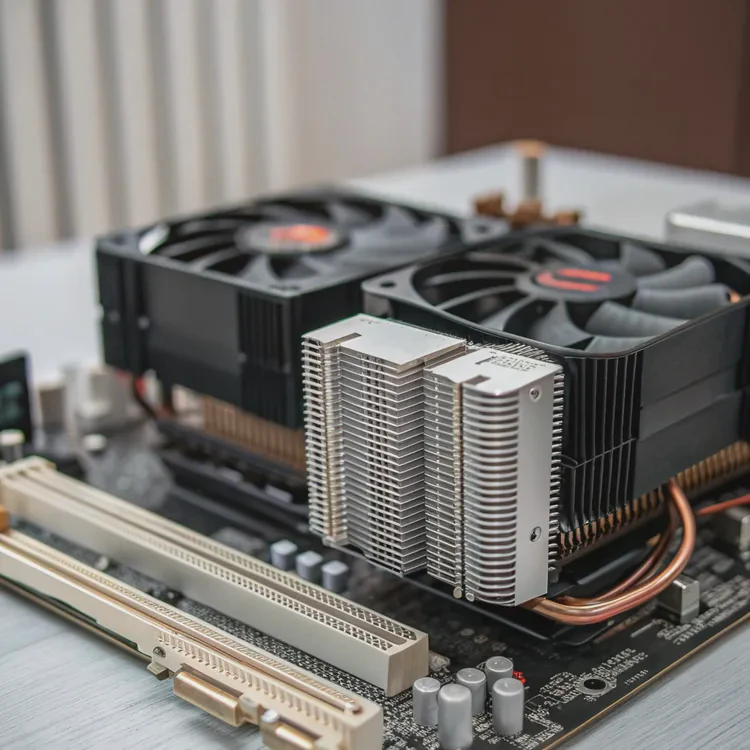
A heat sink uses conduction to move heat from the processor to its base, and convection to release that heat into the environment. The most common materials are aluminum and copper. Aluminum is light and cheap, while copper is more efficient but heavier.
Some systems use liquid cooling plates or vapor chambers for faster heat spreading.
Components of a Typical Heat Sink System
| Part | Function |
|---|---|
| Base Plate | Contacts the CPU or GPU directly to collect heat |
| Fins | Increase surface area for better heat exchange |
| Heat Pipes | Move heat from the base to fins |
| Fan | Enhances air movement for faster cooling |
Heat sinks come in passive, active, and hybrid types. Passive sinks rely on natural air convection, active ones use fans, and hybrid systems combine both for powerful cooling performance.
What Are the Benefits of a Computer Heat Sink?
Computers generate heat during every operation, and without proper management, they risk failure. Cooling helps maintain balance between performance and reliability.
The main benefits of a computer heat sink include better thermal control, longer component life, improved stability, and quieter operation.
Key Benefits Breakdown
| Benefit | Explanation |
|---|---|
| Thermal Stability | Keeps CPU/GPU temperature steady under load |
| Performance Boost | Prevents thermal throttling |
| Component Longevity | Reduces material fatigue and wear |
| Noise Reduction | Enables efficient cooling at lower fan speeds |
| Energy Efficiency | Improves power-to-performance ratio |
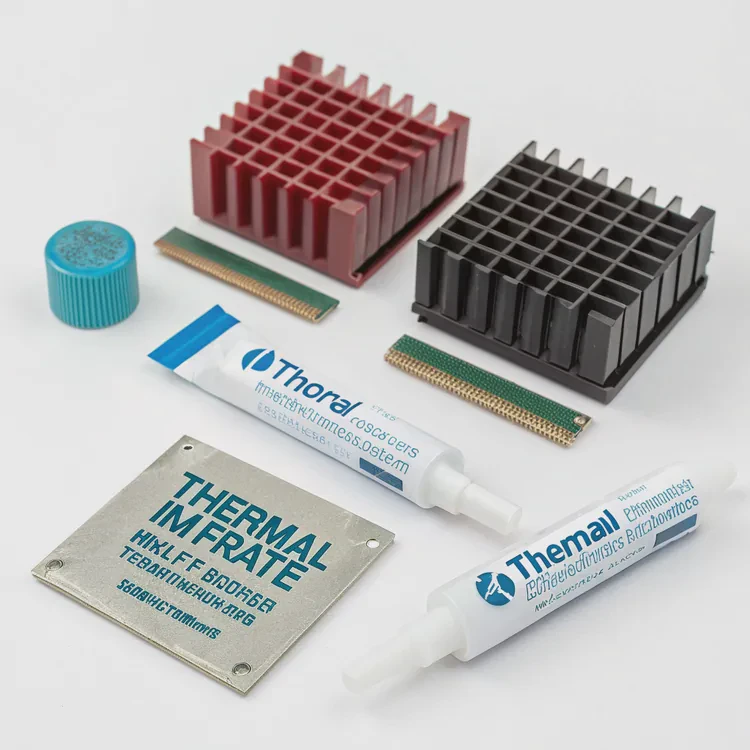
In high-end gaming PCs and industrial systems, heat sinks also prevent hot spots, where local temperatures spike and damage sensitive chips. When combined with thermal interface materials (TIM) like thermal paste, heat sinks ensure smooth heat transfer and minimize thermal resistance.
Many users notice that their systems crash less and run faster once they upgrade from stock coolers to high-quality heat sinks. Over time, this improves reliability and reduces maintenance costs.
How to Select the Right Computer Heat Sink?
Choosing the right heat sink is like fitting the right key to a lock—it must match the processor type, power level, and system design.
To select the right heat sink, consider your CPU’s thermal design power (TDP), case space, airflow, and noise level preferences.
Key Factors to Consider
Thermal Design Power (TDP):
Always match the heat sink’s capacity to or above your CPU’s TDP rating. A 125W CPU needs a heat sink rated for at least 125W or more.Form Factor Compatibility:
Check the size and socket type (e.g., LGA1700, AM5). A large tower cooler might not fit in small cases.Material and Design:
- Aluminum fins for lightweight builds
- Copper base or heat pipes for higher thermal efficiency
- Vapor chambers for high-end performance
- Aluminum fins for lightweight builds
Cooling Type:
- Air cooling: Affordable and simple
- Liquid cooling: Quiet and powerful
- Hybrid systems: Combine both for optimal results
- Air cooling: Affordable and simple
Noise Level:
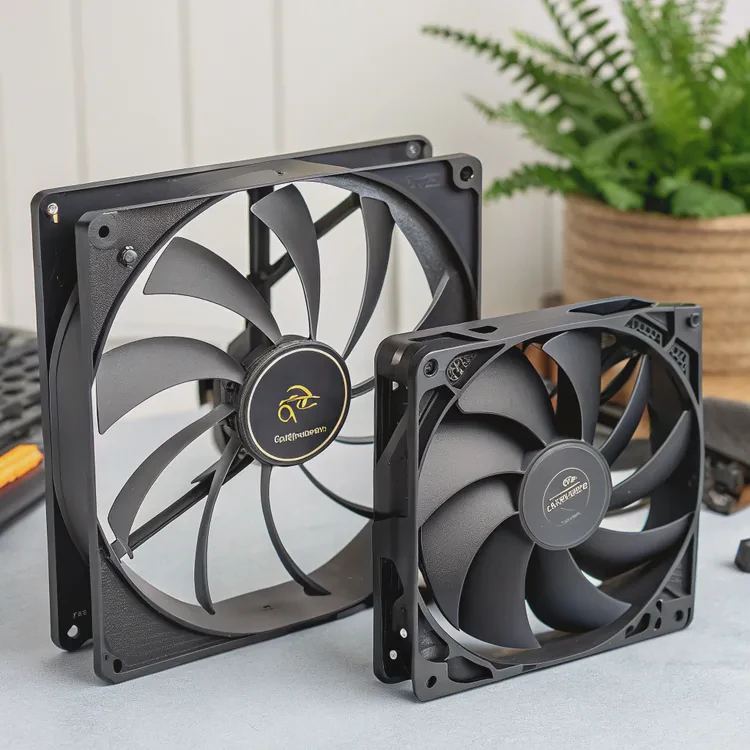
Look for larger fans (120mm+) that move more air with less noise. PWM control also helps adjust fan speed automatically.Brand and Warranty:
Reputable brands provide reliable testing data and better quality control. Always check reviews and thermal performance charts.
Selecting the right heat sink is not just about cooling but also about system harmony. The balance between power, silence, and design makes a great setup.
What Are the Latest Trends in Computer Heat Sinks?
Technology never stops. As chips become smaller yet more powerful, traditional cooling methods face limits. The future belongs to smarter and more integrated cooling solutions.
The latest trends in computer heat sinks include vapor chambers, phase-change cooling, 3D fin structures, and AI-driven thermal control.
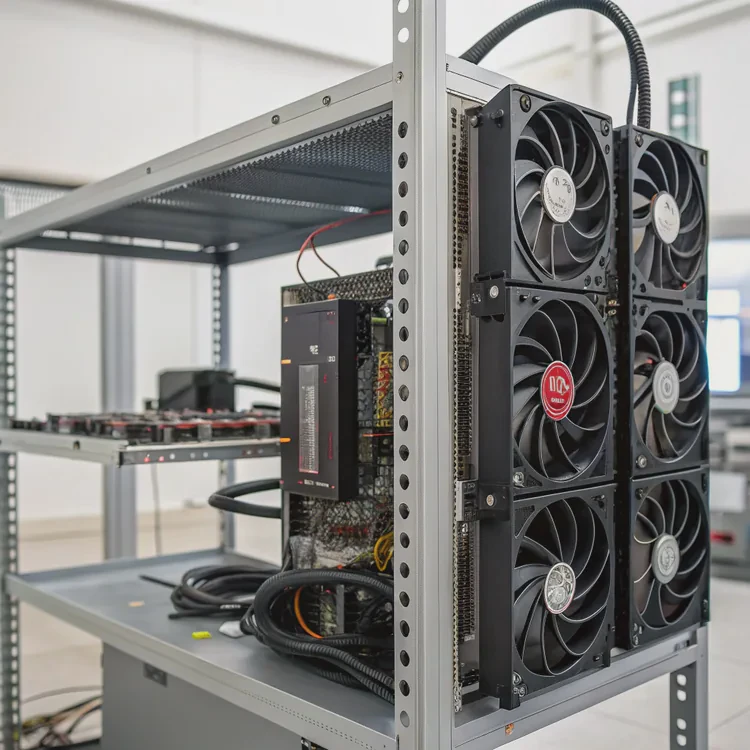
Emerging Trends to Watch
1. Vapor Chamber and Heat Pipe Integration
Many new heat sinks use flattened vapor chambers under the base to spread heat evenly. This improves performance in compact systems and gaming laptops.
2. Advanced Materials
Manufacturers now test graphene-coated fins and composite aluminum-copper structures to achieve higher conductivity and lower weight.
3. Smart Thermal Management
AI-controlled fans and sensors adjust cooling in real-time based on workload. This trend started in gaming rigs but now moves to industrial computers.
4. Phase-Change Cooling
Some companies experiment with phase-change materials (PCMs) that absorb heat during high loads and release it slowly, stabilizing temperature swings.
5. Sustainable Manufacturing
Eco-friendly designs reduce material waste and use recyclable aluminum. Lower energy fans and efficient production processes align with global green trends.
The Future of Heat Sink Design
| Innovation | Description | Impact |
|---|---|---|
| Vapor Chamber | Spreads heat evenly under tight space | Improves laptop cooling |
| PCM Module | Stores and releases heat dynamically | Stabilizes peak temperatures |
| Graphene Coating | Boosts thermal conductivity | Increases efficiency by 15% |
| AI Control | Adjusts fan and heat pipe load | Extends component life |
As someone who works with thermal systems, I’ve seen these technologies move from labs to real products fast. In the next few years, we’ll see compact PCs and servers run cooler than ever, with less noise and energy use.
Conclusion
Computer heat sinks are not just metal blocks—they are the silent protectors of every system. Choosing the right one improves performance, ensures stability, and extends hardware life in a simple, elegant way.
TAGS
Latest Articles

Volume discount levels for heat sink orders?
Buyers often ask when heat sink prices start to drop with volume. Many worry they’re overpaying for small orders. This guide explains how B2B volume pricing works for thermal components. Heat sink
21 Dec,2025
Heat sink long-term supply contract options?
Many buyers want stable pricing and reliable delivery for heat sinks. But without a clear contract, risks grow over time. This article explores how to secure better long-term supply deals. Long-term
21 Dec,2025
Tooling cost for new heat sink profiles?
Many engineers struggle to understand why tooling for custom heat sinks costs so much. They worry about budgeting and production timelines. This article breaks down the cost drivers behind tooling.
21 Dec,2025
Heat sink custom sample process steps?
Sometimes, starting a custom heat sink project feels overwhelming—too many steps, too many unknowns, and too many risks. You want a sample, but not endless delays. The process for requesting and
20 Dec,2025
Standard B2B terms for heat sink payments?
When buyers and sellers in B2B heat sink markets talk about payment, many don’t fully understand what’s standard. This can lead to delayed orders, miscommunication, and even lost business
20 Dec,2025
Heat sink pricing factors for large orders?
Heat sinks are vital for many systems. When prices rise, projects stall and budgets break. This problem can hit teams hard without warning. Large order heat sink pricing depends on many factors. You
20 Dec,2025Related Articles
- How to fix heat sink on 3D printer nozzle?
- What is an Extruded Heat Sink?
- Are Vapour Chambers the Future of Data Center Cooling?
- What is liquid cooling?
- What is a vapor chamber heatsink?
- What Is a Heat Sink in a Computer?
- What Do Heat Sinks Do?
- What Is a Heat Sink in Computer?
- What is a heat sink on a computer?
- Does heat rise or sink?
- What is a CPU heat sink?
- What is a heat sink on an SSD?
Author
Dr. Emily Chen
Chief AI Researcher
Leading expert in thermal dynamics and AI optimization with over 15 years of experience in data center efficiency research.
Categories
Latest Products






Recommend Categories
- Liquid cooling plate Manufacturer
- Industrial Heat Sink Manufacturer
- Standard Heat Sink Manufacturer
- Aluminum Heat Sink Manufacturer
- Copper Heat Sink Manufacturer
- Anodized Heatsink Manufacturer
- Stamping heat sink Manufacturer
- Die Casting Heatsink Manufacturer
- Soldering heat sink Manufacturer
- CNC Parts Manufacturer
Latest Products
- Wholesale Aluminum Radiator
- Water Cooling Plate Kit
- Water Cooling Heat Sink
- Water Cooling Heat Sink Kit
- Stainless Steel Water Distributor
- Server Water Cooling Plate Kit
- Server Liquid Cooling System
- Server Aluminum Cooling Kit
- S19 Full Cover Cooling Plate
- S19 Cooling Plate Kit
- S19 Aluminum Cooling Plate
Contact Expert
Have questions about this article? Reach out to our experts directly.