Does liquid cooling make noise?
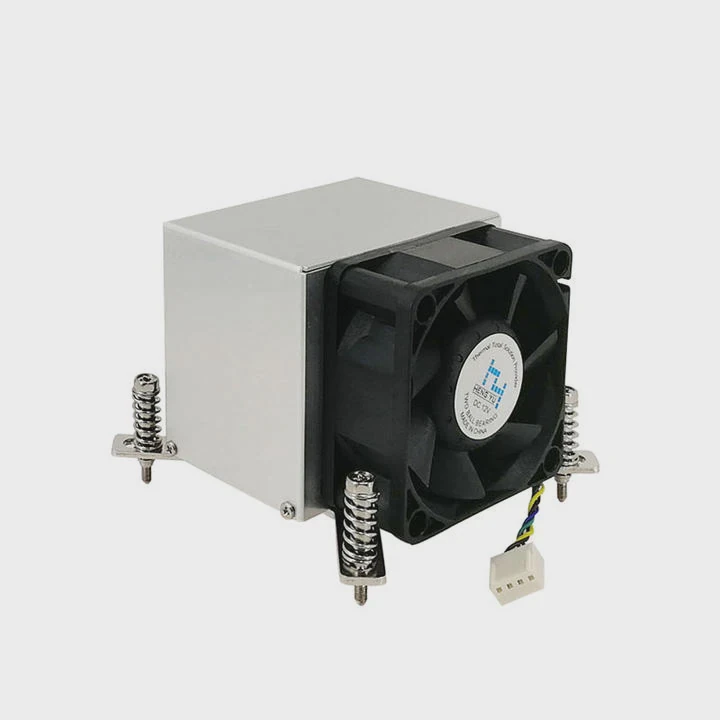
Liquid cooling is often praised for its silence, but it is not always completely quiet. Sometimes, users notice hums, rattles, or bubbles after installation.
Liquid cooling can make noise due to pump vibration, air bubbles, or fan turbulence, though it is usually quieter than traditional air cooling systems.
Understanding what causes the sound and how to reduce it helps keep your system quiet and stable for a long time.
What causes noise in cooling systems?
Even high-quality cooling systems produce some level of sound. The main difference is whether that sound is smooth and consistent or sharp and annoying.
Noise in liquid cooling systems is mainly caused by air bubbles, pump vibration, fan imbalance, or poor mounting that transfers vibration to the case.
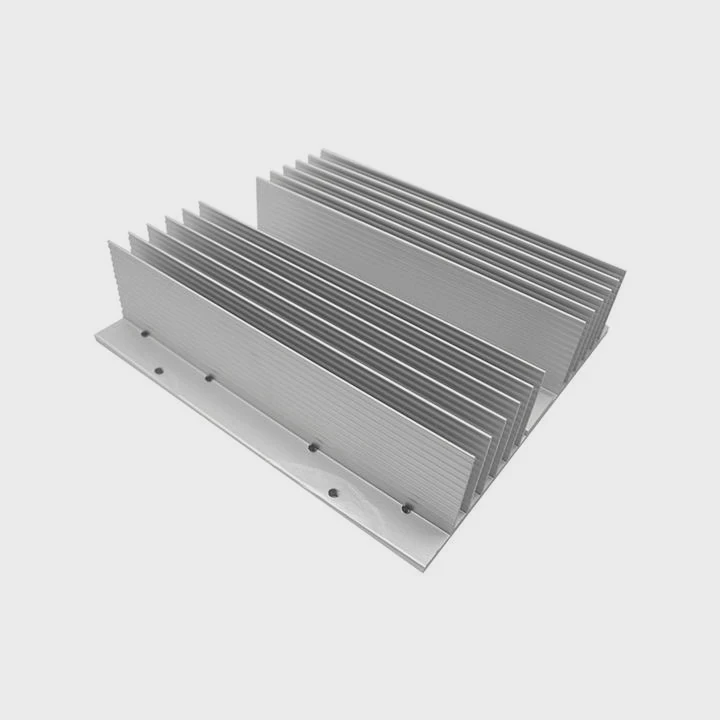
Common noise sources
| Source | Description | Solution |
|---|---|---|
| Air bubbles | Trapped air inside the loop creates gurgling | Tilt and bleed the system |
| Pump vibration | Motor imbalance or mounting pressure | Use soft dampeners |
| Fan turbulence | Irregular airflow through fins | Adjust fan curve or replace fans |
| Resonance | Case panels amplifying vibration | Add foam pads or isolate pump |
When I first built a liquid-cooled system, I didn’t notice that a small air pocket was stuck inside the pump. It created a high-pitched buzz that disappeared after I gently tilted the case for a few minutes. Small air pockets are one of the most common noise problems in new setups.
Over time, coolant may evaporate or degrade, letting new air into the system. That’s why regular maintenance is essential, even in closed-loop coolers.
Is liquid cooling quieter than air cooling?
Many people switch to liquid cooling expecting total silence. While it reduces fan noise significantly, pumps can still generate a steady hum.
Liquid cooling is generally quieter than air cooling because it spreads heat over a larger surface, requiring fewer fans running at lower speeds.
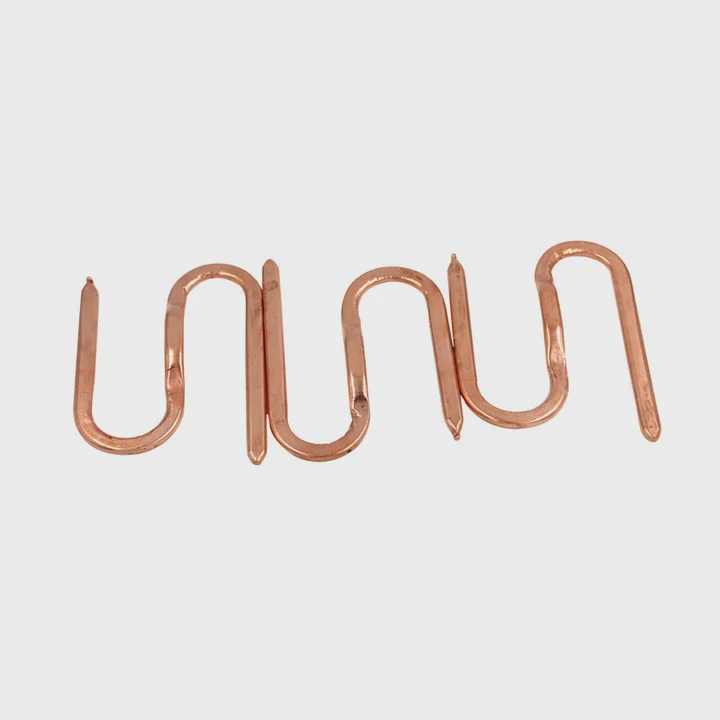
The key factor is how efficiently the system transfers heat. In liquid cooling, the radiator fans work together with a pump that circulates coolant. Since heat moves faster in liquid than in air, fans can spin slower and stay quieter.
Noise comparison
| System Type | Typical Noise Level (dBA) | Noise Source | Typical Use |
|---|---|---|---|
| Air cooling | 35–50 | High-speed fans | Budget and mid-range PCs |
| Liquid cooling (AIO) | 25–40 | Pump + radiator fans | Gaming and workstation setups |
| Custom liquid loop | 20–35 | Optimized low-speed fans | Silent or professional builds |
During one of my tests, a high-performance air cooler produced about 45 dBA, while a liquid cooling loop with dual 120mm fans stayed around 30 dBA under similar thermal loads. The difference is clearly noticeable in a quiet room.
However, liquid cooling is not automatically silent. A poorly designed pump, air bubbles, or uneven fan control can easily make it noisier than a well-tuned air system. Proper setup matters as much as the technology itself.
How to reduce noise effectively?
Noise reduction in cooling systems is not only about choosing the right hardware. It’s also about installation quality, fan curves, and regular cleaning.
To reduce noise, remove trapped air, mount the pump on soft dampeners, clean fans regularly, and use optimized fan curves to avoid sudden speed changes.
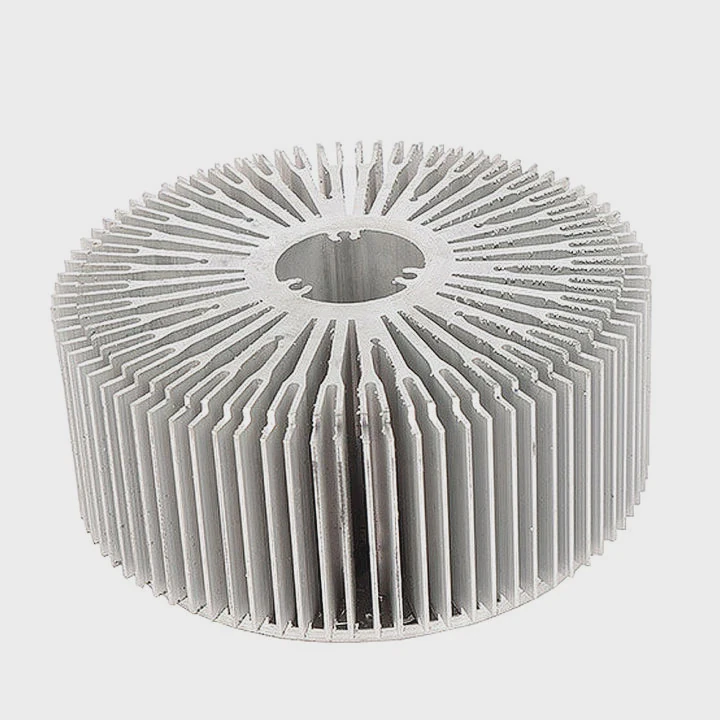
Practical steps to minimize noise
- Bleed the system properly – Tilt the case during operation to release trapped air.
- Use rubber mounts – Isolate the pump and fans from the chassis to absorb vibration.
- Adjust fan curves – Set fans to ramp up smoothly with temperature instead of sudden jumps.
- Clean dust filters – Dust buildup makes fans louder and less efficient.
- Lubricate fans (if serviceable) – Reduces friction and extends fan life.
- Check coolant level – Low coolant causes cavitation and noisy pump operation.
Acoustic performance tips
| Method | Noise Reduction Impact | Difficulty |
|---|---|---|
| Rubber vibration mounts | High | Easy |
| Custom fan curve tuning | Medium | Medium |
| Pump speed control | Medium | Easy |
| Case sound dampening foam | High | Moderate |
| High-quality bearings (FDB/LLC) | High | Moderate |
I remember replacing a stock fan with a premium fluid dynamic bearing (FDB) model. The noise dropped by nearly 6 dBA, which made the difference between hearing the system and forgetting it was even running.
Also, keeping coolant topped up prevents cavitation, where the pump spins air instead of liquid. This not only makes noise but can also reduce pump lifespan.
What are the trends in silent cooling design?
The pursuit of silence has become a major direction in modern cooling design. Engineers now focus on smoother pumps, aerodynamic fans, and advanced materials that reduce vibration.
New silent cooling designs use AI-controlled fan profiles, magnetic levitation pumps, noise-absorbing materials, and optimized fin geometry for quieter operation.
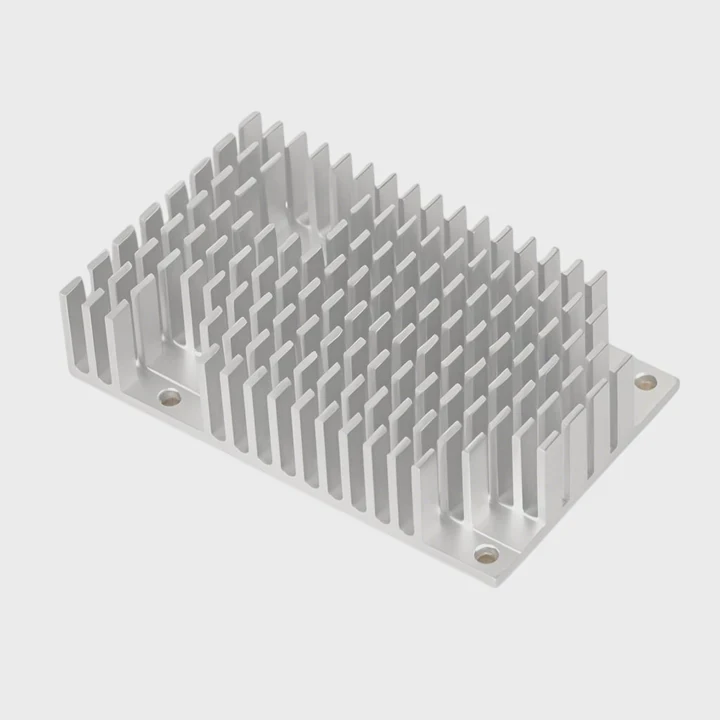
Innovations shaping silent cooling
| Trend | Description | Benefit |
|---|---|---|
| Magnetic levitation pumps | Pump shaft floats without friction | Zero mechanical noise |
| AI adaptive fan control | Adjusts fan speed smoothly | No abrupt noise changes |
| Aerodynamic fan blades | Minimized turbulence and drag | Lower airflow noise |
| Graphene-coated surfaces | Reduce micro-vibrations | Longer life and silence |
| Acoustic foam chassis panels | Absorb sound reflections | Quieter environment |
One impressive trend I’ve seen is the rise of maglev pumps. These pumps use magnetic suspension instead of physical bearings, completely removing contact friction. The result is nearly silent performance even at full load.
Another direction is AI-controlled cooling loops, where the system predicts heat buildup and adjusts flow rate and fan speed gradually. This keeps the sound level stable and avoids the constant ramping typical of older systems.
In workstation environments and professional studios, these technologies are especially valuable. A quiet setup improves concentration and creates a cleaner working atmosphere.
The future of silent cooling
Silent cooling design is moving toward integration and intelligence. Future systems will feature self-balancing pumps, nanocoated radiators that reduce air friction, and smart thermal algorithms. As electronics become denser and more powerful, the quietest systems will also be the most efficient.
Conclusion
Liquid cooling can make noise, but with proper setup and modern design, it can be almost silent. By controlling vibration, air movement, and component quality, users can enjoy both high performance and peace of mind.
TAGS
Latest Articles

Volume discount levels for heat sink orders?
Buyers often ask when heat sink prices start to drop with volume. Many worry they’re overpaying for small orders. This guide explains how B2B volume pricing works for thermal components. Heat sink
21 Dec,2025
Heat sink long-term supply contract options?
Many buyers want stable pricing and reliable delivery for heat sinks. But without a clear contract, risks grow over time. This article explores how to secure better long-term supply deals. Long-term
21 Dec,2025
Tooling cost for new heat sink profiles?
Many engineers struggle to understand why tooling for custom heat sinks costs so much. They worry about budgeting and production timelines. This article breaks down the cost drivers behind tooling.
21 Dec,2025
Heat sink custom sample process steps?
Sometimes, starting a custom heat sink project feels overwhelming—too many steps, too many unknowns, and too many risks. You want a sample, but not endless delays. The process for requesting and
20 Dec,2025
Standard B2B terms for heat sink payments?
When buyers and sellers in B2B heat sink markets talk about payment, many don’t fully understand what’s standard. This can lead to delayed orders, miscommunication, and even lost business
20 Dec,2025
Heat sink pricing factors for large orders?
Heat sinks are vital for many systems. When prices rise, projects stall and budgets break. This problem can hit teams hard without warning. Large order heat sink pricing depends on many factors. You
20 Dec,2025Related Articles
- Is thermal paste needed for liquid cooling?
- Is air or liquid cooling better?
- Does liquid cooling make a difference?
- How to change CPU liquid cooler?
- What happens if liquid cooling leaks?
- Does liquid cooler need maintenance?
- When should you replace liquid cooling?
- Why liquid cooling?
- Is Liquid CPU Cooling Better?
- What is the best liquid cooler?
- Should liquid cooler fans be intake or exhaust?
- What is liquid CPU cooler?
Author
Dr. Emily Chen
Chief AI Researcher
Leading expert in thermal dynamics and AI optimization with over 15 years of experience in data center efficiency research.
Categories
Latest Products






Recommend Categories
- Liquid cooling plate Manufacturer
- Industrial Heat Sink Manufacturer
- Standard Heat Sink Manufacturer
- Aluminum Heat Sink Manufacturer
- Copper Heat Sink Manufacturer
- Anodized Heatsink Manufacturer
- Stamping heat sink Manufacturer
- Die Casting Heatsink Manufacturer
- Soldering heat sink Manufacturer
- CNC Parts Manufacturer
Latest Products
- Wholesale Aluminum Radiator
- Water Cooling Plate Kit
- Water Cooling Heat Sink
- Water Cooling Heat Sink Kit
- Stainless Steel Water Distributor
- Server Water Cooling Plate Kit
- Server Liquid Cooling System
- Server Aluminum Cooling Kit
- S19 Full Cover Cooling Plate
- S19 Cooling Plate Kit
- S19 Aluminum Cooling Plate
Contact Expert
Have questions about this article? Reach out to our experts directly.