What happens if liquid cooling leaks?
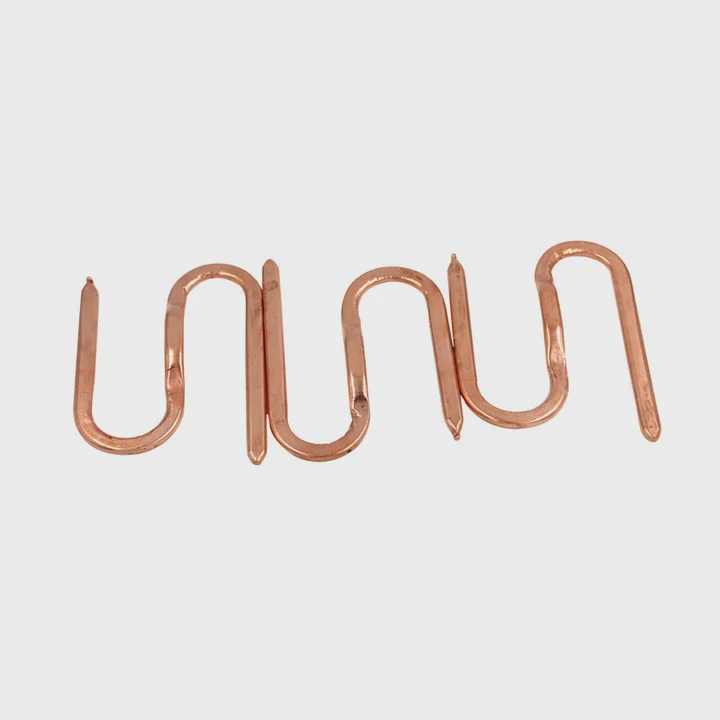
The first time I saw coolant dripping onto my graphics card, my heart stopped. It was only a few drops, but they could have destroyed everything. That moment taught me to respect how powerful — and dangerous — liquid cooling can be.
If a liquid cooling system leaks, coolant can damage electronics, cause corrosion, or reduce thermal performance. Immediate shutdown and cleanup are essential to prevent serious harm.
Liquid leaks are rare when systems are properly built, but when they happen, the results can be costly. Let’s explore what causes them, what risks they create, and how to prevent them.
What causes cooling leaks?
When I traced my own leak, I found a loose fitting. It looked fine from outside, but the seal inside had cracked over time.
Most liquid cooling leaks are caused by loose fittings, worn seals, excessive pressure, poor assembly, or material fatigue.
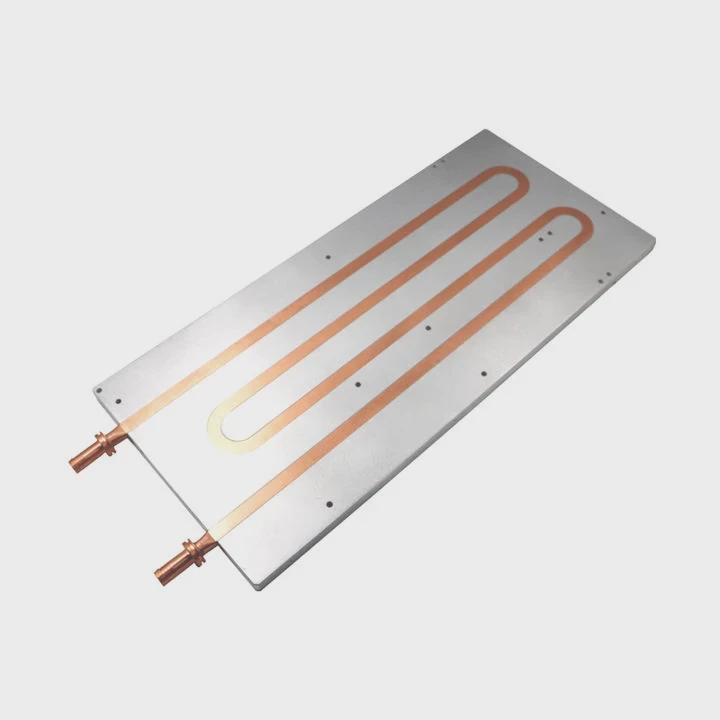
Common Causes of Leaks
| Cause | Description | Prevention |
|---|---|---|
| Loose fittings | Joints not tightened enough | Double-check torque during assembly |
| Damaged O-rings | Cracks or aging rubber seals | Replace regularly |
| High pressure | Pump too strong or blockages | Use flow regulators |
| Corrosion | Reaction between metals | Use corrosion inhibitors |
| Thermal cycling | Expansion and contraction stress | Choose flexible tubing |
| Poor maintenance | Dirt or air bubbles | Clean and bleed regularly |
Understanding Leak Formation
Leaks often start small — a fine mist or slow drip. Over time, vibration and temperature changes make them worse.
I’ve seen fittings that look dry from the outside but leak internally under pressure. Sometimes, a system can hold coolant for days before a small seal fails.
Material mismatch is another hidden cause. For example, combining copper and aluminum without proper inhibitors creates galvanic corrosion, which can weaken joints.
Checking fittings and seals every few months can prevent such hidden leaks from ever developing.
What are the risks of liquid leaks?
When a leak happens, it’s more than just a puddle — it can mean total system failure. I’ve seen both computers and industrial systems shut down from one tiny crack.
Liquid leaks can cause short circuits, corrosion, loss of cooling efficiency, and even safety hazards like electric shock or smoke.
Main Risks from Leaks
| Risk Type | Description | Impact |
|---|---|---|
| Electrical damage | Coolant contacts powered circuits | Component failure |
| Corrosion | Metal reacts with liquid or oxygen | Long-term degradation |
| Thermal loss | Coolant level drops | Overheating risk |
| Contamination | Dust or oil enters coolant loop | Blockages |
| Safety hazard | Slippery surface or shock | Injury risk |
Detailed Look at the Consequences
1. Short circuits
Even non-conductive coolants can carry enough charge when mixed with dust or metal ions. A single droplet on a live board can destroy chips instantly.
2. Corrosion and residue
If the leak goes unnoticed, coolant residue can oxidize metal surfaces. Over time, that creates rust and weakens fittings or cold plates.
3. Cooling inefficiency
When coolant escapes, the loop loses pressure and circulation speed. The device runs hotter, and fans work harder to compensate.
4. Safety issues
In industrial systems, coolant can spill on floors or wiring. I once saw a technician slip on a leaked glycol mix — a reminder that leaks are also physical hazards.
5. Downtime and repair costs
Replacing soaked parts or reassembling a loop takes time and money. Regular inspection is cheaper and safer in the long run.
How to prevent and handle leaks?
After my incident, I rebuilt my loop with new fittings, added sensors, and never skipped maintenance again. Prevention became my rule number one.
To prevent and handle leaks, inspect seals regularly, use quality fittings, avoid overpressure, and shut down immediately if leakage occurs.
Leak Prevention Methods
1. Use high-quality components
Cheap fittings often fail under vibration or pressure. Always choose metal fittings and tested tubing materials like EPDM or silicone.
2. Apply correct torque
Over-tightening can crack threads; under-tightening leaves gaps. A torque wrench helps achieve the perfect seal every time.
3. Check compatibility
Mixing materials like copper and aluminum can cause corrosion. If your system uses mixed metals, apply anti-corrosive coolant.
4. Bleed air properly
Air bubbles cause uneven pressure and can burst weak joints. Tilt and tap components to release trapped air after filling.
5. Regular maintenance
Replace coolant every 6–12 months and inspect fittings for cracks. Preventive care takes minutes, repair takes days.
Leak Handling Steps
If you suspect a leak, act fast:
- Turn off power immediately. Unplug all electronics to prevent short circuits.
- Absorb the spill. Use lint-free cloths or paper towels to remove liquid.
- Dry the area. A fan or gentle heat speeds up evaporation.
- Inspect for damage. Check boards, cables, and joints for residue.
- Replace affected parts. Never reuse cracked fittings or hoses.
- Reassemble and test. Run a pressure test before turning power back on.
I always recommend doing a 24-hour leak test after any rebuild. It may seem long, but it saves thousands in potential damage.
What are the innovations in leak protection?
In recent years, engineers have made incredible progress in detecting and preventing leaks before they even start.
Modern leak protection innovations include self-sealing fittings, smart leak sensors, nano-coating protection, and AI-based fault detection.
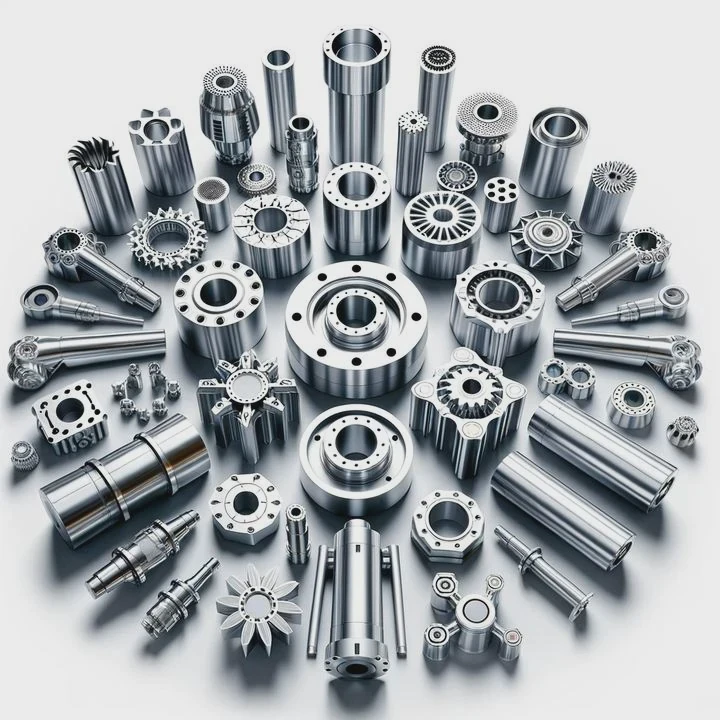
Emerging Leak Protection Technologies
1. Smart leak sensors
New sensors can detect even a drop of coolant and send alerts to your phone. These are now common in data centers and high-end PCs.
2. Self-sealing fittings
Some advanced fittings use internal valves that close automatically if disconnected or damaged. They stop the flow instantly and prevent large spills.
3. Hydrophobic nano-coatings
Applying nano-coatings to electronic surfaces makes them resistant to liquid damage. I’ve seen demo boards where coolant simply slides off without leaving a trace.
4. Pressure monitoring systems
Continuous pressure tracking can predict leaks before they occur. If pressure slowly drops, the system alerts the user long before coolant escapes.
5. AI-driven diagnostics
AI models analyze flow rate, temperature, and vibration patterns to spot early signs of failure. This predictive maintenance is now spreading from industrial cooling to custom PC setups.
Overview of Leak Protection Trends
| Innovation | Description | Benefit |
|---|---|---|
| Smart Sensors | Detect leaks instantly | Prevent major damage |
| Self-Sealing Fittings | Stop flow on disconnection | Reduce spill risk |
| Nano-Coatings | Protect electronics from liquid | Prevent corrosion |
| Pressure Tracking | Monitor for slow leaks | Early warning |
| AI Diagnostics | Analyze data to predict issues | Fewer failures |
The Future of Leak-Free Cooling
The trend is clear — systems are getting smarter. I believe the next step will be autonomous protection, where pumps shut off automatically at the first sign of a leak.
Some prototypes already do this: a leak triggers the pump to stop and a valve to close within seconds. This kind of real-time response can save entire systems from disaster.
In the future, leak protection won’t just be a safety feature — it will be a built-in part of every liquid cooling system, from laptops to power plants.
Conclusion
Leaks are the worst enemy of any liquid cooling system, but they are preventable. With quality parts, regular checks, and modern smart protection, it’s possible to enjoy powerful cooling without fear. Every drop of prevention truly counts.
TAGS
Latest Articles

Volume discount levels for heat sink orders?
Buyers often ask when heat sink prices start to drop with volume. Many worry they’re overpaying for small orders. This guide explains how B2B volume pricing works for thermal components. Heat sink
21 Dec,2025
Heat sink long-term supply contract options?
Many buyers want stable pricing and reliable delivery for heat sinks. But without a clear contract, risks grow over time. This article explores how to secure better long-term supply deals. Long-term
21 Dec,2025
Tooling cost for new heat sink profiles?
Many engineers struggle to understand why tooling for custom heat sinks costs so much. They worry about budgeting and production timelines. This article breaks down the cost drivers behind tooling.
21 Dec,2025
Heat sink custom sample process steps?
Sometimes, starting a custom heat sink project feels overwhelming—too many steps, too many unknowns, and too many risks. You want a sample, but not endless delays. The process for requesting and
20 Dec,2025
Standard B2B terms for heat sink payments?
When buyers and sellers in B2B heat sink markets talk about payment, many don’t fully understand what’s standard. This can lead to delayed orders, miscommunication, and even lost business
20 Dec,2025
Heat sink pricing factors for large orders?
Heat sinks are vital for many systems. When prices rise, projects stall and budgets break. This problem can hit teams hard without warning. Large order heat sink pricing depends on many factors. You
20 Dec,2025Related Articles
- Does liquid cooler need maintenance?
- What Liquid Is Used in CPU Cooler?
- What’s better, liquid-cooled or air-cooled?
- Is it worth liquid cooling your GPU?
- Where to mount liquid cooling radiator?
- How much better is liquid cooling?
- How to change CPU liquid cooler?
- Does liquid cooling make a difference?
- Is air or liquid cooling better?
- Is thermal paste needed for liquid cooling?
- Does liquid cooling make noise?
- When should you replace liquid cooling?
Author
Dr. Emily Chen
Chief AI Researcher
Leading expert in thermal dynamics and AI optimization with over 15 years of experience in data center efficiency research.
Categories
Latest Products






Recommend Categories
- Liquid cooling plate Manufacturer
- Industrial Heat Sink Manufacturer
- Standard Heat Sink Manufacturer
- Aluminum Heat Sink Manufacturer
- Copper Heat Sink Manufacturer
- Anodized Heatsink Manufacturer
- Stamping heat sink Manufacturer
- Die Casting Heatsink Manufacturer
- Soldering heat sink Manufacturer
- CNC Parts Manufacturer
Latest Products
- Wholesale Aluminum Radiator
- Water Cooling Plate Kit
- Water Cooling Heat Sink
- Water Cooling Heat Sink Kit
- Stainless Steel Water Distributor
- Server Water Cooling Plate Kit
- Server Liquid Cooling System
- Server Aluminum Cooling Kit
- S19 Full Cover Cooling Plate
- S19 Cooling Plate Kit
- S19 Aluminum Cooling Plate
Contact Expert
Have questions about this article? Reach out to our experts directly.