Is Liquid CPU Cooling Better?
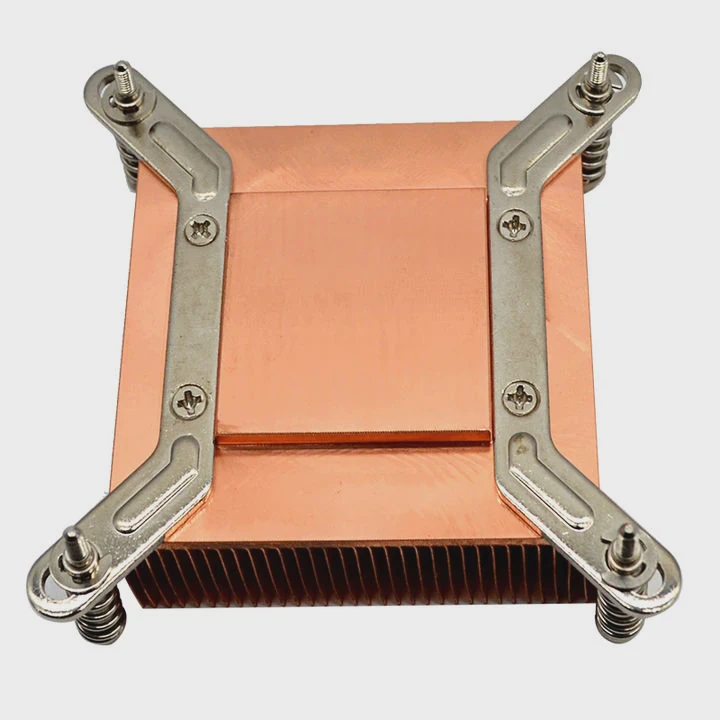
When building a PC, one of the biggest debates is whether liquid cooling is better than traditional air cooling. It looks advanced, it sounds powerful, but is it really worth it?
Liquid CPU cooling is better for high-performance systems because it offers improved heat dissipation, lower noise, and more stable performance under heavy workloads. However, it may not be necessary for every user or every setup.
Understanding how it works and what it offers helps you decide whether it fits your performance needs and budget.
What Is Liquid CPU Cooling?
Liquid CPU cooling uses a closed-loop system that moves heat away from the processor using coolant. Unlike air coolers that rely only on metal heat sinks and fans, liquid coolers transfer heat through water or special fluids to a radiator for dissipation.
Liquid CPU cooling uses circulating coolant to absorb heat from the CPU and release it through a radiator, providing superior thermal efficiency compared to air cooling.
How It Works
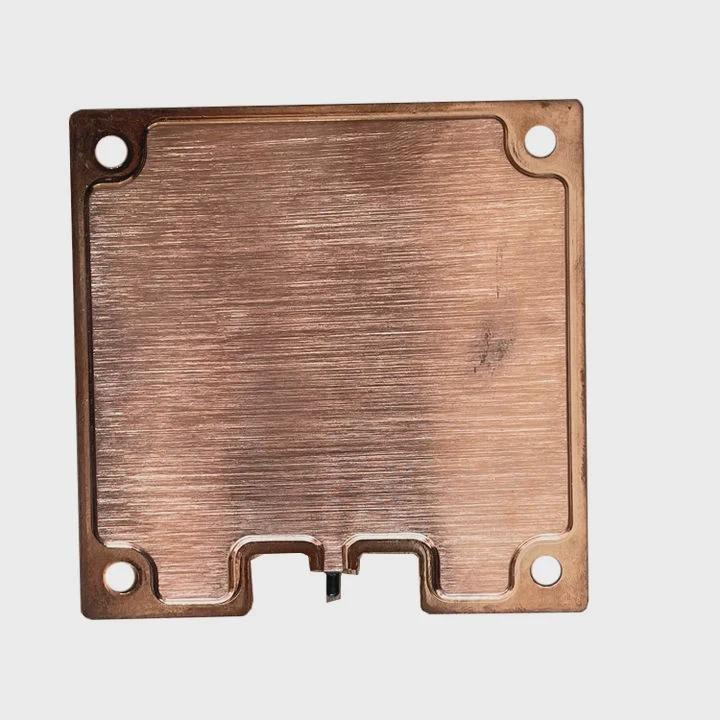
- Cold Plate — sits directly on the CPU and absorbs heat.
- Pump — moves coolant through the system.
- Tubes — carry hot liquid to the radiator.
- Radiator — transfers heat to the air with fans.
- Coolant Loop — circulates liquid continuously to maintain cooling.
The closed-loop design makes modern All-in-One (AIO) coolers reliable and nearly maintenance-free. Custom water loops, on the other hand, allow full control over tubing, fluid, and radiator layout, offering both higher performance and visual customization.
Key Components Overview
| Component | Function | Example |
|---|---|---|
| Cold Plate | Draws heat from CPU | Copper/Nickel block |
| Pump | Circulates coolant | Integrated or external |
| Radiator | Dissipates heat | 240mm / 280mm / 360mm |
| Fans | Push or pull air | PWM-controlled fans |
| Tubing | Moves liquid | Rubber or braided lines |
Liquid cooling systems have evolved from enthusiast-only kits to reliable mainstream options found in many modern gaming and workstation PCs.
What Are Its Performance Advantages?
When I first switched from a large tower air cooler to a 280mm AIO liquid cooler, I immediately noticed cooler temperatures and quieter fans. That experience made me appreciate the engineering behind liquid cooling.
Liquid cooling offers better heat dissipation, quieter operation, and more consistent CPU boost performance under demanding workloads compared to air cooling.
1. Superior Thermal Performance
Liquid has a higher heat capacity than air, meaning it can absorb and move more heat. This allows the CPU to stay cooler, even when running at high power levels for long periods.
| Cooling Type | Idle Temp (°C) | Load Temp (°C) | Typical Noise Level (dB) |
|---|---|---|---|
| Air Cooler | 40 | 85 | 42 |
| 240mm Liquid Cooler | 36 | 70 | 38 |
| 360mm Liquid Cooler | 33 | 65 | 36 |
The larger the radiator, the more surface area for heat to escape. For high-end CPUs like AMD Ryzen 9 or Intel i9, this difference translates directly into more stable performance.
2. Quieter Operation
Because liquid coolers distribute heat more efficiently, fans don’t need to spin as fast. Pumps are generally quiet, and radiator fans can be tuned for near-silent performance during light workloads.
3. Sustained Boost Clocks
Modern CPUs adjust their clock speeds dynamically based on temperature. Lower operating temps allow longer and higher boost clocks, improving performance in tasks like video editing, rendering, or gaming.
4. Better Space and Aesthetic Design
Liquid coolers remove the large metal tower from above the CPU, creating a cleaner look and freeing up room for tall RAM modules. Many include RGB lighting or LCD displays, allowing builders to customize appearance without sacrificing function.
5. Improved Case Airflow
By moving heat directly to the radiator (often placed on the case’s edge), liquid coolers reduce the overall temperature inside the case. This benefits not only the CPU but also other components like the GPU, SSD, and VRMs.
How to Decide If It’s Right for Your Build?
Not every PC needs liquid cooling. Choosing between air and liquid cooling depends on your use case, budget, and case layout. The right cooling system balances performance and practicality.
Liquid cooling is right for you if you need sustained performance, lower noise, or want a visually modern PC design. For basic systems, a high-quality air cooler may be a better value.
1. Consider Your CPU and Workload
If you use a high-end CPU like the Ryzen 9 7950X or Intel Core i9 series, liquid cooling helps maintain thermal headroom under heavy load. But for mid-range CPUs, like Ryzen 5 or Intel i5, a top-tier air cooler often performs just as well at a lower cost.
| CPU Type | Recommended Cooling | Reason |
|---|---|---|
| Ryzen 5 / i5 | Air Cooler | Efficient and budget-friendly |
| Ryzen 7 / i7 | 240mm Liquid Cooler | Better under high loads |
| Ryzen 9 / i9 | 280mm–360mm Liquid Cooler | Ideal for heat management |
2. Evaluate Your Case Compatibility
Not every PC case supports liquid cooling. Before buying, check radiator mounting options. Small form factor cases may only fit 120mm radiators or none at all, making air coolers more practical.
3. Think About Noise Preferences
If you value a quiet workspace, liquid cooling can be a major upgrade. It reduces fan speed under load and eliminates the drone of large tower coolers. However, pump noise can vary across models, so choose a reliable, quiet brand.
4. Budget and Maintenance
Liquid cooling costs more upfront. A quality 240mm AIO may start around \(100, while a 360mm model can reach \)200 or more. In contrast, premium air coolers like Noctua NH-D15 cost around $90 and require no maintenance.
If you enjoy PC building and maintenance, a liquid system can be rewarding. But if you prefer simplicity and minimal upkeep, air cooling might suit you better.
5. Aesthetic Considerations
Many builders choose liquid cooling for its clean, futuristic look. The slim pump head, RGB accents, and visible radiator fans add a modern aesthetic that’s hard to match. If appearance is part of your build goal, it’s worth the investment.
What Are the Latest CPU Cooling Technologies?
CPU cooling technology has evolved rapidly to match rising power densities and thermal challenges in modern processors. Manufacturers are now blending design, materials, and automation to achieve higher performance and lower noise.
Recent CPU cooling technologies include vapor chambers, direct-die cooling, AI-controlled fan systems, and new coolant chemistries that improve thermal transfer and system safety.
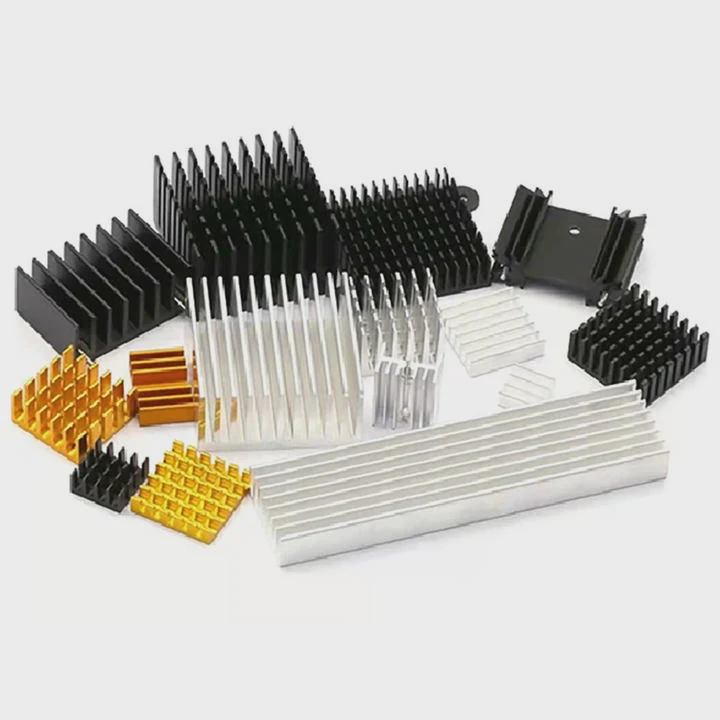
1. Vapor Chamber Integration
Vapor chambers are now appearing in both air and liquid coolers. These flat, sealed structures use phase-change technology — liquid inside evaporates when heated and condenses when cooled — allowing rapid heat spread across a wide surface area.
Benefits:
- Faster heat distribution
- Improved temperature balance
- More efficient cooling under uneven loads
2. Direct-Die Cooling
Traditional coolers contact the CPU’s integrated heat spreader (IHS). Direct-die cooling removes that layer, placing the cold plate directly onto the silicon die for maximum efficiency. This technique is popular among extreme overclockers.
Advantages:
- Up to 10°C lower temperatures
- Faster thermal response
- Reduced thermal resistance
3. AI and Smart Fan Control
Many modern liquid coolers include built-in controllers that use sensors to adjust pump and fan speed dynamically. Some even use machine learning to predict thermal patterns and balance cooling and noise automatically.
Examples:
- ASUS ROG Ryujin II AI cooling profiles
- Corsair iCUE adaptive temperature curves
4. Advanced Coolant Chemistry
Today’s AIOs use engineered coolants with additives that prevent corrosion, reduce foaming, and resist bacterial growth. Future systems may use nano-fluids with higher thermal conductivity or eco-friendly formulations that improve longevity and reduce toxicity.
| Coolant Type | Feature | Thermal Advantage |
|---|---|---|
| Glycol Mix | Corrosion resistance | Moderate |
| Nano-Fluid | Nanoparticle enhancement | High |
| Dielectric Coolant | Non-conductive | Safe for submersion |
5. Hybrid and Modular Cooling Designs
Hybrid coolers combine the simplicity of air cooling with the performance of liquid systems. For example, some designs use vapor chambers with mini liquid loops for compact high-performance builds. Modular AIOs also allow expanding the loop to cool GPUs or memory modules.
6. Noise Reduction and Smart Materials
Manufacturers now use rubber-dampened mounts, magnetic levitation fans, and acoustic insulation to cut mechanical noise. Pumps are quieter and more reliable thanks to ceramic bearings and PWM control.
The Next Phase in Cooling
| Technology | Description | Impact |
|---|---|---|
| Vapor Chamber | Phase-change heat spreader | More uniform cooling |
| Direct-Die Cooling | Contact directly with CPU die | Lower thermal resistance |
| AI Fan Control | Real-time cooling optimization | Lower noise and power use |
| Nano Coolant | Higher heat transfer capability | Better efficiency |
| Hybrid Cooler | Air + liquid combination | Compact design potential |
Together, these technologies are transforming cooling from a passive system into a smart, adaptive part of modern PCs.
Conclusion
Liquid CPU cooling is better for users who demand performance, quiet operation, and aesthetic appeal. While air coolers still serve most systems well, liquid cooling delivers greater efficiency, lower temperatures, and a sleek modern look. For gamers, creators, and enthusiasts, it’s more than a luxury — it’s an upgrade in both form and function.
TAGS
Latest Articles

Volume discount levels for heat sink orders?
Buyers often ask when heat sink prices start to drop with volume. Many worry they’re overpaying for small orders. This guide explains how B2B volume pricing works for thermal components. Heat sink
21 Dec,2025
Heat sink long-term supply contract options?
Many buyers want stable pricing and reliable delivery for heat sinks. But without a clear contract, risks grow over time. This article explores how to secure better long-term supply deals. Long-term
21 Dec,2025
Tooling cost for new heat sink profiles?
Many engineers struggle to understand why tooling for custom heat sinks costs so much. They worry about budgeting and production timelines. This article breaks down the cost drivers behind tooling.
21 Dec,2025
Heat sink custom sample process steps?
Sometimes, starting a custom heat sink project feels overwhelming—too many steps, too many unknowns, and too many risks. You want a sample, but not endless delays. The process for requesting and
20 Dec,2025
Standard B2B terms for heat sink payments?
When buyers and sellers in B2B heat sink markets talk about payment, many don’t fully understand what’s standard. This can lead to delayed orders, miscommunication, and even lost business
20 Dec,2025
Heat sink pricing factors for large orders?
Heat sinks are vital for many systems. When prices rise, projects stall and budgets break. This problem can hit teams hard without warning. Large order heat sink pricing depends on many factors. You
20 Dec,2025Related Articles
- Why liquid cooling?
- When should you replace liquid cooling?
- Does liquid cooling make noise?
- Is thermal paste needed for liquid cooling?
- Is air or liquid cooling better?
- Does liquid cooling make a difference?
- What is the best liquid cooler?
- Should liquid cooler fans be intake or exhaust?
- What is liquid CPU cooler?
- What liquid is used in a liquid cooling system?
- How to Maintain Liquid CPU Cooler?
- Is PC Liquid Cooling Worth It?
Author
Dr. Emily Chen
Chief AI Researcher
Leading expert in thermal dynamics and AI optimization with over 15 years of experience in data center efficiency research.
Categories
Latest Products
Recommend Categories
- Liquid cooling plate Manufacturer
- Industrial Heat Sink Manufacturer
- Standard Heat Sink Manufacturer
- Aluminum Heat Sink Manufacturer
- Copper Heat Sink Manufacturer
- Anodized Heatsink Manufacturer
- Stamping heat sink Manufacturer
- Die Casting Heatsink Manufacturer
- Soldering heat sink Manufacturer
- CNC Parts Manufacturer
Latest Products
- Wholesale Aluminum Radiator
- Water Cooling Plate Kit
- Water Cooling Heat Sink
- Water Cooling Heat Sink Kit
- Stainless Steel Water Distributor
- Server Water Cooling Plate Kit
- Server Liquid Cooling System
- Server Aluminum Cooling Kit
- S19 Full Cover Cooling Plate
- S19 Cooling Plate Kit
- S19 Aluminum Cooling Plate
Contact Expert
Have questions about this article? Reach out to our experts directly.