Why liquid cooling?
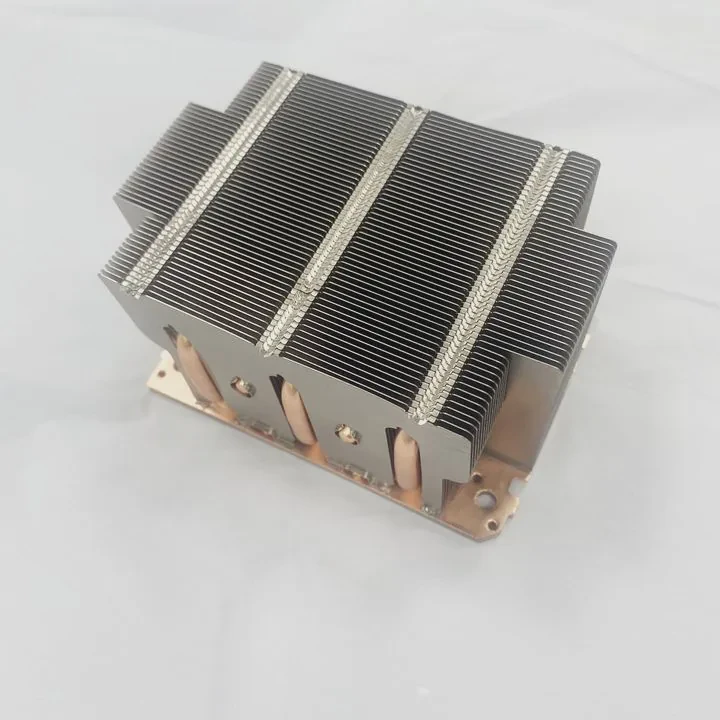
When systems get hotter, air cooling often reaches its limits. Devices start to throttle, fans grow louder, and energy efficiency drops fast.
Liquid cooling solves these problems by transferring heat more effectively, allowing higher performance, lower noise, and better long-term reliability.
In this article, I will explain what liquid cooling is, why it matters, how it works, and how to use it effectively. We’ll also look at the latest developments driving the next generation of cooling systems.
What is liquid cooling?
When people first hear “liquid cooling,” they often imagine something complicated and risky.
Liquid cooling is a thermal management method that uses a circulating liquid to absorb and remove heat from components more efficiently than air.
Basic principle
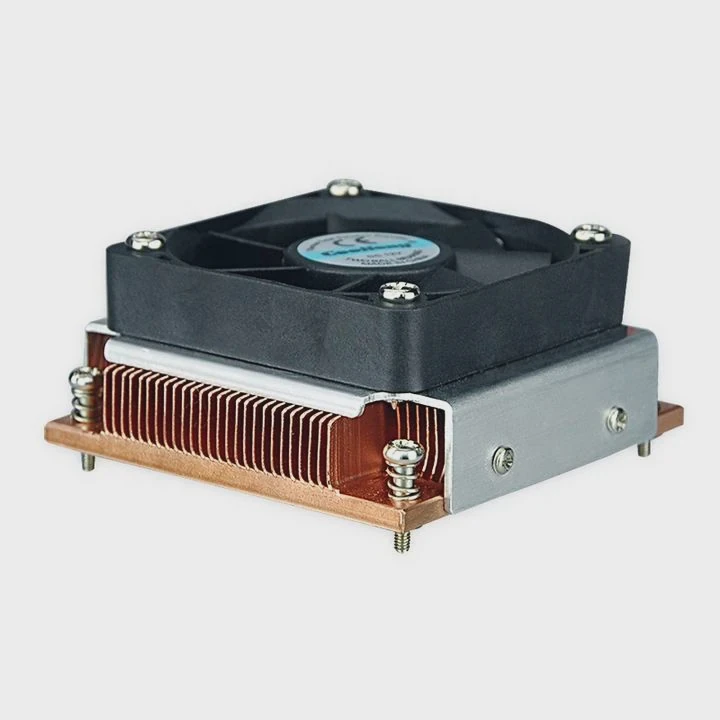
Every operating device generates heat. In air cooling, fans move air across a metal heat sink to disperse this heat. But air is a poor conductor of heat—it holds little energy and moves it slowly.
Liquid cooling replaces air with a coolant, usually water or a glycol-based mixture, that can absorb and carry heat much faster. The process looks like this:
- The liquid absorbs heat from a hot component through a cold plate or water block.
- The heated liquid moves through tubes to a radiator.
- Fans blow air over the radiator fins, releasing the heat into the environment.
- The cooled liquid returns to the component, and the cycle continues.
Core components
| Component | Function | Typical Material |
|---|---|---|
| Water block | Transfers heat from the source to liquid | Copper or aluminum |
| Pump | Moves the coolant through the loop | Ceramic or magnetic impeller |
| Radiator | Dissipates heat into air | Aluminum or copper |
| Reservoir | Stores and de-bubbles coolant | Acrylic or metal |
| Coolant | Transfers heat efficiently | Water-glycol mix |
Key insight
Liquid cooling works on a simple idea: move heat away faster than it’s produced. Because liquids have higher thermal conductivity and capacity than air, they can handle more energy in smaller spaces—an essential feature in modern electronics and industrial systems.
What benefits does it provide?
When I first used liquid cooling for a workstation, the difference was immediate. Temperatures dropped, noise faded, and performance stabilized.
The main benefits of liquid cooling are higher heat efficiency, lower noise, longer lifespan, and improved design flexibility.
1. Superior heat performance
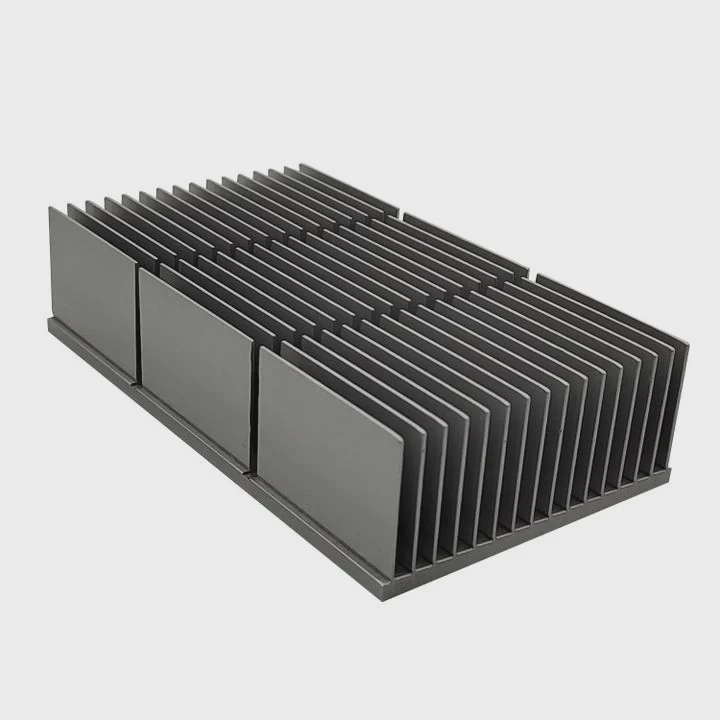
Liquid conducts heat up to 25 times more efficiently than air. This means even compact radiators can dissipate large amounts of thermal energy. In high-density electronics, like GPUs or industrial converters, this efficiency prevents overheating and maintains performance consistency.
2. Lower operating noise
Because liquid cooling is so effective, fans and pumps can run slower. Slower movement means less turbulence and less noise. Many professional systems achieve under 35 dB during full load—nearly silent operation.
3. Longer component lifespan
Heat accelerates wear on electronic components. By maintaining stable temperatures, liquid cooling extends component life, reduces failure rates, and protects expensive parts like processors or power modules.
4. Space optimization
Liquid loops can move heat away from the source to a remote radiator or external heat exchanger. This flexibility makes it ideal for tight enclosures, racks, or industrial cabinets where air circulation is limited.
5. Scalability
One of the most underrated advantages is scalability. Liquid systems can cool multiple components in a single loop—CPU, GPU, batteries, or converters. This shared cooling architecture saves space, weight, and energy.
Quick comparison
| Parameter | Air Cooling | Liquid Cooling |
|---|---|---|
| Thermal Conductivity | Low | High |
| Noise Level | Medium to High | Low |
| Maintenance | Low | Moderate |
| Cooling Capacity | Moderate | Very High |
| Design Flexibility | Limited | High |
| Best For | Basic or low-heat systems | High-performance or compact systems |
For me, the best part of liquid cooling is not only the numbers—it’s the feeling of calm and control when the system runs cool and quiet.
How to implement it effectively?
Installing a liquid cooling system may sound difficult, but with preparation and planning, it’s straightforward.
To implement liquid cooling effectively, focus on proper design, high-quality materials, careful assembly, and regular monitoring.
1. Plan your cooling layout
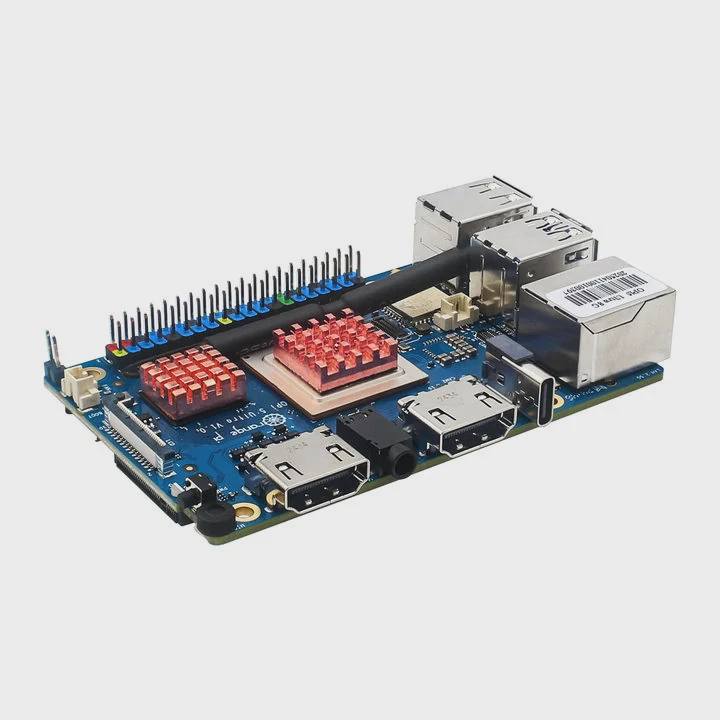
Before installation, define what components need cooling and where to place the radiator. Ensure that tubes have smooth, short paths and avoid sharp bends. A well-planned layout prevents unnecessary flow resistance.
2. Choose the right materials
Select materials compatible with each other—mixing copper and aluminum can cause corrosion. Use corrosion-resistant fittings and tubing with strong pressure ratings.
3. Use a reliable pump and flow design
The pump is the heart of the system. It must provide stable flow without cavitation. The best pumps have magnetic impellers and ceramic bearings that reduce vibration. Place the reservoir above the pump to make filling and bleeding easier.
4. Fill and test carefully
Always test for leaks before powering the system. I usually run a 12-hour leak test using paper towels at each joint. Once confirmed, fill with clean, filtered coolant to avoid blockages.
5. Maintenance routine
Replace coolant every 6–12 months and inspect fittings regularly. Use distilled water or pre-mixed coolants designed for electronics. Avoid additives that leave residue.
Practical tip
I keep a small flow indicator and temperature sensor in every loop. It lets me see if the pump is working and if heat transfer remains consistent. Early detection prevents most failures.
6. Optimize fan curves
Even with liquid cooling, fans on the radiator need fine-tuning. Adjust their speed curve so they respond gradually to temperature changes. This balance keeps noise low while maintaining stable cooling.
What are the developments in cooling systems?
Cooling technology is advancing faster than ever. Engineers are rethinking how to manage heat in high-performance and compact systems.
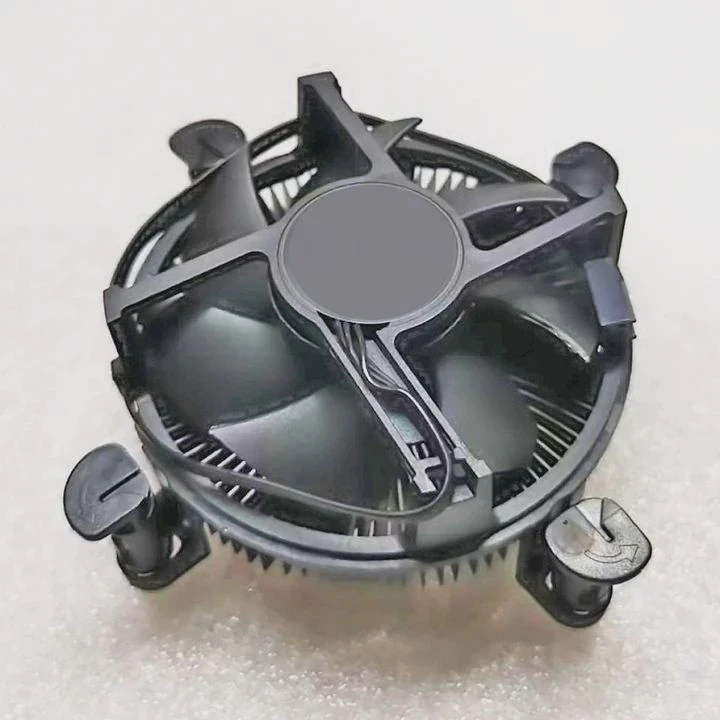
Recent developments in cooling systems focus on smarter control, new materials, phase-change methods, and hybrid solutions combining air and liquid technologies.
1. Smart control and sensors
Modern systems now use digital temperature sensors and PWM or AI-controlled pumps. These automatically adjust flow rate and fan speed based on real-time heat data. Smart control reduces energy use and extends hardware life.
2. Two-phase and vapor chamber systems
A growing trend is two-phase cooling, which uses the phase change of a fluid—from liquid to vapor—to move heat. Vapor chambers are thin sealed plates filled with working fluid. When heat hits one side, the fluid evaporates and moves heat quickly to the cooler side, then condenses back into liquid.
These systems deliver excellent heat transfer with no moving parts, making them silent and reliable.
3. Hybrid liquid-air cooling
Hybrid designs combine the best of both worlds. They use a liquid loop for hot zones and air cooling for general temperature control. Many modern workstations and energy storage systems now use this approach to balance cost, safety, and performance.
| Cooling Type | Description | Typical Application |
|---|---|---|
| Air Cooling | Fans and heat sinks | Small electronics |
| Liquid Cooling | Pumped coolant loops | Servers, GPUs |
| Two-Phase Cooling | Vapor/liquid transition | Aerospace, EVs |
| Hybrid Cooling | Air + liquid combination | Data centers, battery systems |
4. Advanced materials
Aluminum and copper remain popular, but new materials like graphene composites and nano-coated surfaces are improving heat spreading and corrosion resistance. These materials allow lighter, smaller, and more efficient radiators and heat exchangers.
5. Environmental and energy focus
Eco-friendly coolants and recyclable materials are becoming standard. Some companies use dielectric fluids, which are non-conductive and safe for direct immersion cooling. These fluids also have long service life and minimal evaporation.
6. AI-assisted thermal optimization
Artificial intelligence is starting to control cooling in data centers and EVs. By predicting workload patterns, AI adjusts cooling flow before temperatures rise. This proactive method improves efficiency and prevents thermal stress.
My perspective
I’ve seen liquid cooling evolve from hobbyist experiments to mainstream industrial applications. Today, it’s common in EV batteries, 5G base stations, aerospace electronics, and medical equipment. These systems run longer, safer, and quieter—all thanks to better thermal management.
The road ahead
Future cooling will likely be modular and intelligent, using adaptive algorithms and recyclable materials. Systems will learn, adjust, and even self-balance to maintain perfect thermal conditions without human input. The line between air and liquid cooling will blur into unified, smart thermal networks.
Conclusion
Liquid cooling offers unmatched heat performance, low noise, and long-term reliability. With smart sensors, hybrid integration, and eco-friendly materials, it’s becoming the future of thermal design. For anyone serious about efficiency and silence, liquid cooling is not just better—it’s essential.
TAGS
Latest Articles

Volume discount levels for heat sink orders?
Buyers often ask when heat sink prices start to drop with volume. Many worry they’re overpaying for small orders. This guide explains how B2B volume pricing works for thermal components. Heat sink
21 Dec,2025
Heat sink long-term supply contract options?
Many buyers want stable pricing and reliable delivery for heat sinks. But without a clear contract, risks grow over time. This article explores how to secure better long-term supply deals. Long-term
21 Dec,2025
Tooling cost for new heat sink profiles?
Many engineers struggle to understand why tooling for custom heat sinks costs so much. They worry about budgeting and production timelines. This article breaks down the cost drivers behind tooling.
21 Dec,2025
Heat sink custom sample process steps?
Sometimes, starting a custom heat sink project feels overwhelming—too many steps, too many unknowns, and too many risks. You want a sample, but not endless delays. The process for requesting and
20 Dec,2025
Standard B2B terms for heat sink payments?
When buyers and sellers in B2B heat sink markets talk about payment, many don’t fully understand what’s standard. This can lead to delayed orders, miscommunication, and even lost business
20 Dec,2025
Heat sink pricing factors for large orders?
Heat sinks are vital for many systems. When prices rise, projects stall and budgets break. This problem can hit teams hard without warning. Large order heat sink pricing depends on many factors. You
20 Dec,2025Related Articles
- When should you replace liquid cooling?
- Does liquid cooling make noise?
- Is thermal paste needed for liquid cooling?
- Is air or liquid cooling better?
- Does liquid cooling make a difference?
- How to change CPU liquid cooler?
- Is Liquid CPU Cooling Better?
- What is the best liquid cooler?
- Should liquid cooler fans be intake or exhaust?
- What is liquid CPU cooler?
- What liquid is used in a liquid cooling system?
- How to Maintain Liquid CPU Cooler?
Author
Dr. Emily Chen
Chief AI Researcher
Leading expert in thermal dynamics and AI optimization with over 15 years of experience in data center efficiency research.
Categories
Latest Products






Recommend Categories
- Liquid cooling plate Manufacturer
- Industrial Heat Sink Manufacturer
- Standard Heat Sink Manufacturer
- Aluminum Heat Sink Manufacturer
- Copper Heat Sink Manufacturer
- Anodized Heatsink Manufacturer
- Stamping heat sink Manufacturer
- Die Casting Heatsink Manufacturer
- Soldering heat sink Manufacturer
- CNC Parts Manufacturer
Latest Products
- Wholesale Aluminum Radiator
- Water Cooling Plate Kit
- Water Cooling Heat Sink
- Water Cooling Heat Sink Kit
- Stainless Steel Water Distributor
- Server Water Cooling Plate Kit
- Server Liquid Cooling System
- Server Aluminum Cooling Kit
- S19 Full Cover Cooling Plate
- S19 Cooling Plate Kit
- S19 Aluminum Cooling Plate
Contact Expert
Have questions about this article? Reach out to our experts directly.