What is the best liquid cooler?
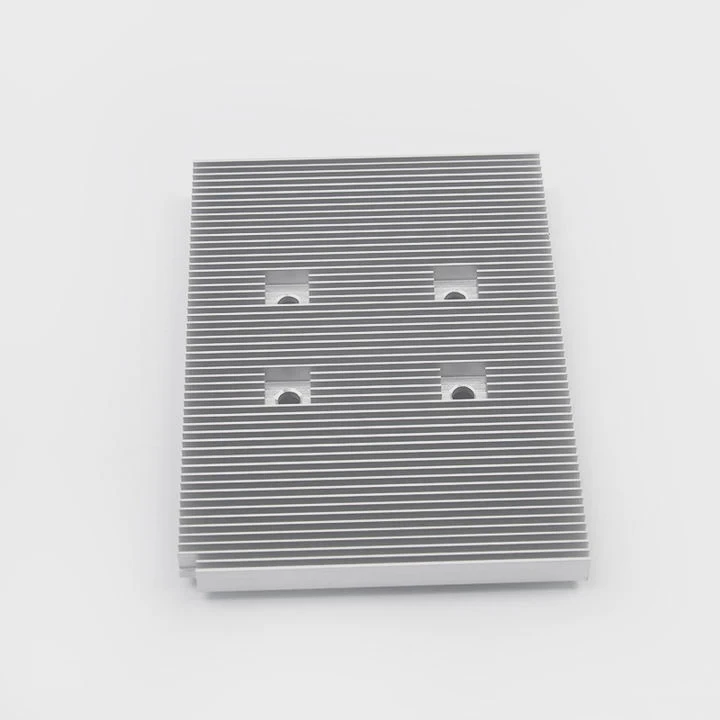
Choosing the best liquid cooler can be confusing because there are so many models, brands, and designs. Each one promises better performance, lower noise, or easier installation.
The best liquid cooler is one that balances strong cooling performance, low noise, durability, and compatibility with your specific system.
There is no one-size-fits-all model. The “best” cooler depends on your hardware, environment, and personal priorities—whether you care more about silence, aesthetics, or thermal efficiency.
What makes a liquid cooler high quality?
A high-quality liquid cooler is not just about how cold it keeps your CPU or GPU. It’s about the entire system’s stability, longevity, and how efficiently it moves heat with minimal noise.
A high-quality liquid cooler features efficient heat transfer, quiet pump operation, durable materials, and reliable seals that prevent leaks and evaporation.
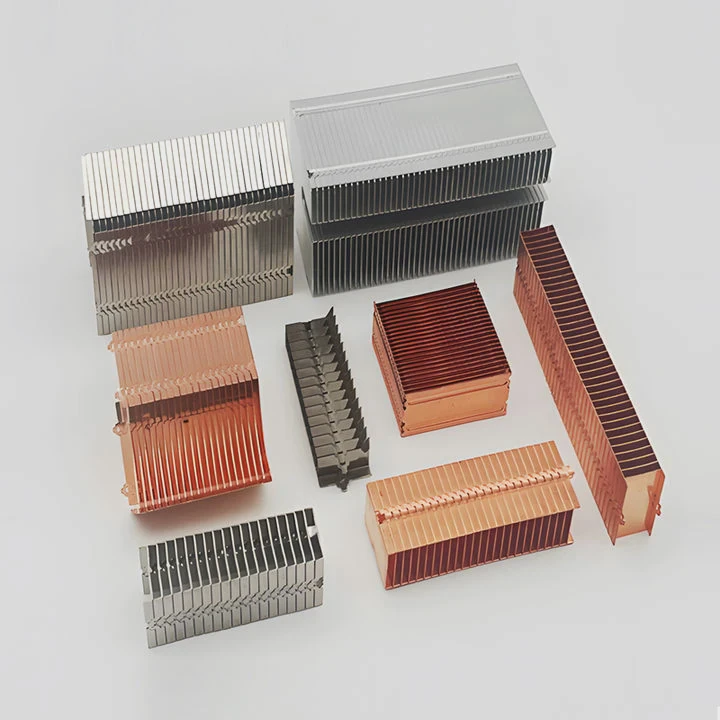
Key indicators of a premium cooler
| Feature | Description | Why It Matters |
|---|---|---|
| Pump Quality | Ceramic or magnetic bearings | Ensures long life and quiet operation |
| Radiator Material | Copper or aluminum with dense fins | Improves heat transfer |
| Tubing | Sleeved, low-evaporation rubber | Prevents wear and fluid loss |
| Cold Plate Design | Micro-channel or vapor chamber | Increases heat exchange surface |
| Coolant Type | Non-corrosive, pre-mixed fluid | Protects system over time |
| Fan Design | PWM, fluid dynamic bearing | Reduces noise and vibration |
Key construction factors
- Pump reliability: The pump is the heart of the cooler. Good pumps use precision impellers and ceramic bearings that last tens of thousands of hours.
- Radiator efficiency: Thick radiators with high fin density can dissipate heat faster. Dual or triple fan radiators (240 mm, 360 mm) improve performance.
- Cold plate material: Copper cold plates transfer heat better than aluminum. Some high-end models now integrate vapor chambers for even distribution.
- Tubing durability: Reinforced tubing resists evaporation and bending, preventing leaks or kinks.
- Noise control: A quiet pump and balanced fan speed curve make the cooler pleasant to use daily.
When all these features come together, a liquid cooler not only performs well but also lasts longer and requires less maintenance.
What are its advantages?
Liquid coolers are popular for good reason. They outperform air coolers in thermal capacity and offer better aesthetics and acoustic control.
The advantages of liquid coolers include superior cooling efficiency, lower noise levels, better temperature stability, and cleaner system design.
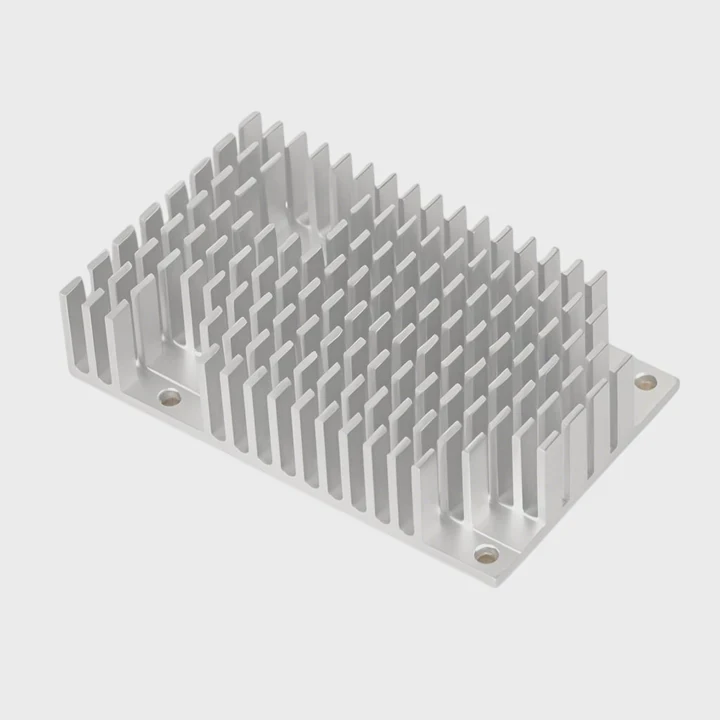
Main advantages
- Efficient heat transfer: Liquids conduct heat much faster than air, allowing higher power components to stay cooler.
- Quiet operation: Fans on radiators can spin slower than air coolers, reducing noise.
- Stable performance: Liquid systems handle heavy workloads without large temperature swings.
- Compact layout: They move heat away from the CPU, freeing space inside the case.
- Better overclocking potential: With more thermal headroom, components can safely run at higher speeds.
Comparison: liquid vs. air cooling
| Factor | Air Cooler | Liquid Cooler |
|---|---|---|
| Heat Dissipation | Moderate | Excellent |
| Noise Level | Moderate to high | Low |
| Aesthetic Appeal | Bulky | Clean and modern |
| Thermal Stability | Variable | Consistent |
| Maintenance | Minimal | Occasional |
| Price | Low | Medium to high |
Real-world effect
When I first switched from a large air cooler to a liquid system, I immediately noticed lower CPU temperatures—around 12°C less under heavy load. More importantly, the fan noise dropped by half. The result was a quieter and cooler workspace even during long editing sessions.
How to choose the best one for your setup?
Selecting the right liquid cooler depends on your specific needs—your CPU, case size, noise preference, and budget.
To choose the best liquid cooler, match its cooling capacity, radiator size, and noise level with your system’s thermal and space requirements.
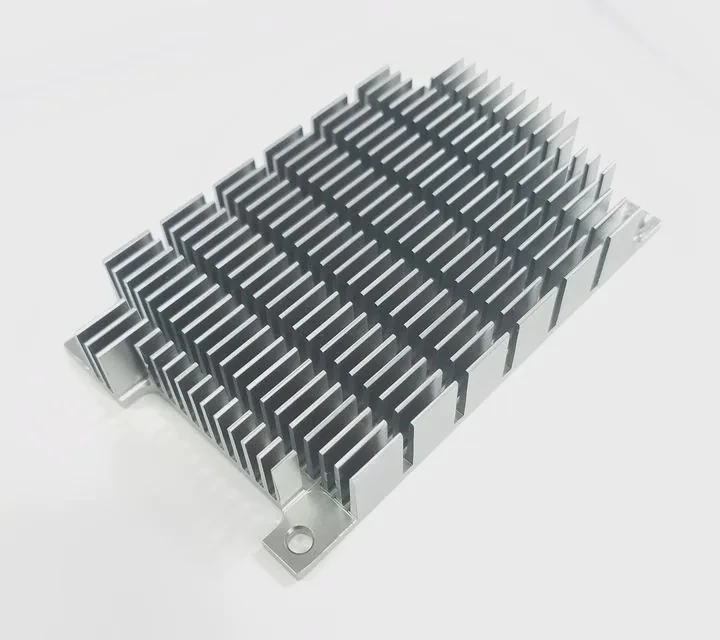
Step 1: Know your CPU’s thermal design power (TDP)
Check your CPU’s heat output, measured in watts. A cooler rated below your CPU’s TDP will struggle under load. High-end CPUs often need a 240 mm or 360 mm radiator.
Step 2: Check case compatibility
Not every case supports large radiators. Measure available mounting areas before purchase. Smaller cases might only fit a 120 mm radiator.
Step 3: Consider noise levels
If silence is important, look for coolers with PWM fans and low-noise adapters. Pumps with magnetic levitation or ceramic bearings are also quieter.
Step 4: Think about aesthetics
Some users prefer clean, minimal designs; others want RGB lighting. Choose what suits your build style.
Step 5: Review warranty and support
A good cooler comes with at least a 3–5 year warranty. Longer warranties show confidence in the product’s durability.
Example decision matrix
| Priority | Recommended Cooler Type | Example Radiator Size |
|---|---|---|
| Maximum performance | Custom loop | 360 mm or larger |
| Balanced everyday use | AIO (sealed) | 240 mm |
| Compact system | Slim AIO | 120 mm |
| Silent operation | Low-RPM fan model | 280 mm |
| Aesthetic build | RGB or white edition | 240–360 mm |
Step 6: Read independent test results
Look at reviews that include both temperature and acoustic measurements. Charts showing °C vs. dB are especially useful to find models with optimal performance per noise ratio.
By considering both physical and acoustic factors, you’ll find a liquid cooler that fits perfectly without wasting money or creating unnecessary noise.
What are the top trends in cooler design?
Liquid cooling is evolving fast, driven by demand for quieter, smaller, and smarter systems.
Top design trends in modern liquid coolers include AI control, magnetic pump technology, vapor chamber bases, and modular designs for easy customization.
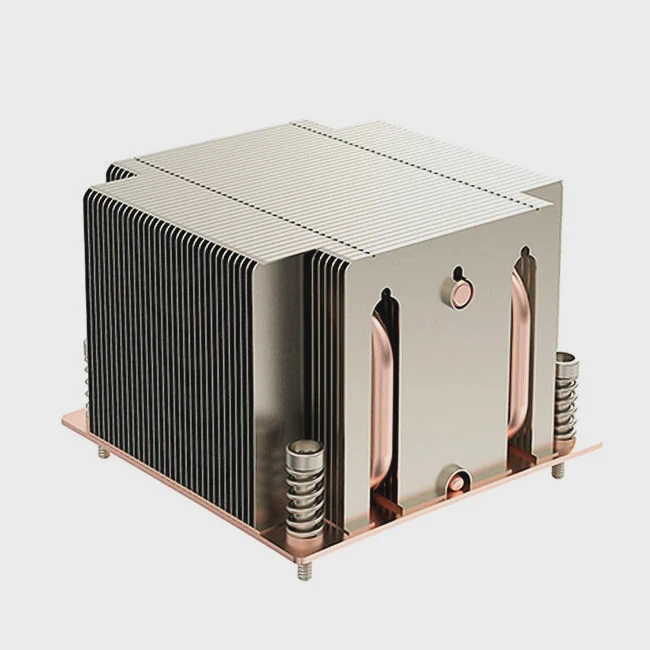
1. AI-assisted cooling control
Next-generation coolers use onboard microcontrollers or AI software that automatically adjusts pump speed and fan curves. These systems learn thermal patterns and optimize for balance between temperature and sound.
2. Magnetic levitation and ceramic pumps
Maglev and ceramic-bearing pumps eliminate mechanical friction, dramatically reducing noise and extending lifespan. These pumps are nearly silent and can run for over 50,000 hours.
3. Vapor chamber and microchannel cold plates
Manufacturers now combine vapor chamber bases with microchannel cold plates. The vapor chamber spreads heat evenly, while microchannels increase the contact area for rapid dissipation.
4. Modular and expandable loops
New designs let users add or remove radiators, pumps, and GPU blocks easily. This modular approach allows the same system to scale as you upgrade hardware.
5. Aesthetic minimalism and stealth design
Instead of flashy RGB lighting, many professionals now prefer sleek, minimal finishes. Matte black surfaces and hidden cabling define the latest premium coolers.
6. Sustainable and maintenance-free systems
Eco-friendly coolants and sealed loops reduce waste and fluid loss. Some companies are experimenting with bio-based fluids that are non-toxic and biodegradable.
Innovation overview
| Trend | Description | User Benefit |
|---|---|---|
| AI Cooling Control | Auto-optimizes speed and noise | Smarter performance |
| Maglev Pump | No-contact bearings | Silent and durable |
| Vapor Chamber Base | Even heat distribution | Better efficiency |
| Modular Loop | Expandable design | Custom flexibility |
| Eco Coolant | Bio-based, long-lasting | Low maintenance |
Future outlook
Looking ahead, we’ll see more hybrid cooling solutions that combine air, liquid, and phase-change technologies. Smart sensors will continuously monitor flow rate and temperature, adjusting performance on the fly.
For industrial or aerospace systems, solid-state and passive liquid cooling modules will dominate—offering reliability with zero moving parts.
Personal insight
When I tested an AI-controlled 360 mm cooler last year, it was striking how smoothly it adjusted to changing workloads. During light use, the fans stayed nearly silent. When rendering heavy tasks, the speed ramped up gently, never sounding abrupt or mechanical.
Conclusion
The best liquid cooler is one that fits your needs perfectly—efficient, quiet, durable, and compatible with your hardware. Look for advanced pumps, high-quality materials, and smart thermal control. With new trends like AI optimization, vapor chambers, and eco-friendly fluids, modern coolers are not just powerful—they’re intelligent, silent, and built to last.
TAGS
Latest Articles

Volume discount levels for heat sink orders?
Buyers often ask when heat sink prices start to drop with volume. Many worry they’re overpaying for small orders. This guide explains how B2B volume pricing works for thermal components. Heat sink
21 Dec,2025
Heat sink long-term supply contract options?
Many buyers want stable pricing and reliable delivery for heat sinks. But without a clear contract, risks grow over time. This article explores how to secure better long-term supply deals. Long-term
21 Dec,2025
Tooling cost for new heat sink profiles?
Many engineers struggle to understand why tooling for custom heat sinks costs so much. They worry about budgeting and production timelines. This article breaks down the cost drivers behind tooling.
21 Dec,2025
Heat sink custom sample process steps?
Sometimes, starting a custom heat sink project feels overwhelming—too many steps, too many unknowns, and too many risks. You want a sample, but not endless delays. The process for requesting and
20 Dec,2025
Standard B2B terms for heat sink payments?
When buyers and sellers in B2B heat sink markets talk about payment, many don’t fully understand what’s standard. This can lead to delayed orders, miscommunication, and even lost business
20 Dec,2025
Heat sink pricing factors for large orders?
Heat sinks are vital for many systems. When prices rise, projects stall and budgets break. This problem can hit teams hard without warning. Large order heat sink pricing depends on many factors. You
20 Dec,2025Related Articles
- Is Liquid CPU Cooling Better?
- Why liquid cooling?
- When should you replace liquid cooling?
- Does liquid cooling make noise?
- Is thermal paste needed for liquid cooling?
- Is air or liquid cooling better?
- Should liquid cooler fans be intake or exhaust?
- What is liquid CPU cooler?
- What liquid is used in a liquid cooling system?
- How to Maintain Liquid CPU Cooler?
- Is PC Liquid Cooling Worth It?
- Which is better, air cooling or liquid cooling?
Author
Dr. Emily Chen
Chief AI Researcher
Leading expert in thermal dynamics and AI optimization with over 15 years of experience in data center efficiency research.
Categories
Latest Products






Recommend Categories
- Liquid cooling plate Manufacturer
- Industrial Heat Sink Manufacturer
- Standard Heat Sink Manufacturer
- Aluminum Heat Sink Manufacturer
- Copper Heat Sink Manufacturer
- Anodized Heatsink Manufacturer
- Stamping heat sink Manufacturer
- Die Casting Heatsink Manufacturer
- Soldering heat sink Manufacturer
- CNC Parts Manufacturer
Latest Products
- Wholesale Aluminum Radiator
- Water Cooling Plate Kit
- Water Cooling Heat Sink
- Water Cooling Heat Sink Kit
- Stainless Steel Water Distributor
- Server Water Cooling Plate Kit
- Server Liquid Cooling System
- Server Aluminum Cooling Kit
- S19 Full Cover Cooling Plate
- S19 Cooling Plate Kit
- S19 Aluminum Cooling Plate
Contact Expert
Have questions about this article? Reach out to our experts directly.