What is a vapor chamber heatsink?
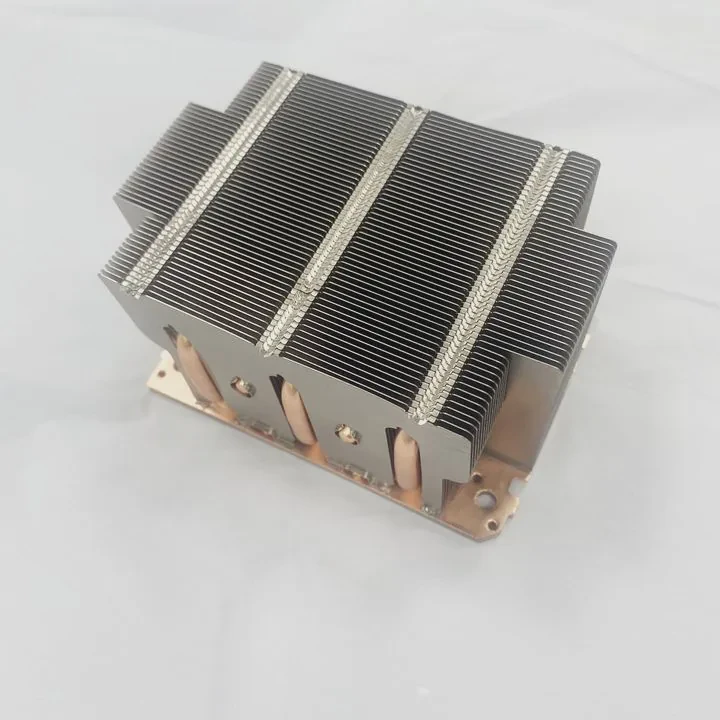
Many devices overheat when pushed to their limits. Users experience performance drops, system shutdowns, or even hardware damage. This is where advanced cooling technology like vapor chamber heatsinks comes in.
A vapor chamber heatsink is a flat, sealed metal plate filled with fluid that uses phase change to rapidly spread and dissipate heat.
While the name sounds technical, the idea is simple. It’s a smarter way to cool high-performance electronics. Let me explain how this works and why it’s better than traditional options.
How does a vapor chamber heatsink work?
When electronic components heat up, most cooling methods struggle to move the heat fast enough. This is where the vapor chamber shines.
A vapor chamber works by turning liquid into vapor at the hot spots, moving the vapor to cooler areas where it condenses, and returning the liquid back through capillary action.
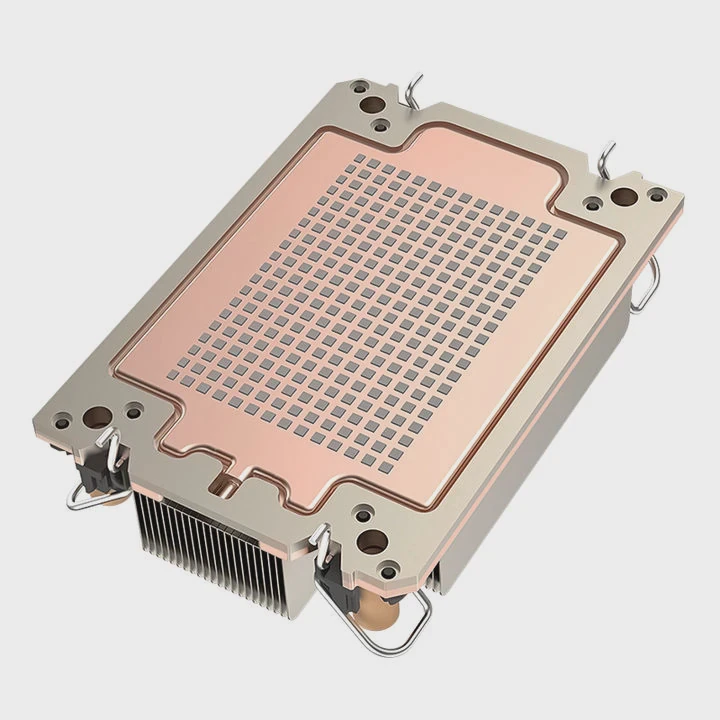
This design mimics the way a sponge soaks and releases water but uses vapor instead. Inside the sealed metal chamber, there is a small amount of liquid (usually distilled water). When one part of the chamber gets hot, the liquid boils and turns into vapor. That vapor rushes to cooler parts of the chamber. There, it releases heat, turns back into liquid, and the cycle starts again.
Key Components of a Vapor Chamber
| Component | Function |
|---|---|
| Metal housing | Contains the liquid and maintains vacuum |
| Working fluid | Transfers heat via phase change |
| Wick structure | Helps return condensed liquid to hot zones |
| Vacuum environment | Lowers boiling point of the fluid |
This mechanism moves heat in all directions across the surface, unlike heat pipes that mostly go in one direction. The result is faster and more even heat spreading.
What advantages does a vapor chamber heatsink offer?
Traditional heatsinks can only do so much. As devices get smaller and hotter, more efficient cooling becomes essential.
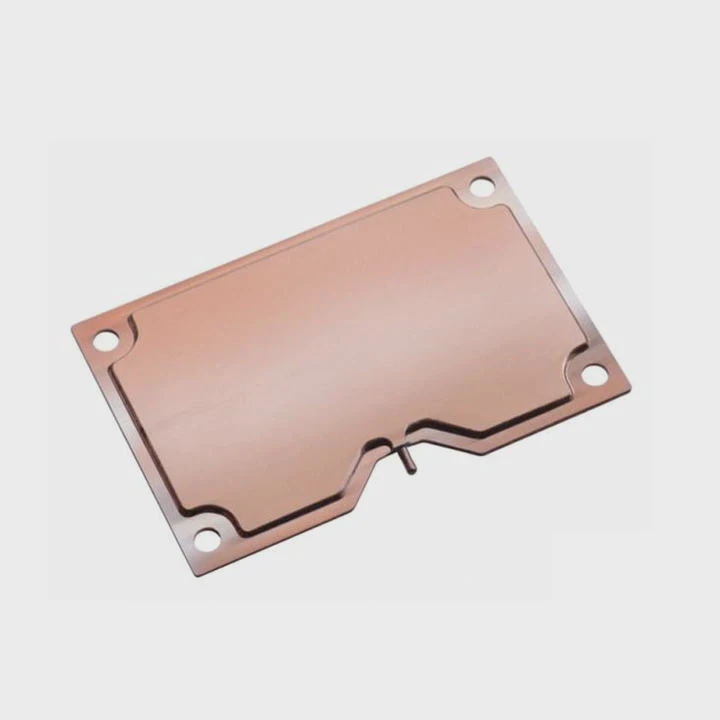
Vapor chamber heatsinks offer faster, even heat spreading, higher thermal conductivity, and more efficient use of limited space.
Let’s break down why this matters:
1. Excellent Spreading of Heat
Vapor chambers move heat away from hot spots faster. This protects critical components and improves performance consistency.
2. Space Efficiency
They are thin and flat, which makes them ideal for laptops, tablets, and other compact electronics. No bulky pipes or tall fins are needed.
3. Better Thermal Conductivity
They outperform solid copper or aluminum in how quickly and evenly they spread heat across a surface.
4. Reliable and Passive
No moving parts means no risk of mechanical failure. They are silent, long-lasting, and maintenance-free.
Performance Comparison Table
| Cooling Method | Heat Spreading | Thickness | Noise Level | Common Use |
|---|---|---|---|---|
| Solid Copper Plate | Medium | Thick | Silent | Desktop CPUs |
| Heat Pipes | High (linear) | Medium | Silent | Laptops, graphics cards |
| Vapor Chamber | Very High | Thin | Silent | High-end laptops, smartphones |
What are the limitations of a vapor chamber heatsink?
While vapor chambers sound perfect, they do have trade-offs that you should consider.
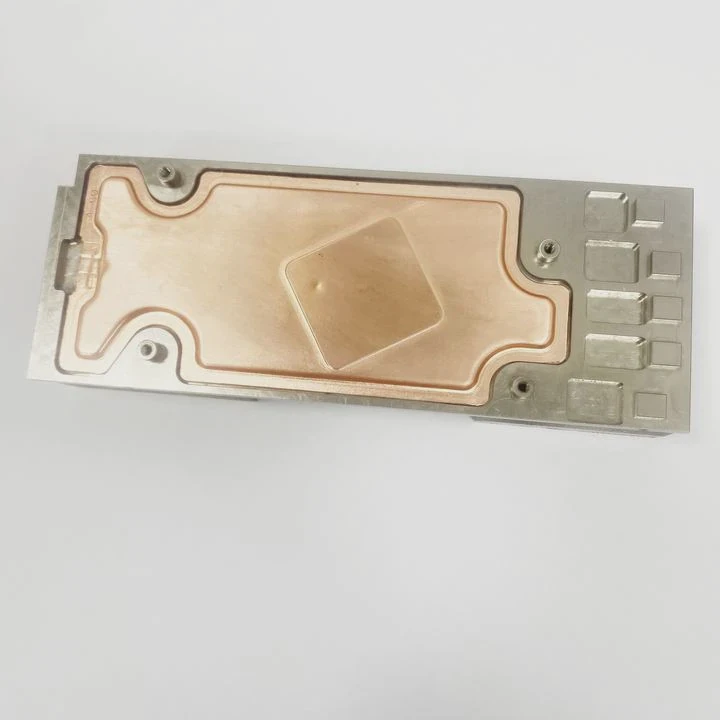
Vapor chambers can be expensive, harder to manufacture, and may underperform if installed improperly.
1. Cost
They require precision manufacturing. That makes them more expensive than regular copper heatsinks or heat pipes. For low-cost devices, this may not be ideal.
2. Design Complexity
They are harder to customize. If your product needs a very specific shape or size, it might be more challenging to use a vapor chamber.
3. Orientation Sensitivity
In poorly designed systems, gravity may impact performance. If the wick system doesn’t return fluid efficiently, heat transfer slows down.
4. Risk of Failure with Damage
Since the chamber is sealed and under vacuum, any puncture or manufacturing flaw can cause it to fail completely.
Summary of Drawbacks
| Limitation | Impact |
|---|---|
| Higher cost | Not ideal for budget products |
| Complex design | May not fit custom shapes |
| Orientation-sensitive | Needs proper positioning |
| Sealed unit risk | Damage can lead to full failure |
These issues don’t affect all users, but they matter when designing hardware or making purchasing decisions.
How does a vapor chamber heatsink compare to traditional heat pipes?
Heat pipes have been around for decades. They’re reliable, but not always the best choice for today’s compact, high-power devices.
Vapor chambers offer more even heat spreading, thinner designs, and better cooling for compact high-power devices compared to heat pipes.
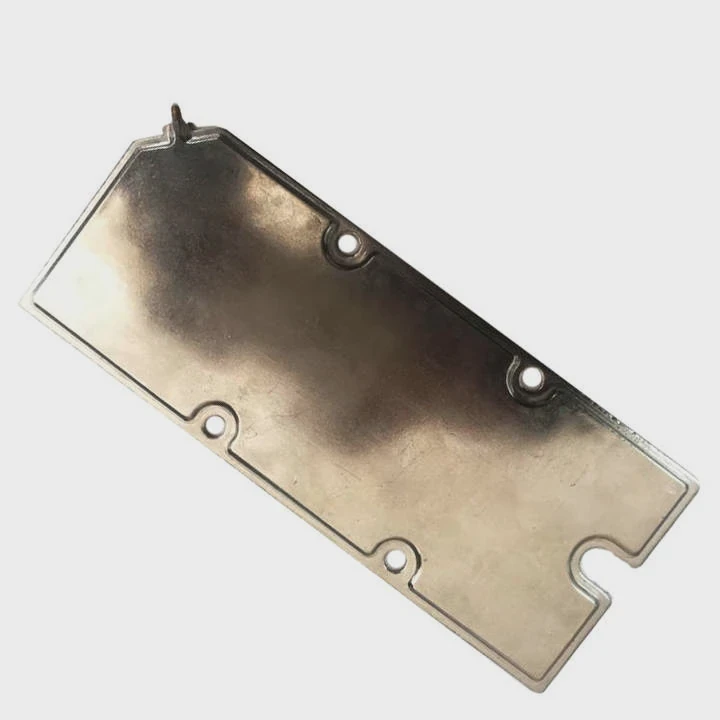
Let’s take a closer look.
1. Design Differences
- Heat pipes are tubes that transfer heat from one end to another.
- Vapor chambers are flat plates that spread heat across a surface.
This makes vapor chambers more versatile for thin devices.
2. Heat Transfer Direction
Heat pipes usually move heat in a linear path. Vapor chambers move it in all directions across a flat surface, which cools better in tight layouts.
3. Surface Contact
Vapor chambers have a larger contact area with the heat source, allowing faster heat transfer.
4. Performance in Small Spaces
In thin laptops or high-performance phones, vapor chambers cool more efficiently and use less space.
Head-to-Head Comparison
| Feature | Heat Pipe | Vapor Chamber |
|---|---|---|
| Shape | Cylindrical | Flat |
| Heat spreading | One-directional | Multi-directional |
| Thickness | Thicker | Thinner |
| Surface contact area | Smaller | Larger |
| Use in compact device | Less efficient | More efficient |
| Manufacturing cost | Lower | Higher |
Conclusion
Vapor chamber heatsinks offer powerful, compact, and silent cooling for today’s demanding devices. They outperform traditional methods in many ways but come with higher costs and design complexity. When used right, they can keep your system cool, stable, and efficient.
TAGS
Latest Articles

Volume discount levels for heat sink orders?
Buyers often ask when heat sink prices start to drop with volume. Many worry they’re overpaying for small orders. This guide explains how B2B volume pricing works for thermal components. Heat sink
21 Dec,2025
Heat sink long-term supply contract options?
Many buyers want stable pricing and reliable delivery for heat sinks. But without a clear contract, risks grow over time. This article explores how to secure better long-term supply deals. Long-term
21 Dec,2025
Tooling cost for new heat sink profiles?
Many engineers struggle to understand why tooling for custom heat sinks costs so much. They worry about budgeting and production timelines. This article breaks down the cost drivers behind tooling.
21 Dec,2025
Heat sink custom sample process steps?
Sometimes, starting a custom heat sink project feels overwhelming—too many steps, too many unknowns, and too many risks. You want a sample, but not endless delays. The process for requesting and
20 Dec,2025
Standard B2B terms for heat sink payments?
When buyers and sellers in B2B heat sink markets talk about payment, many don’t fully understand what’s standard. This can lead to delayed orders, miscommunication, and even lost business
20 Dec,2025
Heat sink pricing factors for large orders?
Heat sinks are vital for many systems. When prices rise, projects stall and budgets break. This problem can hit teams hard without warning. Large order heat sink pricing depends on many factors. You
20 Dec,2025Related Articles
- What is liquid cooling?
- Are Vapour Chambers the Future of Data Center Cooling?
- What is an Extruded Heat Sink?
- How to fix heat sink on 3D printer nozzle?
- What Is a Heat Sink Computer?
- What Is a Heat Sink in a Computer?
- What Do Heat Sinks Do?
- What Is a Heat Sink in Computer?
- What is a heat sink on a computer?
- Does heat rise or sink?
- What is a CPU heat sink?
- What is a heat sink on an SSD?
Author
Dr. Emily Chen
Chief AI Researcher
Leading expert in thermal dynamics and AI optimization with over 15 years of experience in data center efficiency research.
Categories
Latest Products






Recommend Categories
- Liquid cooling plate Manufacturer
- Industrial Heat Sink Manufacturer
- Standard Heat Sink Manufacturer
- Aluminum Heat Sink Manufacturer
- Copper Heat Sink Manufacturer
- Anodized Heatsink Manufacturer
- Stamping heat sink Manufacturer
- Die Casting Heatsink Manufacturer
- Soldering heat sink Manufacturer
- CNC Parts Manufacturer
Latest Products
- Wholesale Aluminum Radiator
- Water Cooling Plate Kit
- Water Cooling Heat Sink
- Water Cooling Heat Sink Kit
- Stainless Steel Water Distributor
- Server Water Cooling Plate Kit
- Server Liquid Cooling System
- Server Aluminum Cooling Kit
- S19 Full Cover Cooling Plate
- S19 Cooling Plate Kit
- S19 Aluminum Cooling Plate
Contact Expert
Have questions about this article? Reach out to our experts directly.