What is an Extruded Heat Sink?
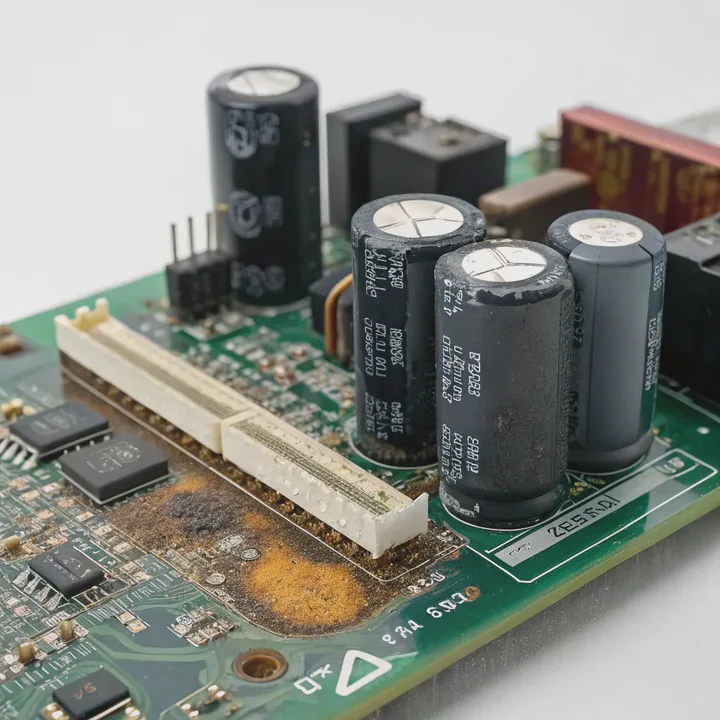
When electronic components overheat, performance drops or even fails—this is a problem I’ve seen too many times in industrial settings.
An extruded heat sink is an aluminum component made by pushing heated metal through a mold to form fins that help transfer heat away from electronic devices into the air.
If you’ve ever touched a hot LED or power module, you’ve felt the problem firsthand. In this article, I’ll explain how extruded heat sinks solve this issue, why they’re so widely used, and how you can choose the right one for your needs.
How does an extruded heat sink work?
Overheating damages electronics. Customers call us when their devices shut down mid-use. This is often due to poor heat management.
Extruded heat sinks pull heat from hot components into their aluminum body and release it through extended fins, keeping the electronics within a safe temperature range.
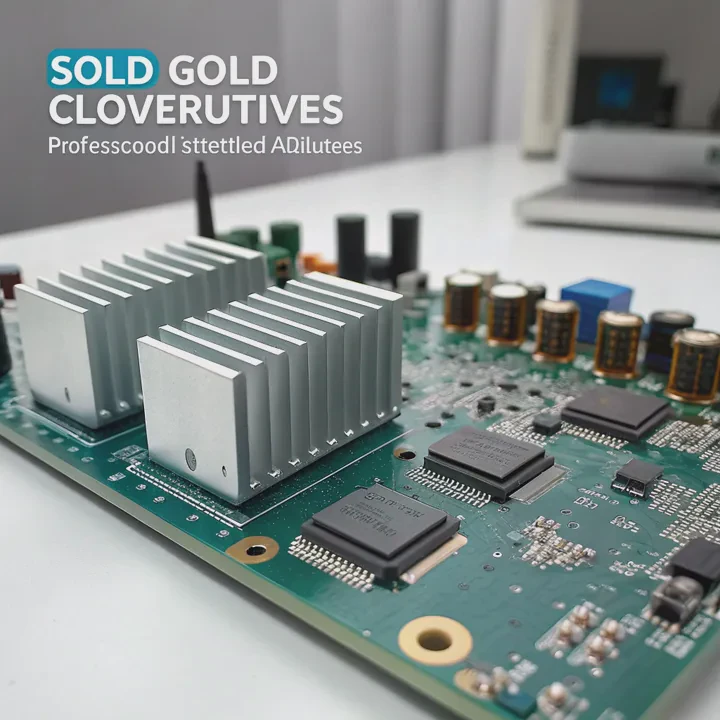
When I work with clients on thermal solutions, I often start by explaining this simple flow: heat moves from the hot part (like a chip) into the heat sink’s base. From there, it spreads through the aluminum and flows out to the fins. Those fins increase surface area, so air can carry the heat away.
Key stages of operation
- Contact: The hot device touches the base of the sink.
- Conduction: Heat travels from the device into the aluminum.
- Spreading: The heat spreads through the base and into the fins.
- Dissipation: The fins release heat into the air, either naturally or with fans.
Why extrusion matters
Because the fins and base are formed as one piece, there are no gaps. That means heat flows easily. This is better than glued or soldered fins. It’s also cost-effective.
How it looks in practice
Here’s a typical use case:
| Component | Thermal Load (Watts) | Cooling Type | Result with Extruded Sink |
|---|---|---|---|
| Power Transistor | 30W | Natural Convection | Stable at 60°C |
| LED Array | 50W | Forced Air | Stable at 55°C |
| Inverter Module | 80W | Natural + Fan | Stable at 65°C |
I always check airflow when choosing a profile. For vertical airflow, vertical fins work best. If there’s a fan blowing sideways, we change the fin direction to match it.
What are the benefits of using extruded heat sinks?
When budgets are tight and timelines short, clients often ask: Why not just pick the cheapest option? Here’s why extrusion often wins.
Extruded heat sinks offer great heat performance, low production cost, strong material quality, and support for custom shapes with minimal waste.
I’ve helped dozens of customers switch from CNC-machined heatsinks to extruded ones. They cut costs by 30% and met tighter delivery timelines.
Main benefits
1. Thermal performance
Aluminum conducts heat well, especially 6063-T5 and 6061-T6. These materials allow fast heat transfer. Combined with dense fin structures, heat sinks can cool components that generate 10–100W of heat.
2. Low cost and fast production
With extrusion, once the mold (die) is ready, we can produce thousands of meters of profile. We cut them to the needed length. This is faster and cheaper than machining every fin individually.
3. Design flexibility
Extrusion allows us to create nearly any shape. Whether you need wide, flat bases or high, narrow fins, it can be done. You can also request holes, slots, or brackets.
4. Lightweight
Compared to copper, aluminum is about one-third the weight. For products that move or hang—like lights or drone modules—this makes a big difference.
5. Scalability
I’ve seen customers scale from prototypes to mass production easily. We keep the extrusion die and repeat production without extra setup costs.
Quick Comparison Table
| Method | Cost per unit | Tooling Cost | Custom Shape Support | Best For |
|---|---|---|---|---|
| Extrusion | Low | Medium | High | Medium to high volumes |
| CNC Machining | High | None | Very High | Prototypes, complex shapes |
| Die Casting | Medium | High | Medium | High-volume small components |
How to select the right extruded heat sink?
A mistake I often see: customers buy a sink that looks right but doesn’t perform. We’ve learned to start with data, not guesswork.
To select the right extruded heat sink, match your component’s heat load, airflow type, mounting size, and preferred surface finish to the sink’s specifications.
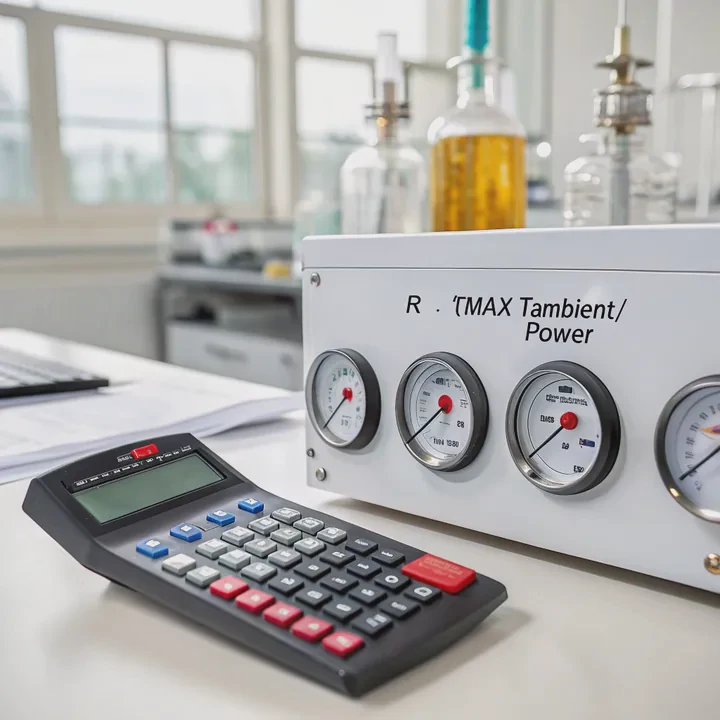
Here’s how I guide clients step-by-step.
1. Define thermal requirements
Ask:
- How much heat does your component produce (in watts)?
- What’s the maximum temperature allowed?
- What’s the ambient temperature where it runs?
From that, you can calculate needed thermal resistance.
Formula:
Rθ = (Tmax - Tambient) / Power
Example:
- 50W LED
- Max temp = 85°C
- Ambient = 30°C
- Rθ = (85–30)/50 = 1.1°C/W
Look for a sink with a lower thermal resistance.
2. Check airflow type
- Natural convection: Air rises naturally. Needs wide fin spacing.
- Forced air: Fan blows air. Can use denser fins.
Choose profiles optimized for your airflow. We label our profiles for this.
3. Review mounting space
Check how much room you have:
- Length × Width × Height
- Any enclosure walls?
- Weight limits?
Sometimes, we need to cut or add brackets to fit tight spaces.
4. Material and finish
| Option | Benefit |
|---|---|
| 6063-T5 | Easy to extrude, good conductivity |
| 6061-T6 | Stronger, slightly less conductive |
| Anodized | Better corrosion resistance |
| Bare aluminum | Slightly better conductivity |
Choose finish based on whether your product is used outdoors, in corrosive areas, or clean environments.
5. Add holes or features
If you need:
- Screw holes
- Mounting slots
- CNC finishing
Ask early. We often pre-machine profiles during cutting to reduce cost later.
6. Order size and supply chain
For small orders (under 100 pcs), standard profiles work best.
For custom projects (above 300 kg), we suggest custom dies. These pay off quickly.
What are the latest trends in extruded heat sink design?
As electronics get smaller and more powerful, heat sinks must do more—without growing in size.
Today’s extruded heat sink trends focus on higher fin density, hybrid materials, surface coating advances, and AI-driven shape optimization.
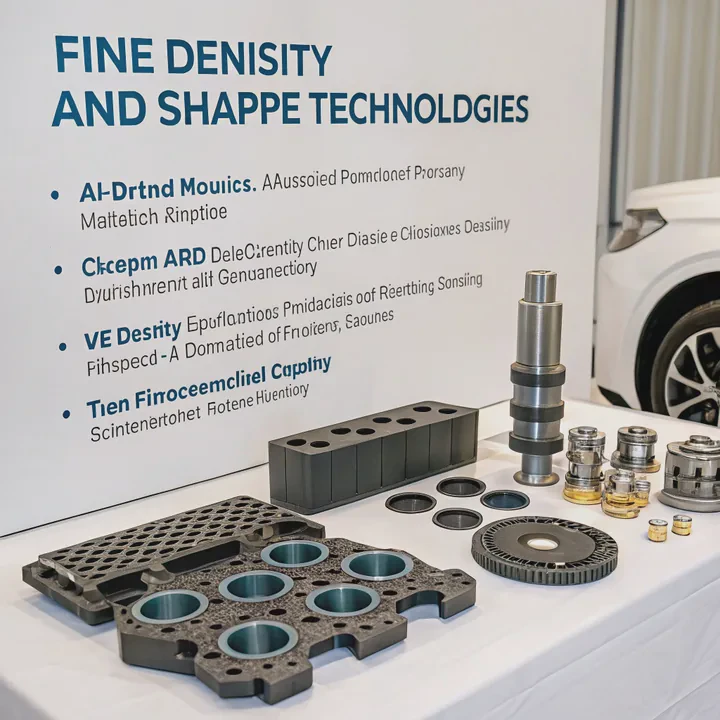
I’ve worked on many custom designs over the past year. The trend is clear: better performance in tighter spaces.
1. Higher fin density profiles
We’re developing profiles with tighter fin spacing (like 3 mm), giving more surface area without increasing width. For forced-air setups, this boosts cooling by 20–30%.
2. Copper-aluminum hybrids
In high-performance areas, we insert copper pads into the aluminum base. This takes advantage of copper’s higher conductivity near the heat source, while keeping the weight and cost low.
3. Smart shapes from simulation
We now use simulation software to run airflow and heat tests before production. This helps us optimize fin height, spacing, and even add cutouts or air tunnels—something impossible 5 years ago.
4. Better coatings
Our new black anodized finishes offer higher emissivity, meaning they radiate more heat. Some customers request ceramic coatings for special use, like in saltwater or chemical environments.
5. Integrated heat sinks
Instead of using separate parts, we now design extruded profiles that become part of the product enclosure. This reduces cost and improves thermal contact.
Conclusion
Extruded heat sinks are simple in concept, but powerful in practice. They remove heat from your devices, helping them last longer and perform better. By understanding how they work, what makes them efficient, and how to choose the right one, you can improve your product’s reliability and cost-effectiveness. With the latest design trends, the possibilities for custom, high-performance extrusion are only growing.
TAGS
Latest Articles

Volume discount levels for heat sink orders?
Buyers often ask when heat sink prices start to drop with volume. Many worry they’re overpaying for small orders. This guide explains how B2B volume pricing works for thermal components. Heat sink
21 Dec,2025
Heat sink long-term supply contract options?
Many buyers want stable pricing and reliable delivery for heat sinks. But without a clear contract, risks grow over time. This article explores how to secure better long-term supply deals. Long-term
21 Dec,2025
Tooling cost for new heat sink profiles?
Many engineers struggle to understand why tooling for custom heat sinks costs so much. They worry about budgeting and production timelines. This article breaks down the cost drivers behind tooling.
21 Dec,2025
Heat sink custom sample process steps?
Sometimes, starting a custom heat sink project feels overwhelming—too many steps, too many unknowns, and too many risks. You want a sample, but not endless delays. The process for requesting and
20 Dec,2025
Standard B2B terms for heat sink payments?
When buyers and sellers in B2B heat sink markets talk about payment, many don’t fully understand what’s standard. This can lead to delayed orders, miscommunication, and even lost business
20 Dec,2025
Heat sink pricing factors for large orders?
Heat sinks are vital for many systems. When prices rise, projects stall and budgets break. This problem can hit teams hard without warning. Large order heat sink pricing depends on many factors. You
20 Dec,2025Related Articles
- Are Vapour Chambers the Future of Data Center Cooling?
- What is liquid cooling?
- What is a vapor chamber heatsink?
- How to fix heat sink on 3D printer nozzle?
- What Is a Heat Sink Computer?
- What Is a Heat Sink in a Computer?
- What Do Heat Sinks Do?
- What Is a Heat Sink in Computer?
- What is a heat sink on a computer?
- Does heat rise or sink?
- What is a CPU heat sink?
- What is a heat sink on an SSD?
Author
Dr. Emily Chen
Chief AI Researcher
Leading expert in thermal dynamics and AI optimization with over 15 years of experience in data center efficiency research.
Categories
Latest Products






Recommend Categories
- Liquid cooling plate Manufacturer
- Industrial Heat Sink Manufacturer
- Standard Heat Sink Manufacturer
- Aluminum Heat Sink Manufacturer
- Copper Heat Sink Manufacturer
- Anodized Heatsink Manufacturer
- Stamping heat sink Manufacturer
- Die Casting Heatsink Manufacturer
- Soldering heat sink Manufacturer
- CNC Parts Manufacturer
Latest Products
- Wholesale Aluminum Radiator
- Water Cooling Plate Kit
- Water Cooling Heat Sink
- Water Cooling Heat Sink Kit
- Stainless Steel Water Distributor
- Server Water Cooling Plate Kit
- Server Liquid Cooling System
- Server Aluminum Cooling Kit
- S19 Full Cover Cooling Plate
- S19 Cooling Plate Kit
- S19 Aluminum Cooling Plate
Contact Expert
Have questions about this article? Reach out to our experts directly.