Is PC Liquid Cooling Worth It?
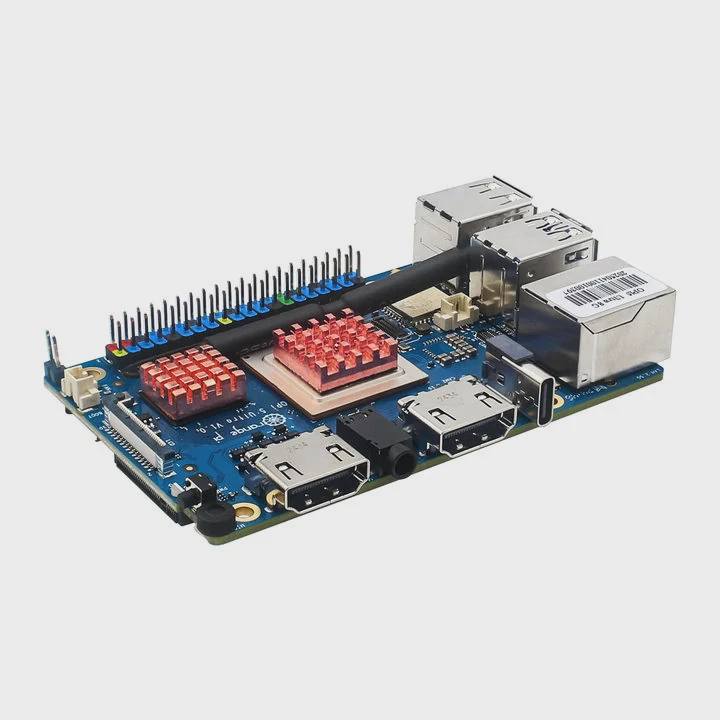
When your PC gets hotter, performance starts to drop. You might wonder if liquid cooling can fix it. This question keeps coming up among gamers and engineers alike.
Yes, PC liquid cooling can be worth it if you need better heat control, lower noise, and system longevity. It offers higher efficiency than air cooling, but it comes with higher cost and maintenance.
Some people upgrade their cooling system and regret it; others say it’s the best investment they made. The answer depends on your usage, environment, and goals. Let’s look deeper into the costs, performance, and adoption trends.
What Are the Costs and Benefits?
When you first think about switching to liquid cooling, it sounds premium and complex. You may feel it’s expensive and risky to install.
The main benefits of liquid cooling are lower noise, better heat dissipation, and more consistent performance. The main costs are high initial investment, potential leakage risk, and maintenance.
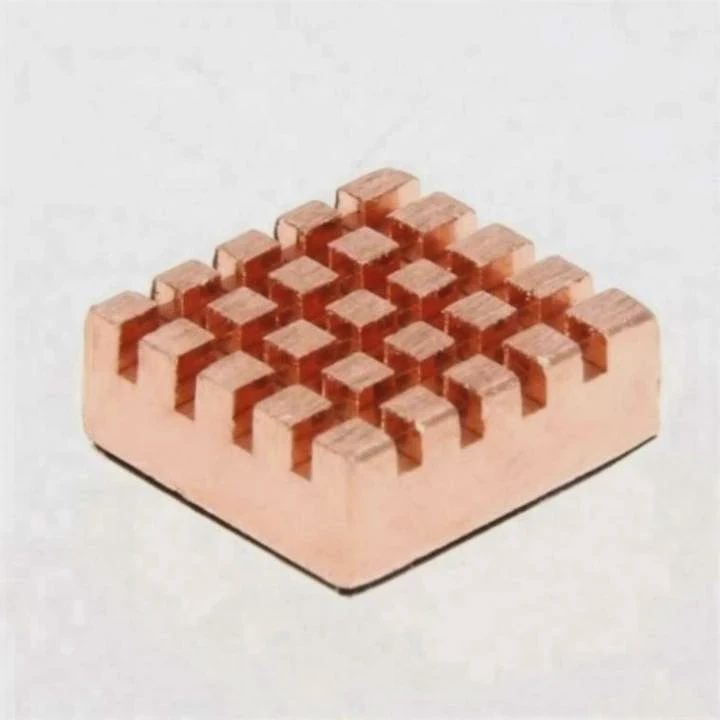
Liquid cooling replaces the traditional air cooler with a closed-loop or custom water system that transfers heat away from the CPU or GPU more efficiently. It keeps components cooler even under heavy load. However, it’s not only about temperature numbers — it’s also about system stability and noise levels.
Comparing Costs and Benefits
| Aspect | Liquid Cooling | Air Cooling |
|---|---|---|
| Initial Cost | \(100–\)400 | \(30–\)100 |
| Noise Level | Low | Moderate to high |
| Maintenance | Moderate (needs refill/checks) | Minimal |
| Performance | Excellent for heavy load | Good for average use |
| Risk | Possible leak or pump failure | Almost none |
From my own experience, the noise reduction alone made my workspace quieter and more pleasant. But I also had to clean the loop once a year and replace the coolant. So while the benefits were real, they required care and commitment.
What Are the Performance Improvements?
When you run demanding software like video editing or 3D rendering, you push your CPU or GPU close to their limits. You start noticing thermal throttling, where the chip slows down to prevent overheating.
Liquid cooling can lower CPU and GPU temperatures by 10–20°C and reduce thermal throttling, leading to 5–15% higher sustained performance.
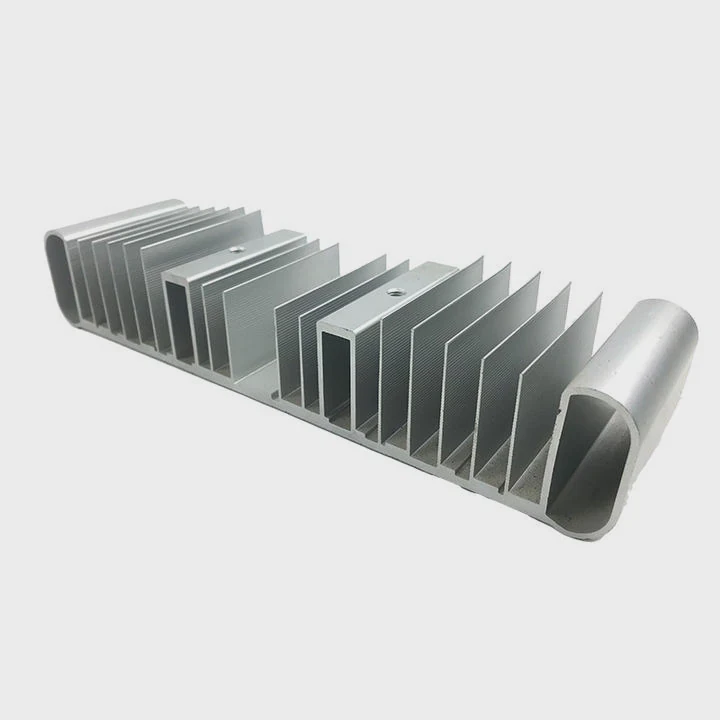
When your system runs cooler, you can also achieve stable overclocking. This means you can push your processor’s clock speed higher without instability. A better temperature curve means fewer sudden drops in performance during long sessions.
Typical Temperature Improvements
| Component | Air Cooling Temp (°C) | Liquid Cooling Temp (°C) | Difference |
|---|---|---|---|
| CPU (under load) | 80–90 | 60–70 | -20 |
| GPU (under load) | 85–95 | 65–75 | -20 |
When I installed my first AIO (All-in-One) cooler, I noticed my CPU stayed 18°C cooler during a long render. My fans also ran slower, reducing noise significantly. This not only improved my working comfort but also extended the lifespan of the components.
Performance vs. Cost Balance
If you mostly browse or play light games, air cooling is still great. But for creative professionals, gamers, or engineers who run simulations, liquid cooling ensures consistent thermal stability. Over time, it can even protect against premature component wear.
How to Determine If It’s Worth Investing In?
Many people ask if liquid cooling is right for them, but the answer depends on usage type, performance needs, and budget.
You should invest in liquid cooling if you run high-load applications, need silent operation, or plan long-term overclocking. For casual users, high-end air coolers are enough.
Key Factors to Consider
Usage Type
- Heavy gaming, rendering, or simulation = Liquid cooling worth it
- Office work or casual gaming = Stick to air cooling
- Heavy gaming, rendering, or simulation = Liquid cooling worth it
Budget
- AIO systems cost around \(150–\)300
- Custom loops can reach \(400–\)1000
- AIO systems cost around \(150–\)300
Noise Sensitivity
- Liquid systems are quieter due to fewer fan cycles
- Liquid systems are quieter due to fewer fan cycles
Maintenance
- AIOs are mostly plug-and-play
- Custom loops require cleaning and monitoring
- AIOs are mostly plug-and-play
When I built my workstation, I first thought liquid cooling was overkill. But after running intensive thermal simulations, I saw that air cooling couldn’t maintain stable temperatures under heavy load. The investment became justified when the system ran faster and quieter.
Simplified Decision Table
| Scenario | Recommendation |
|---|---|
| High-end gaming | Liquid cooling (AIO or custom) |
| Video editing/rendering | Liquid cooling preferred |
| Office/low-load work | Air cooling sufficient |
| Small cases (limited airflow) | AIO liquid cooling helpful |
This step-by-step comparison helps you see if liquid cooling fits your actual needs. It’s about aligning performance expectations with realistic costs and maintenance.
What Are the Trends in PC Cooling Adoption?
Over the past five years, the PC cooling market has changed rapidly. Gamers and engineers are not the only ones choosing liquid cooling now — even workstation builders and content creators are switching.
The trend shows a steady rise in liquid cooling adoption, driven by better design, reliability, and lower prices of AIO systems.
Manufacturers like Corsair, NZXT, and Cooler Master have introduced user-friendly models that are easier to install and maintain. Custom water loops, once considered niche, are now part of many high-end setups. This shift is also supported by the growing power of CPUs and GPUs that demand better thermal control.
Industry Data Overview
| Year | Market Share of Liquid Cooling | Market Share of Air Cooling |
|---|---|---|
| 2018 | 18% | 82% |
| 2020 | 26% | 74% |
| 2023 | 37% | 63% |
| 2025 (est.) | 45% | 55% |
These numbers show that liquid cooling is moving from enthusiast-only to mainstream adoption. Even pre-built gaming systems often come with AIO coolers now. For many, it’s no longer about aesthetics but about stability and long-term system protection.
Why the Trend Will Continue
There are several reasons this trend keeps growing:
- CPUs and GPUs continue to increase in power density
- Compact case designs limit air circulation
- Users want quieter environments for streaming and work
- Manufacturers offer more reliable and leak-resistant designs
Personally, I think the most exciting part is that AIO systems are becoming affordable for entry-level users. The combination of price drop and better reliability will likely make liquid cooling standard in most mid-to-high-end systems by 2030.
Conclusion
Liquid cooling is not for everyone, but for users who push their PCs hard, it’s a game changer. It provides cooler operation, quieter performance, and higher system life. Whether it’s worth it depends on your workload, budget, and how much you value silence and stability.
TAGS
Latest Articles

Volume discount levels for heat sink orders?
Buyers often ask when heat sink prices start to drop with volume. Many worry they’re overpaying for small orders. This guide explains how B2B volume pricing works for thermal components. Heat sink
21 Dec,2025
Heat sink long-term supply contract options?
Many buyers want stable pricing and reliable delivery for heat sinks. But without a clear contract, risks grow over time. This article explores how to secure better long-term supply deals. Long-term
21 Dec,2025
Tooling cost for new heat sink profiles?
Many engineers struggle to understand why tooling for custom heat sinks costs so much. They worry about budgeting and production timelines. This article breaks down the cost drivers behind tooling.
21 Dec,2025
Heat sink custom sample process steps?
Sometimes, starting a custom heat sink project feels overwhelming—too many steps, too many unknowns, and too many risks. You want a sample, but not endless delays. The process for requesting and
20 Dec,2025
Standard B2B terms for heat sink payments?
When buyers and sellers in B2B heat sink markets talk about payment, many don’t fully understand what’s standard. This can lead to delayed orders, miscommunication, and even lost business
20 Dec,2025
Heat sink pricing factors for large orders?
Heat sinks are vital for many systems. When prices rise, projects stall and budgets break. This problem can hit teams hard without warning. Large order heat sink pricing depends on many factors. You
20 Dec,2025Related Articles
- How to Maintain Liquid CPU Cooler?
- What liquid is used in a liquid cooling system?
- What is liquid CPU cooler?
- Should liquid cooler fans be intake or exhaust?
- What is the best liquid cooler?
- Is Liquid CPU Cooling Better?
- Which is better, air cooling or liquid cooling?
- Is liquid or air cooling better?
- Is liquid cooling better for CPU?
- How to change liquid cooling?
- How to use liquid cooling?
- Is liquid cooling high maintenance?
Author
Dr. Emily Chen
Chief AI Researcher
Leading expert in thermal dynamics and AI optimization with over 15 years of experience in data center efficiency research.
Categories
Latest Products






Recommend Categories
- Liquid cooling plate Manufacturer
- Industrial Heat Sink Manufacturer
- Standard Heat Sink Manufacturer
- Aluminum Heat Sink Manufacturer
- Copper Heat Sink Manufacturer
- Anodized Heatsink Manufacturer
- Stamping heat sink Manufacturer
- Die Casting Heatsink Manufacturer
- Soldering heat sink Manufacturer
- CNC Parts Manufacturer
Latest Products
- Wholesale Aluminum Radiator
- Water Cooling Plate Kit
- Water Cooling Heat Sink
- Water Cooling Heat Sink Kit
- Stainless Steel Water Distributor
- Server Water Cooling Plate Kit
- Server Liquid Cooling System
- Server Aluminum Cooling Kit
- S19 Full Cover Cooling Plate
- S19 Cooling Plate Kit
- S19 Aluminum Cooling Plate
Contact Expert
Have questions about this article? Reach out to our experts directly.