Is liquid or air cooling better?
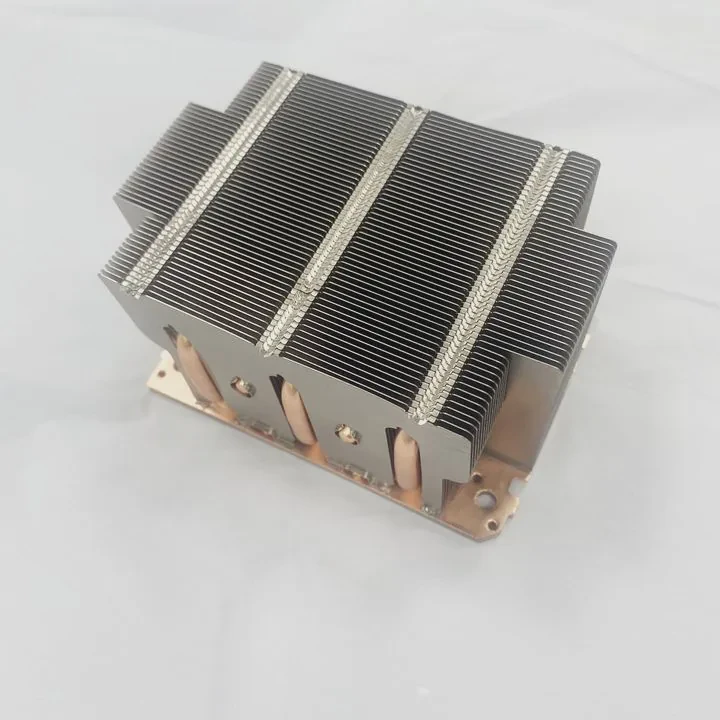
Cooling is the silent force behind every high-performance device. Without it, electronics fail, systems slow down, and reliability drops fast. Choosing the right method is not only technical but strategic.
Liquid cooling provides higher heat transfer performance than air cooling, especially for dense, high-power systems. Air cooling, however, remains simpler, cheaper, and easier to maintain.
Selecting between them depends on power density, operating environment, and system design goals. Let’s explore how each method works, their pros and cons, and where innovation is leading us.
What defines each cooling method?
In high-power systems, temperature directly affects performance and lifespan. When heat accumulates, efficiency drops. That’s why defining how each cooling method works is essential before comparing them.
Air cooling uses fans and heat sinks to dissipate heat into the surrounding air, while liquid cooling transfers heat through fluid circulation between components and radiators.

Air cooling is based on convection. Heat generated by the component passes through a heat sink—usually aluminum or copper—and is pushed away by moving air. The efficiency depends on airflow, fin surface area, and ambient temperature.
Liquid cooling, on the other hand, uses a closed loop. Coolant flows through a plate or pipe touching the heat source. It absorbs heat and transfers it to a radiator, where fans release it into the air. Because liquid has a higher heat capacity than air, it removes more energy per unit of volume.
Comparison Table: Air vs. Liquid Cooling Principles
| Feature | Air Cooling | Liquid Cooling |
|---|---|---|
| Heat Transfer Medium | Air | Coolant (Water, Glycol, or Dielectric Fluid) |
| Primary Mechanism | Convection | Conduction + Circulation |
| Key Components | Heat Sink, Fan | Cold Plate, Pump, Radiator |
| Typical Materials | Aluminum, Copper | Aluminum, Copper, Stainless Steel |
| Installation Complexity | Low | Medium to High |
Understanding these mechanisms helps engineers match the cooling method with system design. Air cooling fits low to medium heat loads. Liquid cooling serves high-density or enclosed systems where airflow is limited.
What are the pros and cons?
Every engineering choice involves balance. Cooling systems are no exception. Both air and liquid cooling have strong points and clear drawbacks depending on application needs.
Air cooling offers simplicity and low maintenance, while liquid cooling provides superior performance and scalability at higher cost and complexity.
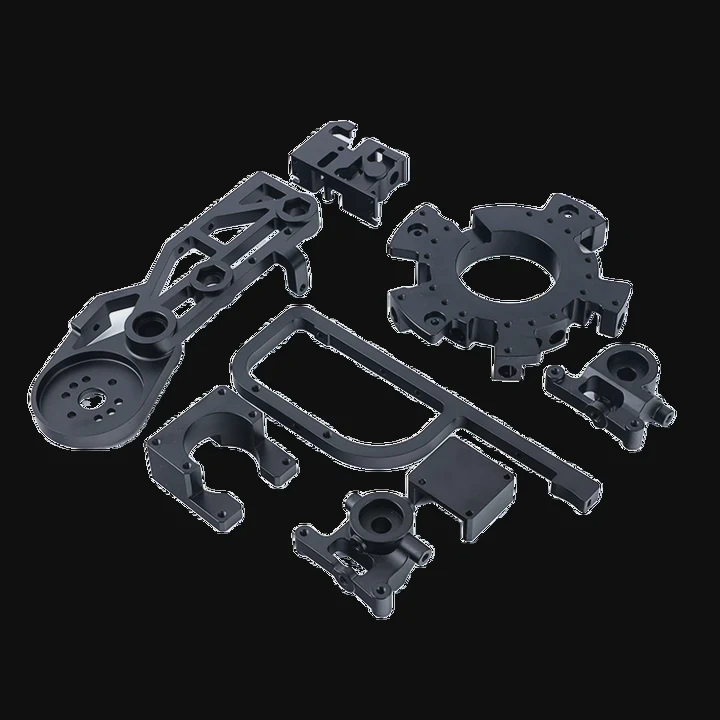
Air Cooling: Advantages and Limitations
Air cooling remains popular because it’s straightforward. No pumps, no coolant, no leaks. It’s reliable for standard environments. It’s easy to install, clean, and maintain.
However, air cooling faces limits when heat flux increases. Once the component power rises above a certain threshold, air cannot remove heat fast enough. Large fans generate noise and consume more energy. In compact systems like servers or EV batteries, air cooling efficiency declines due to restricted airflow paths.
Liquid Cooling: Strengths and Trade-offs
Liquid cooling’s main advantage is high thermal conductivity. Liquids can carry heat away more effectively, allowing tighter packaging and stable temperatures under high loads. That’s why data centers, EV inverters, and aerospace electronics increasingly adopt liquid solutions.
Still, liquid systems add design complexity. They require pumps, seals, and monitoring to prevent leakage or contamination. Manufacturing costs are higher, and long-term maintenance requires care.
Pros and Cons Table
| Cooling Type | Pros | Cons |
|---|---|---|
| Air Cooling | Simple design, Low cost, Easy maintenance | Lower efficiency, Larger size, Noise issues |
| Liquid Cooling | High heat capacity, Compact, Quieter | Higher cost, Potential leaks, More complex |
The choice often depends on system scale. For example, a consumer laptop may rely on air cooling. A high-performance computing (HPC) cluster or electric vehicle battery will almost always use liquid-based systems.
How to make an informed choice?
When I first worked on a high-density inverter project, we faced a challenge: air cooling reached its limit at 80°C ambient conditions. The switch to liquid cooling reduced the temperature by 25°C and extended system life. But not every case needs that level of performance.
The best cooling method depends on heat load, environmental conditions, cost, maintenance, and system goals.
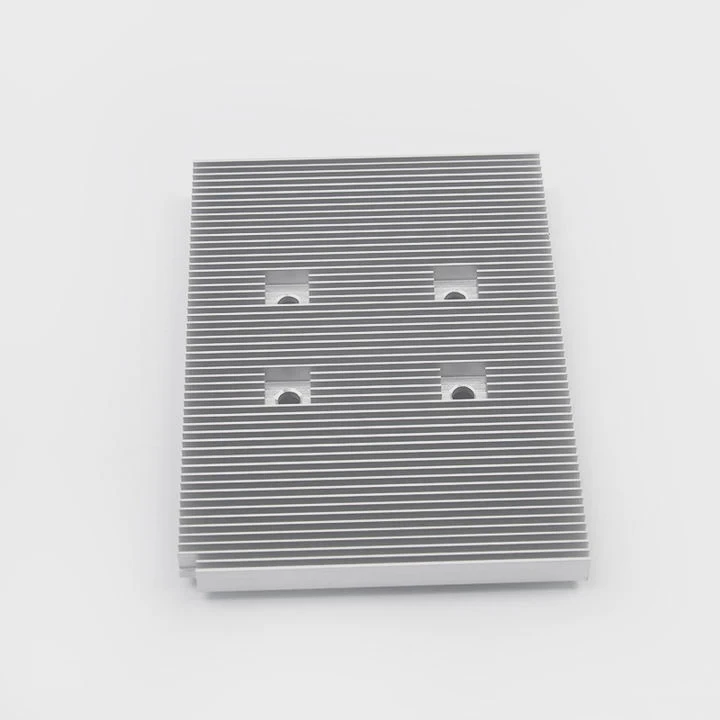
Choosing properly means matching performance to purpose. Overengineering wastes cost; underengineering risks failure.
Key Considerations
1. Heat Load and Power Density
If the device produces less than 200W of heat, air cooling can work well. Beyond that, liquid systems start to show their advantage.
2. Ambient Environment
In dusty or high-temperature environments, air cooling loses effectiveness fast. Liquid systems can be sealed, protecting internal electronics.
3. Maintenance Capability
Air systems are easier for operators to clean or replace. Liquid systems need technical handling—checking fluid levels, seals, and pumps.
4. Cost vs. Performance
Liquid systems are typically 30–50% more expensive in initial setup but may save cost in the long term through lower energy use and longer component lifespan.
5. Design Integration
Liquid systems can integrate into the product architecture more compactly, improving performance per volume. Air cooling often requires larger external heat sinks or ducts.
Decision Matrix Example
| Parameter | Recommended Cooling Type |
|---|---|
| <200W Heat Load | Air Cooling |
| 200W–1000W | Liquid Cooling (Optional) |
| >1000W | Liquid Cooling (Preferred) |
| High Dust/Sealed Environment | Liquid Cooling |
| Budget Priority | Air Cooling |
| Noise Reduction Needed | Liquid Cooling |
Selecting the correct solution often involves prototype testing. Simulating heat flow early in design helps avoid costly redesigns later.
What are the innovations in cooling efficiency?
Thermal management has advanced rapidly in the last decade. New materials, smarter control, and hybrid systems are pushing efficiency higher than ever.
The latest innovations include vapor chambers, phase-change materials, microchannel liquid plates, and integrated thermal-electric systems that optimize cooling in real time.
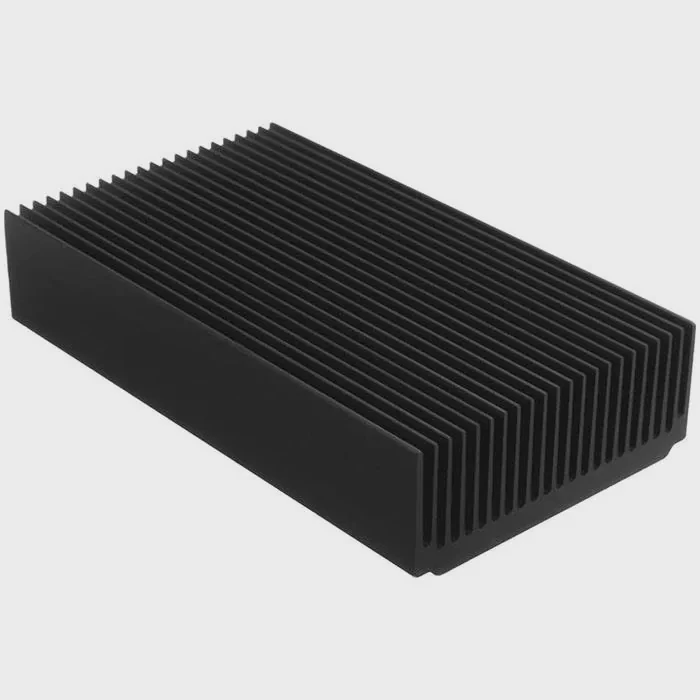
1. Vapor Chambers and Heat Pipes
These systems use phase-change to transfer heat quickly. Inside the sealed metal enclosure, fluid evaporates at the hot end and condenses at the cool end, spreading heat evenly. They’re widely used in laptops, 5G modules, and LED panels.
2. Microchannel Liquid Plates
Engineers are now developing aluminum and copper microchannel cold plates. These plates contain fine internal passages that increase surface area and enhance heat transfer. They support higher flow rates and reduce thermal resistance, ideal for electric vehicles and semiconductor cooling.
3. Phase-Change Thermal Storage
Phase-change materials (PCM) absorb large amounts of heat during melting. This helps smooth temperature peaks in intermittent load systems, like satellites or power electronics. When the load decreases, PCMs release the stored heat slowly, maintaining stable temperatures.
4. Smart Control Systems
Sensors and AI-driven controllers are transforming cooling management. By monitoring temperature in real time, the system adjusts pump speed or fan operation to balance energy efficiency and performance.
5. Advanced Manufacturing Techniques
Technologies like friction stir welding, vacuum brazing, and additive manufacturing allow designers to produce integrated cooling modules with complex internal channels. This reduces joints and leakage points while improving heat spreading efficiency.
Example of Efficiency Comparison
| Technology | Cooling Efficiency (W/m·K Equivalent) | Application |
|---|---|---|
| Air Cooling | ~50 | Consumer Electronics |
| Liquid Cooling | ~500 | Data Centers, EV Systems |
| Vapor Chamber | ~2000 | Compact Electronics |
| Microchannel Plate | ~5000+ | Power Electronics, Aerospace |
6. Hybrid and Modular Systems
The future trend combines multiple methods. For instance, a base liquid cooling loop can work with vapor chambers on localized hotspots. Modular thermal blocks allow customization across different power modules without redesigning the entire system.
Innovation focuses on increasing thermal density per volume, system reliability, and energy efficiency. For engineers, it means smaller, cooler, and longer-lasting products.
Conclusion
Liquid cooling is not always better—but it is often smarter for high-performance systems. The right choice balances thermal needs, cost, and reliability. As technology evolves, cooling is no longer a background detail. It’s part of product design strategy and innovation itself.
TAGS
Latest Articles

Volume discount levels for heat sink orders?
Buyers often ask when heat sink prices start to drop with volume. Many worry they’re overpaying for small orders. This guide explains how B2B volume pricing works for thermal components. Heat sink
21 Dec,2025
Heat sink long-term supply contract options?
Many buyers want stable pricing and reliable delivery for heat sinks. But without a clear contract, risks grow over time. This article explores how to secure better long-term supply deals. Long-term
21 Dec,2025
Tooling cost for new heat sink profiles?
Many engineers struggle to understand why tooling for custom heat sinks costs so much. They worry about budgeting and production timelines. This article breaks down the cost drivers behind tooling.
21 Dec,2025
Heat sink custom sample process steps?
Sometimes, starting a custom heat sink project feels overwhelming—too many steps, too many unknowns, and too many risks. You want a sample, but not endless delays. The process for requesting and
20 Dec,2025
Standard B2B terms for heat sink payments?
When buyers and sellers in B2B heat sink markets talk about payment, many don’t fully understand what’s standard. This can lead to delayed orders, miscommunication, and even lost business
20 Dec,2025
Heat sink pricing factors for large orders?
Heat sinks are vital for many systems. When prices rise, projects stall and budgets break. This problem can hit teams hard without warning. Large order heat sink pricing depends on many factors. You
20 Dec,2025Related Articles
- Which is better, air cooling or liquid cooling?
- Is PC Liquid Cooling Worth It?
- How to Maintain Liquid CPU Cooler?
- What liquid is used in a liquid cooling system?
- What is liquid CPU cooler?
- Should liquid cooler fans be intake or exhaust?
- Is liquid cooling better for CPU?
- How to change liquid cooling?
- How to use liquid cooling?
- Is liquid cooling high maintenance?
- How to know if liquid cooling is working?
- What happens to a liquid when it cools?
Author
Dr. Emily Chen
Chief AI Researcher
Leading expert in thermal dynamics and AI optimization with over 15 years of experience in data center efficiency research.
Categories
Latest Products






Recommend Categories
- Liquid cooling plate Manufacturer
- Industrial Heat Sink Manufacturer
- Standard Heat Sink Manufacturer
- Aluminum Heat Sink Manufacturer
- Copper Heat Sink Manufacturer
- Anodized Heatsink Manufacturer
- Stamping heat sink Manufacturer
- Die Casting Heatsink Manufacturer
- Soldering heat sink Manufacturer
- CNC Parts Manufacturer
Latest Products
- Wholesale Aluminum Radiator
- Water Cooling Plate Kit
- Water Cooling Heat Sink
- Water Cooling Heat Sink Kit
- Stainless Steel Water Distributor
- Server Water Cooling Plate Kit
- Server Liquid Cooling System
- Server Aluminum Cooling Kit
- S19 Full Cover Cooling Plate
- S19 Cooling Plate Kit
- S19 Aluminum Cooling Plate
Contact Expert
Have questions about this article? Reach out to our experts directly.