Is liquid cooling more expensive?
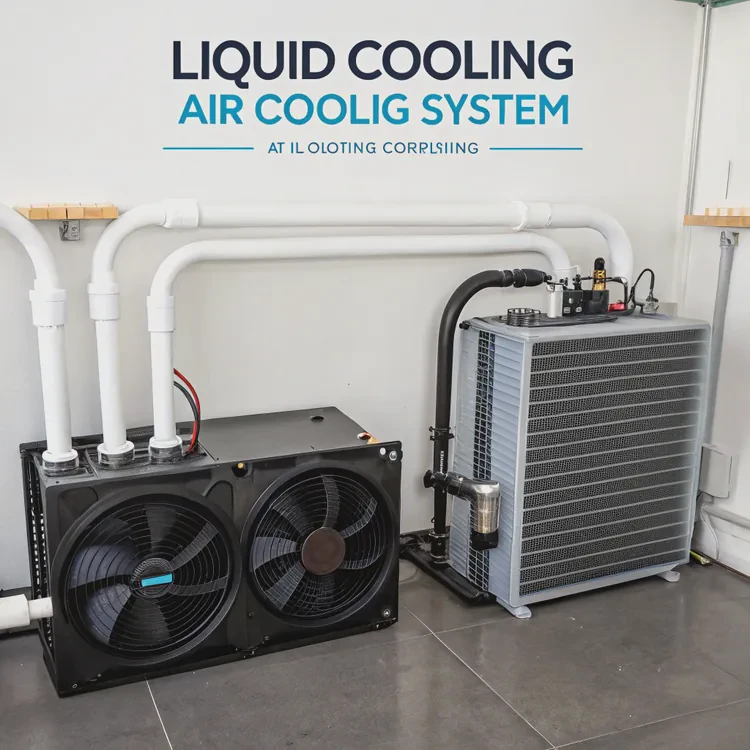
When I first started building custom PCs, I was surprised by how much more a liquid cooler cost compared to a traditional air cooler. It wasn’t just the hardware — it was the setup, maintenance, and time investment. But over the years, I’ve learned that price doesn’t tell the full story.
Liquid cooling is more expensive than air cooling due to its complex design, additional components, and higher maintenance, but the cost brings better performance, silence, and aesthetics.
Let’s explore what drives these costs, why people still choose liquid cooling, how to balance cost and performance, and how cooling technology is evolving in price and accessibility.
What factors affect cooling costs?
Cooling systems vary widely in price, from basic air coolers that cost less than dinner to custom liquid loops that can rival a small PC build. The difference comes down to materials, design complexity, and performance goals.
The main factors affecting cooling cost include type, components, material quality, installation complexity, and long-term maintenance.
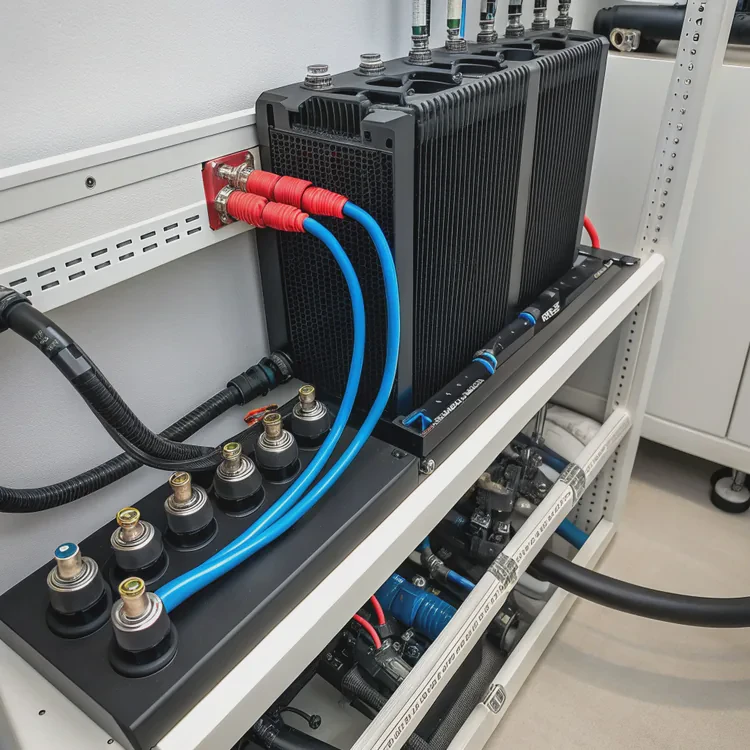
1. Type of cooling system
| Cooling Type | Typical Price Range | Description |
|---|---|---|
| Air Cooler | \(30–\)100 | Simple tower or dual-fan design, easy to install. |
| AIO (All-in-One) Liquid Cooler | \(100–\)250 | Pre-built sealed liquid loop for CPUs. |
| Custom Liquid Loop | \(300–\)1000+ | Fully modular system with separate pump, radiator, and reservoir. |
Air cooling is the most affordable, while custom loops are the most expensive due to the number of components and customization options.
2. Materials and components
Liquid coolers require more parts — and more materials:
- Radiator (aluminum or copper)
- Pump (mechanical and electrical)
- Water block (machined metal)
- Tubes and fittings
- Coolant
Each component adds cost, and higher-quality materials like copper, nickel, or braided tubing increase the price but improve performance and durability.
3. Installation complexity
Air coolers are straightforward — attach, tighten, and done. Liquid cooling, on the other hand, involves routing tubes, securing radiators, and checking pump connections. This complexity often means:
- Longer setup time
- Professional installation fees (optional)
- Higher maintenance effort
4. Maintenance and longevity
AIO systems are mostly maintenance-free, but custom loops need cleaning and coolant replacement every year or two. That adds ongoing cost in time and materials.
| Cost Factor | Air Cooler | AIO Cooler | Custom Loop |
|---|---|---|---|
| Initial Cost | Low | Medium | High |
| Installation Time | 15–30 mins | 30–60 mins | 2–4 hours |
| Maintenance | Minimal | Low | Moderate to High |
| Replacement Cycle | 5–10 years | 5–7 years | Component-dependent |
5. Aesthetic and customization features
Liquid coolers often include RGB lighting, transparent tubes, and premium finishes — none of which improve performance directly, but they add to the overall experience and visual appeal.
For people who value clean design or showpiece builds, the added cost often feels justified.
What are the benefits of paying more for liquid cooling?
The extra money spent on liquid cooling isn’t wasted. It delivers real gains in performance, reliability, and user experience — especially for high-end systems.
The benefits of paying more for liquid cooling include lower noise, better temperature control, increased overclocking potential, and a cleaner system layout.
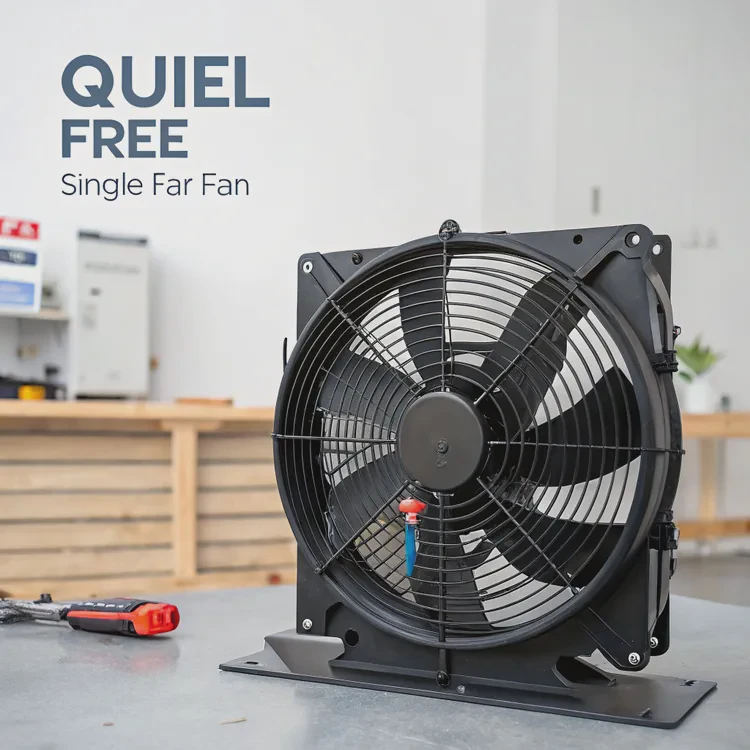
1. Improved thermal performance
Liquid coolers handle heat better because water transfers heat faster than air. The larger surface area of radiators and the efficiency of flowing coolant provide superior temperature control under heavy workloads.
| Cooling Type | Average Temperature Drop (Compared to Stock) | Notes |
|---|---|---|
| Air Cooler | 15–20°C | Moderate cooling capacity. |
| AIO Liquid Cooler | 25–30°C | Excellent for gaming or rendering. |
| Custom Loop | 35°C+ | Extreme cooling for overclocked CPUs/GPUs. |
In real use, liquid cooling can keep a CPU 10–20°C cooler than air — translating to higher sustained clock speeds and better performance.
2. Lower noise levels
Air coolers rely entirely on fans, while liquid systems spread heat over larger radiators. This means:
- Fans can spin slower.
- The pump produces a soft hum instead of a loud whine.
- Overall system noise drops significantly.
For people who record, stream, or work in quiet environments, this is a major benefit.
3. Aesthetic appeal and system organization
Liquid cooling systems offer a sleek, futuristic look. The radiator placement also clears space around the CPU socket, giving better access to memory slots and cable management.
4. Overclocking capability
For enthusiasts and professionals who push their CPUs or GPUs to higher voltages, liquid cooling maintains stability under extreme loads. It reduces the risk of thermal throttling, allowing hardware to sustain its full potential safely.
5. Component longevity
Stable, low temperatures reduce stress on electronic components, extending their life span. Investing in better cooling can indirectly protect the rest of your system from heat damage.
My experience
When I upgraded from a \(60 air cooler to a \)200 AIO liquid system, CPU temperatures dropped by nearly 20°C, and noise fell by half. I could overclock safely, and even during long rendering sessions, my fans never ramped up to full speed again.
How to balance cost and performance?
Balancing performance and cost is about understanding your system’s needs. Not everyone needs liquid cooling, and spending more doesn’t always mean better results if your hardware doesn’t run hot.
To balance cost and performance, match your cooler to your hardware’s heat output, usage type, and noise tolerance, instead of chasing the most expensive option.
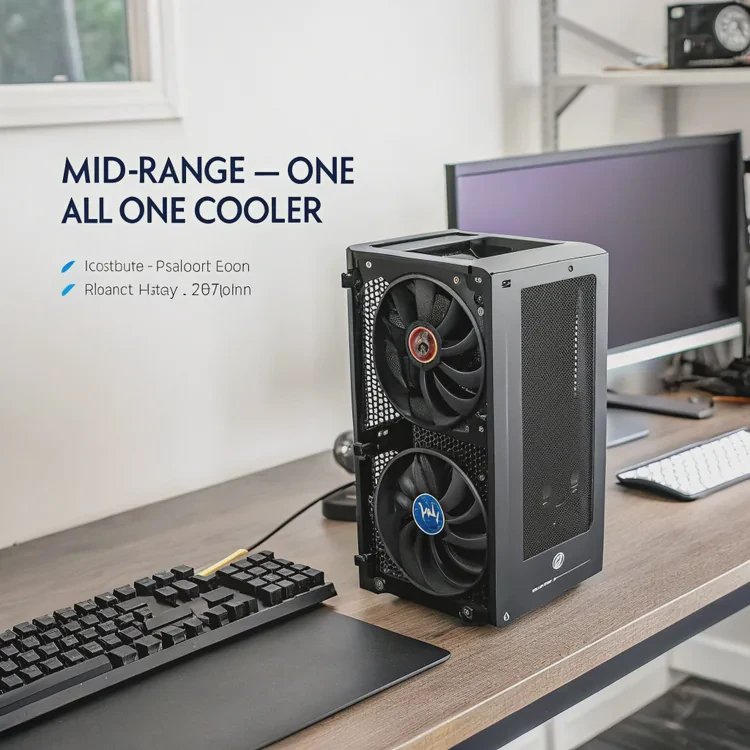
1. Match your cooler to your CPU/GPU
Check your processor’s TDP (Thermal Design Power) — it tells you how much heat your cooler must handle.
| TDP (Watts) | Recommended Cooling Type |
|---|---|
| 65–95W | Air cooler |
| 100–150W | Mid-range AIO |
| 150W+ | High-end AIO or custom loop |
If your CPU runs within 100W, a good air cooler is perfectly fine. Anything higher benefits from liquid cooling to avoid throttling.
2. Evaluate your usage
- Gaming/Everyday use: Mid-range AIO (240mm) offers a quiet, balanced solution.
- Content creation/3D rendering: Larger AIO or custom loop helps sustain heavy loads.
- Office tasks and browsing: Quality air cooling is sufficient and cost-effective.
3. Factor in maintenance
If you don’t like maintenance, stick with an AIO cooler. It delivers most of the benefits of liquid cooling without the hassle. Custom loops offer unmatched performance but require occasional draining, cleaning, and refilling.
4. Consider case compatibility
Before choosing a cooler, confirm radiator support in your case. Large radiators (280mm–360mm) offer better cooling but require space. Buying one that doesn’t fit adds hidden cost — a mistake I’ve made before.
5. Avoid overbuying
Many people buy oversized liquid coolers thinking “bigger is always better.” But if your CPU rarely runs above 60°C, you’ll get minimal benefit. Focus on efficiency, not excess.
Quick cost-performance summary
| Use Case | Recommended Cooling | Expected Cost | Notes |
|---|---|---|---|
| Office / Light Work | Air Cooler | \(30–\)70 | Quiet, simple, low heat. |
| Gaming | 240mm AIO | \(100–\)150 | Balanced cooling and silence. |
| Heavy Rendering / Overclocking | 360mm AIO | \(200–\)300 | Top-tier performance. |
| Showcase Build | Custom Loop | \(400–\)800+ | High-end performance and aesthetics. |
My advice
Spend according to need, not hype. A well-installed \(80 air cooler often outperforms a poorly set up \)250 liquid system. Efficiency and installation matter as much as hardware quality.
What are the pricing trends in cooling tech?
Cooling technology has advanced fast over the last decade. What used to be niche and expensive is now more affordable and widely available.
Modern pricing trends in cooling technology show falling costs for AIOs, rising interest in custom cooling, and growing adoption of sustainable, high-performance materials.
1. Affordable AIO coolers
Competition has pushed AIO prices down. A decade ago, a 240mm liquid cooler could cost over \(200. Now, efficient, quiet models start around **\)100–$130** without sacrificing performance.
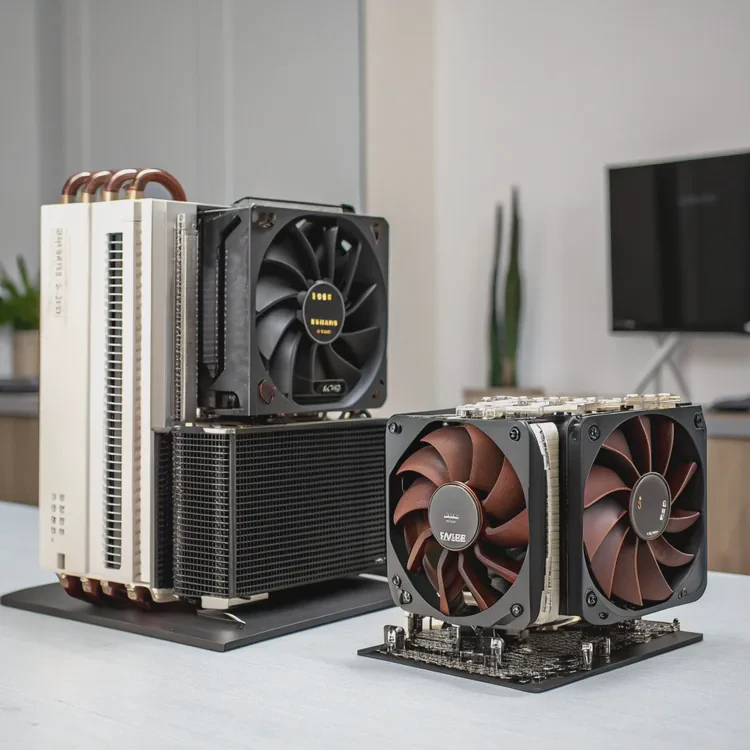
2. Premium air coolers closing the gap
Top-tier air coolers like Noctua NH-D15 or DeepCool Assassin IV now rival entry-level liquid coolers. They’re quieter, easier to install, and often last longer — offering great value for money.
3. Custom loop luxury market
Custom liquid cooling remains expensive, but it’s now viewed as a premium enthusiast hobby rather than a necessity. Prices are stable because components — like nickel-plated blocks and glass reservoirs — are crafted for visual appeal and performance.
4. Sustainable and advanced materials
Manufacturers are using recyclable aluminum, graphene-infused compounds, and biodegradable coolants to reduce environmental impact while maintaining efficiency. These materials currently cost more but are expected to become mainstream over the next few years.
5. Smart, AI-controlled cooling systems
Emerging products use AI algorithms to regulate pump and fan speeds in real time. This trend adds cost initially but saves energy and extends component life, offsetting expense over time.
Cooling cost trend summary
| Trend | Effect on Price | Description |
|---|---|---|
| Cheaper AIO Coolers | ↓ Lower | Increased competition and efficiency. |
| Premium Air Coolers | ↔ Stable | Competing directly with AIOs. |
| Custom Loops | ↔ High | Remain a niche luxury segment. |
| Eco Materials | ↑ Slight Increase | Higher material cost, long-term sustainability. |
| AI Cooling Control | ↑ Moderate | Smart features add short-term cost. |
Looking forward
As production scales and materials improve, we’ll likely see mid-range liquid cooling at air cooler prices. Intelligent, sustainable designs will also dominate, offering better performance at lower operational cost.
Conclusion
Liquid cooling costs more upfront because it involves more parts, complex design, and occasional maintenance. But for users who need top performance, silence, and visual refinement, the investment pays off.
With competition driving down prices and technology improving rapidly, liquid cooling is becoming more accessible than ever — offering power, efficiency, and elegance that justify its price for those who truly need it.
TAGS
Latest Articles

Volume discount levels for heat sink orders?
Buyers often ask when heat sink prices start to drop with volume. Many worry they’re overpaying for small orders. This guide explains how B2B volume pricing works for thermal components. Heat sink
21 Dec,2025
Heat sink long-term supply contract options?
Many buyers want stable pricing and reliable delivery for heat sinks. But without a clear contract, risks grow over time. This article explores how to secure better long-term supply deals. Long-term
21 Dec,2025
Tooling cost for new heat sink profiles?
Many engineers struggle to understand why tooling for custom heat sinks costs so much. They worry about budgeting and production timelines. This article breaks down the cost drivers behind tooling.
21 Dec,2025
Heat sink custom sample process steps?
Sometimes, starting a custom heat sink project feels overwhelming—too many steps, too many unknowns, and too many risks. You want a sample, but not endless delays. The process for requesting and
20 Dec,2025
Standard B2B terms for heat sink payments?
When buyers and sellers in B2B heat sink markets talk about payment, many don’t fully understand what’s standard. This can lead to delayed orders, miscommunication, and even lost business
20 Dec,2025
Heat sink pricing factors for large orders?
Heat sinks are vital for many systems. When prices rise, projects stall and budgets break. This problem can hit teams hard without warning. Large order heat sink pricing depends on many factors. You
20 Dec,2025Related Articles
- Does liquid cooling need thermal paste?
- Does stirring cool down liquid?
- Is liquid cooler better than air cooler?
- Does liquid cooler need thermal paste?
- Is liquid cooling better than air?
- How does liquid CPU cooler work?
- How to change water cooling liquid?
- Where to put liquid cooling radiator?
- Which EVs have liquid cooled batteries?
- Does the Ryzen 7 7800X3D need liquid cooling?
- How liquid CPU cooler works?
- Is CPU liquid cooling worth it?
Author
Dr. Emily Chen
Chief AI Researcher
Leading expert in thermal dynamics and AI optimization with over 15 years of experience in data center efficiency research.
Categories
Latest Products






Recommend Categories
- Liquid cooling plate Manufacturer
- Industrial Heat Sink Manufacturer
- Standard Heat Sink Manufacturer
- Aluminum Heat Sink Manufacturer
- Copper Heat Sink Manufacturer
- Anodized Heatsink Manufacturer
- Stamping heat sink Manufacturer
- Die Casting Heatsink Manufacturer
- Soldering heat sink Manufacturer
- CNC Parts Manufacturer
Latest Products
- Wholesale Aluminum Radiator
- Water Cooling Plate Kit
- Water Cooling Heat Sink
- Water Cooling Heat Sink Kit
- Stainless Steel Water Distributor
- Server Water Cooling Plate Kit
- Server Liquid Cooling System
- Server Aluminum Cooling Kit
- S19 Full Cover Cooling Plate
- S19 Cooling Plate Kit
- S19 Aluminum Cooling Plate
Contact Expert
Have questions about this article? Reach out to our experts directly.