What liquid is used in a liquid cooling system?

When heat builds up inside high-power electronics, a liquid cooling system becomes essential. But not all liquids are created equal, and choosing the right one changes everything.
Liquid cooling systems usually use water-based or engineered coolants to transfer heat efficiently and keep components within safe temperatures.
Selecting the right liquid can decide whether a system performs reliably for years or fails in months.
What types of liquid are used in cooling systems?
Heat builds up fast in devices like CPUs, inverters, or EV batteries. Without the right coolant, these systems can overheat and lose performance.
Common coolants include deionized water, glycol-water mixtures, dielectric oils, and advanced engineered fluids, each with unique properties and performance traits.
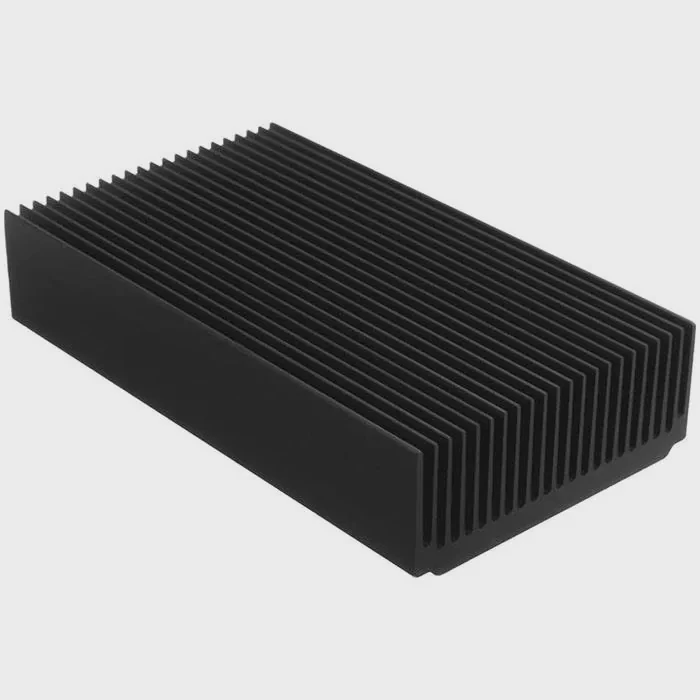
Main Types of Coolants
| Type of Liquid | Key Properties | Common Applications |
|---|---|---|
| Deionized Water | High thermal conductivity, low cost | General electronics, CPUs |
| Glycol-Water Mix | Anti-freeze, corrosion protection | Automotive, outdoor systems |
| Dielectric Oil | Non-conductive, stable under high voltage | EV batteries, power electronics |
| Engineered Fluids | Custom thermal and electrical properties | Aerospace, high-end semiconductors |
How Each Liquid Works
Water has excellent heat transfer capacity but causes corrosion if untreated. Glycol-water mixtures improve freeze protection but reduce thermal performance. Dielectric oils are safer for systems that cannot risk electrical conduction. Engineered coolants, such as 3M Novec or Fluorinert, offer superior safety and stability but at a higher cost.
Balancing Performance and Safety
In practice, I often start testing with deionized water for its cost-effectiveness. Then, I move to glycol or dielectric oil depending on application needs. For mission-critical systems, engineered coolants remain the top choice despite their higher price.
What are the pros and cons of each coolant?
Many engineers face the challenge of balancing performance, cost, and reliability. Each coolant type has benefits but also trade-offs that must be weighed carefully.
Water-based coolants offer the best heat transfer but need maintenance, while engineered fluids deliver reliability with higher cost.
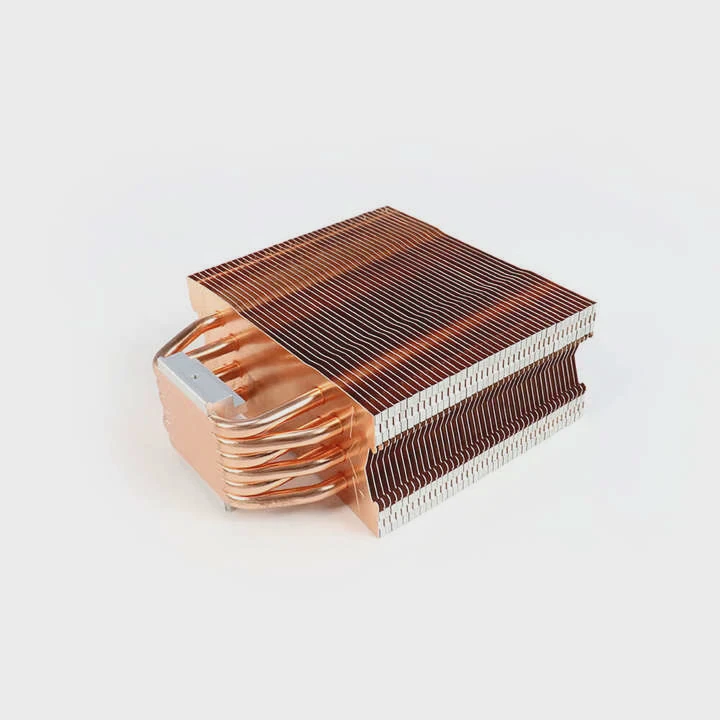
Comparison of Pros and Cons
| Coolant Type | Pros | Cons |
|---|---|---|
| Deionized Water | High thermal efficiency, easy to handle | Corrosion risk, conductivity over time |
| Glycol-Water Mix | Anti-freeze, corrosion inhibitors | Lower heat capacity, viscosity at low temp |
| Dielectric Oil | Electrically safe, durable | Lower heat transfer, higher cost |
| Engineered Fluid | Non-flammable, stable, clean | Very expensive, complex disposal |
Understanding the Real-World Impact
When we use deionized water in test benches, we often see the best cooling performance. However, after several months, mineral buildup and corrosion begin unless inhibitors are added. For outdoor or cold environments, glycol mixtures are essential to prevent freezing and pipe damage.
In contrast, when working with high-voltage modules, I have used dielectric oils like mineral oil or synthetic esters to ensure safety. They prevent short circuits even under 800V systems. For aerospace-grade designs, engineered fluids are irreplaceable because they resist evaporation, are non-flammable, and work in vacuum environments.
How to Make the Right Trade-Off
The right decision depends on environment, power density, and safety requirements. Engineers must consider not only thermal conductivity but also long-term stability, electrical insulation, and environmental safety.
How to select the best liquid for performance?
Choosing the “best” liquid depends on more than thermal conductivity. Every project has different goals—efficiency, cost, maintenance, or lifespan.
To select the best coolant, analyze system conditions such as temperature range, material compatibility, electrical safety, and cost-performance balance.
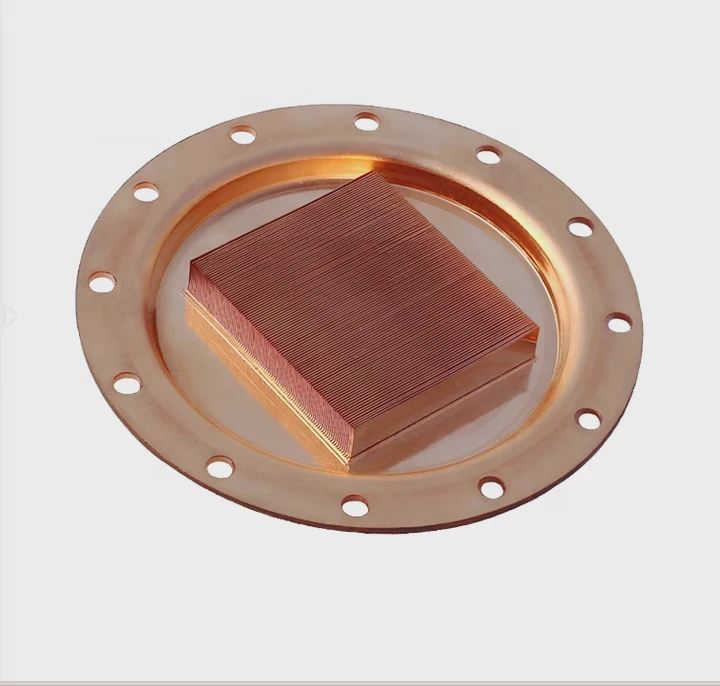
Step-by-Step Selection Guide
- Define operating conditions
Determine maximum temperature, pressure, and ambient range.
- Check material compatibility
Ensure coolant does not react with aluminum, copper, or seals.
- Assess electrical safety
For high-voltage or power electronics, prefer dielectric fluids.
- Consider maintenance needs
Water-based coolants may need periodic replacement.
- Balance cost vs. performance
Engineered fluids cost more but often last longer.
Case Example: EV Battery Cooling
For an electric vehicle’s battery system, the ideal coolant must be non-conductive, thermally stable, and resistant to aging. In this case, a dielectric oil or engineered fluid works best. However, for indoor data servers or industrial controllers, water-glycol mixtures remain cost-effective and easy to maintain.
Key Decision Factors Table
| Factor | High Priority Use Case | Recommended Coolant |
|---|---|---|
| Maximum heat transfer | CPUs, data centers | Deionized Water |
| Freeze protection | Outdoor equipment | Glycol-Water Mix |
| Electrical insulation | EV batteries, power modules | Dielectric Oil |
| Long lifespan | Aerospace, medical systems | Engineered Fluids |
Selecting a coolant is never a one-size-fits-all process. It is about aligning material science with system engineering and budget strategy.
What are the advancements in coolant technology?
Cooling technology is evolving fast. Traditional water-based systems still dominate, but new innovations are transforming how heat is managed in compact, high-density devices.
Recent advancements include nanofluids, phase-change coolants, and dielectric two-phase systems that improve thermal transfer efficiency and reliability.
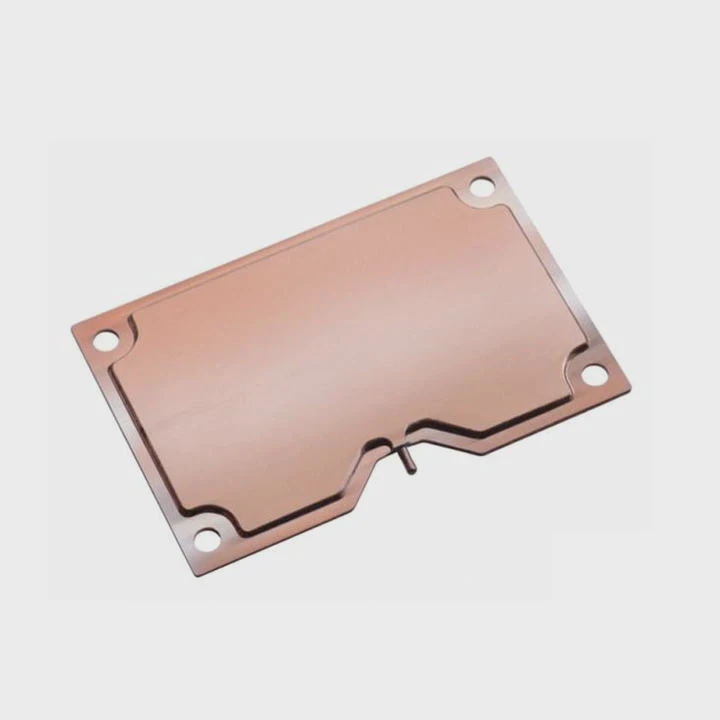
Emerging Trends in Liquid Cooling
- Nanofluids
These are liquids with suspended nanoparticles, such as aluminum oxide or graphene, to increase thermal conductivity by 20–50%.
- Phase-Change Coolants
They absorb heat during evaporation and release it during condensation, ideal for maintaining uniform temperature.
- Dielectric Two-Phase Fluids
Used in immersion cooling, they combine safety and efficiency without conductivity issues.
- Eco-friendly Coolants
New formulations reduce greenhouse impact and improve recyclability.
Real-World Adoption
Large data centers now use immersion cooling systems filled with dielectric fluids. These systems reduce fan noise, cut energy use, and extend hardware lifespan. Similarly, aerospace applications are adopting lightweight, non-flammable coolants that function even under low pressure.
Challenges Ahead
Despite improvements, high cost and disposal complexity remain issues for advanced fluids. Researchers are now developing bio-based and recyclable liquids to overcome these challenges.
Why It Matters for the Future
As power density keeps rising in electronics and renewable energy systems, efficient thermal management becomes critical. The future coolant will likely be smart—self-monitoring, adaptive, and environmentally safe.
Conclusion
Liquid cooling relies on the right fluid. The choice affects efficiency, safety, and system lifespan. As technology advances, engineered and eco-friendly coolants will shape the next generation of thermal management systems.
TAGS
Latest Articles

Volume discount levels for heat sink orders?
Buyers often ask when heat sink prices start to drop with volume. Many worry they’re overpaying for small orders. This guide explains how B2B volume pricing works for thermal components. Heat sink
21 Dec,2025
Heat sink long-term supply contract options?
Many buyers want stable pricing and reliable delivery for heat sinks. But without a clear contract, risks grow over time. This article explores how to secure better long-term supply deals. Long-term
21 Dec,2025
Tooling cost for new heat sink profiles?
Many engineers struggle to understand why tooling for custom heat sinks costs so much. They worry about budgeting and production timelines. This article breaks down the cost drivers behind tooling.
21 Dec,2025
Heat sink custom sample process steps?
Sometimes, starting a custom heat sink project feels overwhelming—too many steps, too many unknowns, and too many risks. You want a sample, but not endless delays. The process for requesting and
20 Dec,2025
Standard B2B terms for heat sink payments?
When buyers and sellers in B2B heat sink markets talk about payment, many don’t fully understand what’s standard. This can lead to delayed orders, miscommunication, and even lost business
20 Dec,2025
Heat sink pricing factors for large orders?
Heat sinks are vital for many systems. When prices rise, projects stall and budgets break. This problem can hit teams hard without warning. Large order heat sink pricing depends on many factors. You
20 Dec,2025Related Articles
- What is liquid CPU cooler?
- Should liquid cooler fans be intake or exhaust?
- What is the best liquid cooler?
- Is Liquid CPU Cooling Better?
- Why liquid cooling?
- When should you replace liquid cooling?
- How to Maintain Liquid CPU Cooler?
- Is PC Liquid Cooling Worth It?
- Which is better, air cooling or liquid cooling?
- Is liquid or air cooling better?
- Is liquid cooling better for CPU?
- How to change liquid cooling?
Author
Dr. Emily Chen
Chief AI Researcher
Leading expert in thermal dynamics and AI optimization with over 15 years of experience in data center efficiency research.
Categories
Latest Products






Recommend Categories
- Liquid cooling plate Manufacturer
- Industrial Heat Sink Manufacturer
- Standard Heat Sink Manufacturer
- Aluminum Heat Sink Manufacturer
- Copper Heat Sink Manufacturer
- Anodized Heatsink Manufacturer
- Stamping heat sink Manufacturer
- Die Casting Heatsink Manufacturer
- Soldering heat sink Manufacturer
- CNC Parts Manufacturer
Latest Products
- Wholesale Aluminum Radiator
- Water Cooling Plate Kit
- Water Cooling Heat Sink
- Water Cooling Heat Sink Kit
- Stainless Steel Water Distributor
- Server Water Cooling Plate Kit
- Server Liquid Cooling System
- Server Aluminum Cooling Kit
- S19 Full Cover Cooling Plate
- S19 Cooling Plate Kit
- S19 Aluminum Cooling Plate
Contact Expert
Have questions about this article? Reach out to our experts directly.